Khaborwala Online Desk
Published: 08 Feb 2026, 09:56 am
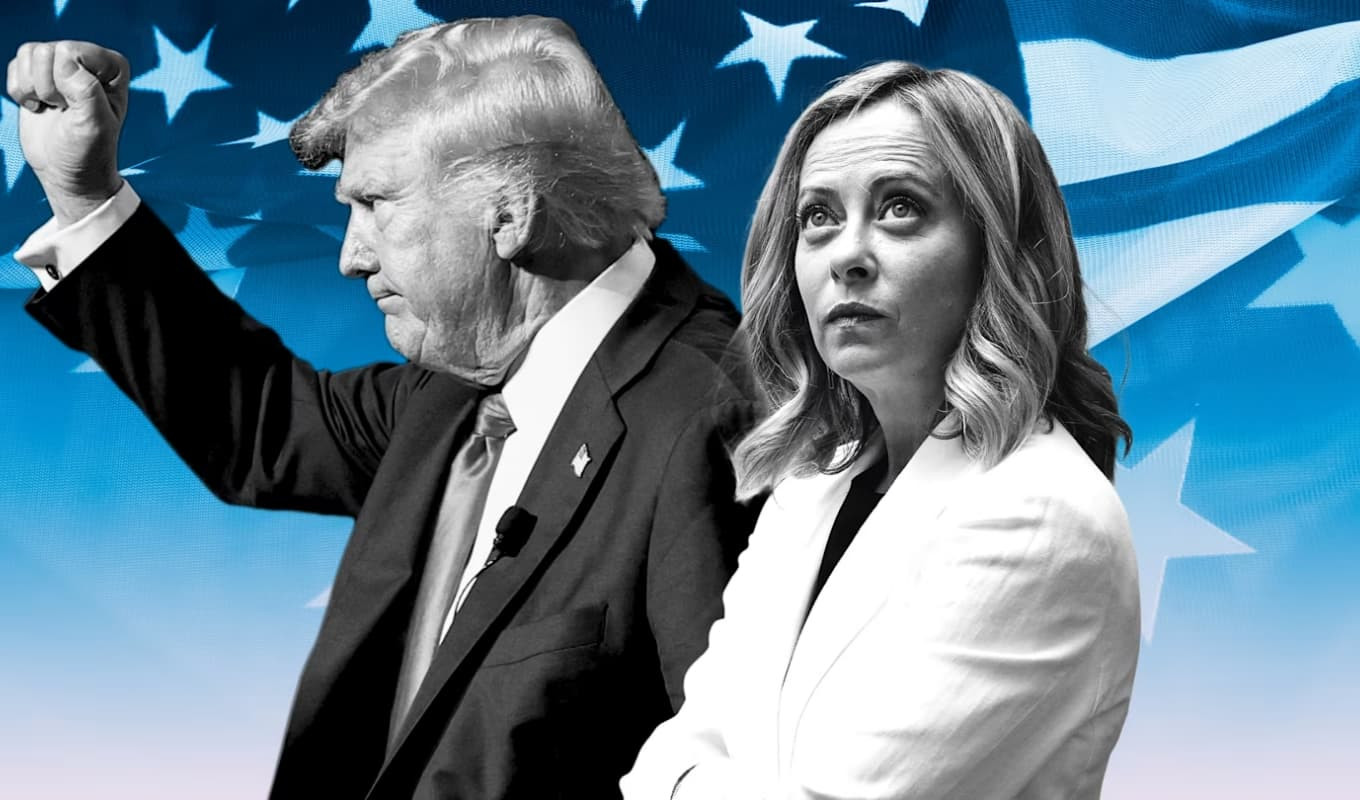
Italy has formally announced that it will not join the so-called “Peace Council” initiated by United States President Donald Trump, an initiative intended to oversee a post-war interim administration in Gaza. Despite acknowledging the political intent behind the proposal, Rome has made clear that the council’s structure and concentration of authority are incompatible with Italy’s constitutional framework, leaving the government legally unable to participate.
Speaking to leading Italian media, Foreign Minister Antonio Tajani explained that Article 11 of the Italian Constitution permits participation in international organisations only when equality among member states is guaranteed. According to Tajani, the founding charter of Trump’s Peace Council designates the US president as chair with veto power and grants him exclusive authority to provide final interpretations of all decisions. Such provisions, he argued, undermine the principle of equal rights and shared sovereignty among members, rendering Italian participation unconstitutional.
Tajani was careful to stress that Italy’s decision should not be interpreted as opposition to peace efforts in the Middle East. On the contrary, he reaffirmed Italy’s readiness to engage constructively in any credible initiative that complies with international law and established multilateral norms. Rome, he said, remains willing to contribute in practical ways, including police training, civilian protection, and humanitarian support aimed at stabilising Gaza once hostilities subside.
Italy’s stance places it firmly alongside several other major European powers that have declined to take part in the initiative. France, Germany, the United Kingdom and Spain have all adopted similar positions, citing concerns over governance, legitimacy and the bypassing of established multilateral institutions. This collective reluctance means that much of the European Union is effectively absent from the council, raising questions about its international credibility.
The decision is particularly notable given the reportedly cordial political relationship between President Trump and Italian Prime Minister Giorgia Meloni. Analysts suggest that Rome’s refusal underscores the limits of political affinity when constitutional and legal constraints are at stake. In this case, domestic law has proved decisive, outweighing diplomatic considerations.
Observers and policy analysts increasingly view the Peace Council as an attempt to create an alternative platform that could rival, or even sideline, the United Nations in conflict mediation and post-conflict governance. This perception has fuelled unease within diplomatic circles, where there is concern that such parallel mechanisms may weaken the existing multilateral order rather than reinforce it.
The council was formally launched in January 2026 on the margins of the World Economic Forum in Davos. To date, around 20 leaders, including President Trump himself, have signed its charter. Invitations were reportedly extended to nearly 60 countries, yet participation from the European Union remains limited. The first meeting is expected to take place in Washington in February 2026, though its agenda and decision-making procedures remain unclear.
Key Facts on the Proposed Peace Council
| Aspect | Details |
|---|---|
| Formal launch | January 2026, Davos |
| Chair | Donald Trump |
| Charter signatories | 20 countries |
| European states declining | France, Germany, UK, Spain, Italy |
| Expected first meeting | February 2026, Washington |
| Stated Gaza objective | Ceasefire support and interim administration oversight |
Taken together, Italy’s refusal reinforces the broader debate surrounding the Peace Council’s legitimacy, governance model and effectiveness. With Europe’s major powers standing aside, doubts persist over whether the initiative can play a meaningful and widely accepted role in resolving the Gaza conflict and supporting long-term regional stability.

> Chittagong Port Closed Again Due to Strike
> Bangladesh Advances Sweeping Insurance Sector Reforms
> Bulbul is also travelling to Dhaka to attend the ICC-PCB meeting.
> "Typhoon in the Philippines kills 12, affects over 200,000 people."
> Cash for Crowds: Rajshahi Election Marches
> Messi scores 2026’s first goal against Barça.
> Zurich Eyes £8bn Beazley Deal Amid Global Shifts
> Karnataka CID Busts Massive Cyber Fraud Network
> CapBridge and AIA Forge Strategic Wealth Legacy Partnership
> Sonali Life Secures Sixth International Insurance Award
> China’s Ageing Crisis Exposed by Hospital Scams
> Bangladesh and Grenada Formalise Historic Diplomatic Ties

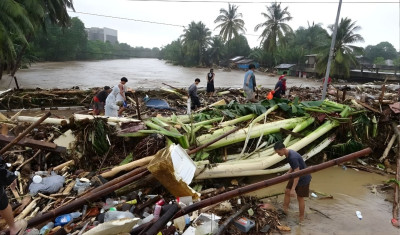
The Philippines is reeling from the impact of its second most powerful tropical storm of 2026, Basya...

Lionel Messi’s bond with the name “Barcelona” is legendary, woven with countless memories and deep e...
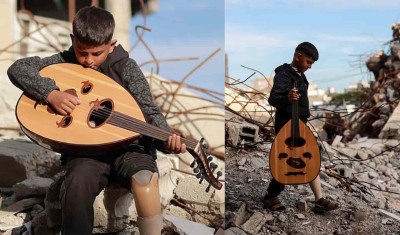
Amid the rubble-strewn streets of Gaza, twelve-year-old Abdur Rahman Al-Nashash clings to life throu...
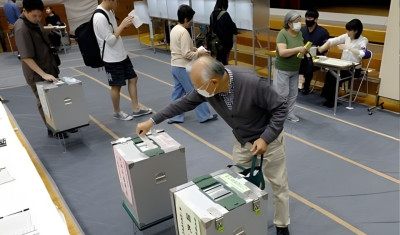
Voting has commenced in Japan’s national election, with polls opening today, Sunday, 8 February, at...

Afghan opening batsman Rahmanullah Gurbaz has unexpectedly withdrawn from the 11th edition of the Pa...
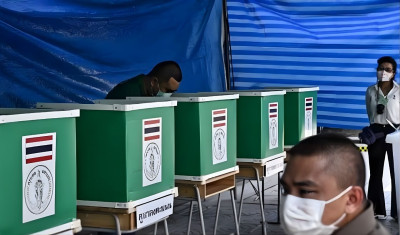
Thailand is holding a pivotal parliamentary election today, Sunday, 8 February, alongside a nationwi...

Manchester United continued their impressive resurgence under the stewardship of Michael Carrick, se...
The International Cricket Council (ICC) has launched an intensive diplomatic offensive to ensure tha...

In what is being described as one of the most coordinated aerial assaults of the current winter seas...
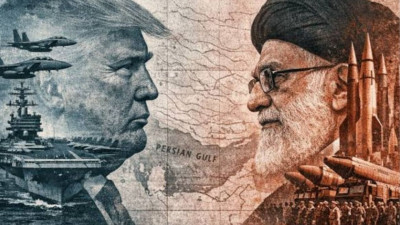
While the corridors of Muscat, Oman, hum with the hushed tones of high-stakes diplomacy, a more omin...

Born from the harrowing memories of post-war famine, a dream has blossomed into what is now official...

For the family of Ukrainian soldier Nazar Dalitskyi, the grieving process had concluded long ago. Co...


Availabe for iphone & ipads

Available in google play
 বাংলা
বাংলা