Sunday, 5th April 2026

Khabor Wala Desk
Published: 29th January 2026, 3:02 AM
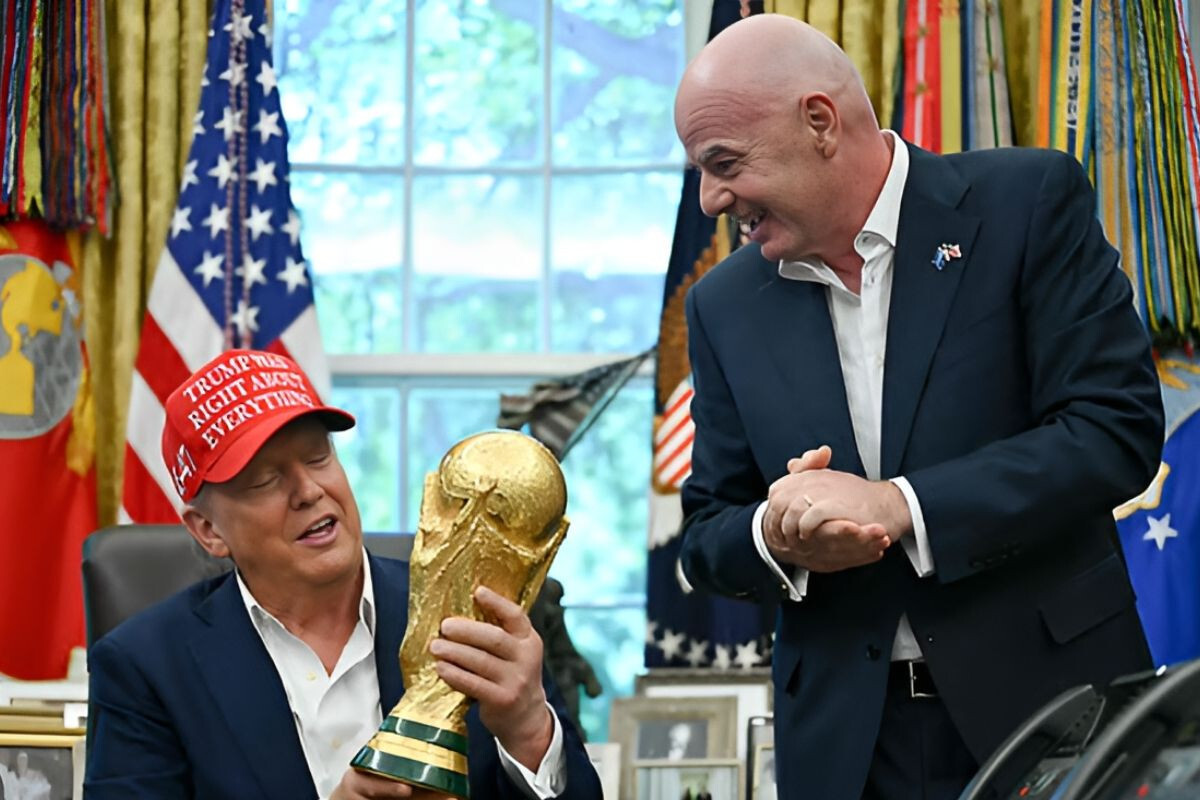
As the United States grapples with mounting political turmoil, speculation over a potential boycott of the 2026 FIFA World Cup—set to be jointly hosted by the United States, Canada, and Mexico—has begun to surface. The debate is fueled by multiple controversies surrounding President Donald Trump, including threats to seize Greenland and the shooting of two demonstrators in Minneapolis by federal agents.
Yet, while calls for a boycott are increasingly vocal in media circles and among football supporters, their real-world impact remains limited. The discussion largely persists among critics of Trump’s policies and football enthusiasts; it has yet to resonate significantly with those who wield the power to enforce such a boycott. Senior football officials and world leaders—whose influence could determine the outcome—have so far largely refrained from taking a public stance. Nonetheless, given Trump’s unpredictable nature, any new geopolitical controversy could amplify the calls for a boycott.
Rumours of a boycott have circulated since the first year of Trump’s second term, driven by dissatisfaction with his immigration policies and perceived anti-democratic measures. His insistence on acquiring Greenland, including threats of military action and punitive tariffs on European nations, has further intensified concerns. Critics argue that Trump views the World Cup as a platform to bolster his personal image, making the tournament a potential target for political protest.
| Country/Group | Position |
|---|---|
| Germany | Oke Göttlich (St. Pauli president) supports discussion; Bernd Neuendorf (DFB president) dismisses it as minor and personal |
| France | Sports Minister Marina Ferrari & FFF president Philippe Diallo rule out boycott |
| England & Scotland | No significant discussion |
| Spain | No practical debate according to federation sources |
| Austria | Federation president advocates separating politics and sport |
While a few European football administrators and political analysts have suggested that boycotting the tournament merits serious consideration, leading federations in Germany and France have swiftly rejected such proposals. England, Scotland, Spain, and Austria also show little inclination to politicise their teams’ participation.
A full-scale boycott would require coordinated action from multiple governments. Players, federations, and commercial stakeholders are generally eager to participate, meaning only influential political leaders could organise a meaningful withdrawal. Historical precedent exists: the 1980 Moscow Olympics saw nearly 60 countries boycott in protest of the Soviet invasion of Afghanistan. Experts suggest a similar strategy would necessitate leadership from NATO countries participating in the World Cup.
Even if national teams compete, some supporter groups have opted for protest. For instance, England’s LGBTQ+ fan group ‘Three Lions Pride’ has vowed to boycott attending matches, citing concerns over civil liberties in the U.S. Former FIFA president Sepp Blatter has also suggested fans might consider watching the tournament remotely.
Currently, the likelihood of a 2026 World Cup boycott remains minimal. Trump has stepped back from Greenland tensions and signalled willingness to negotiate with NATO allies. Yet his unpredictability means the situation could change rapidly. Should he provoke a major international incident, European nations might view a coordinated boycott as a last-resort political instrument. Until then, the tournament appears set to proceed as planned, though under the shadow of global scrutiny.


Comments