Sunday, 5th April 2026

Khabor Wala Desk
Published: 2nd June 2025, 3:06 PM
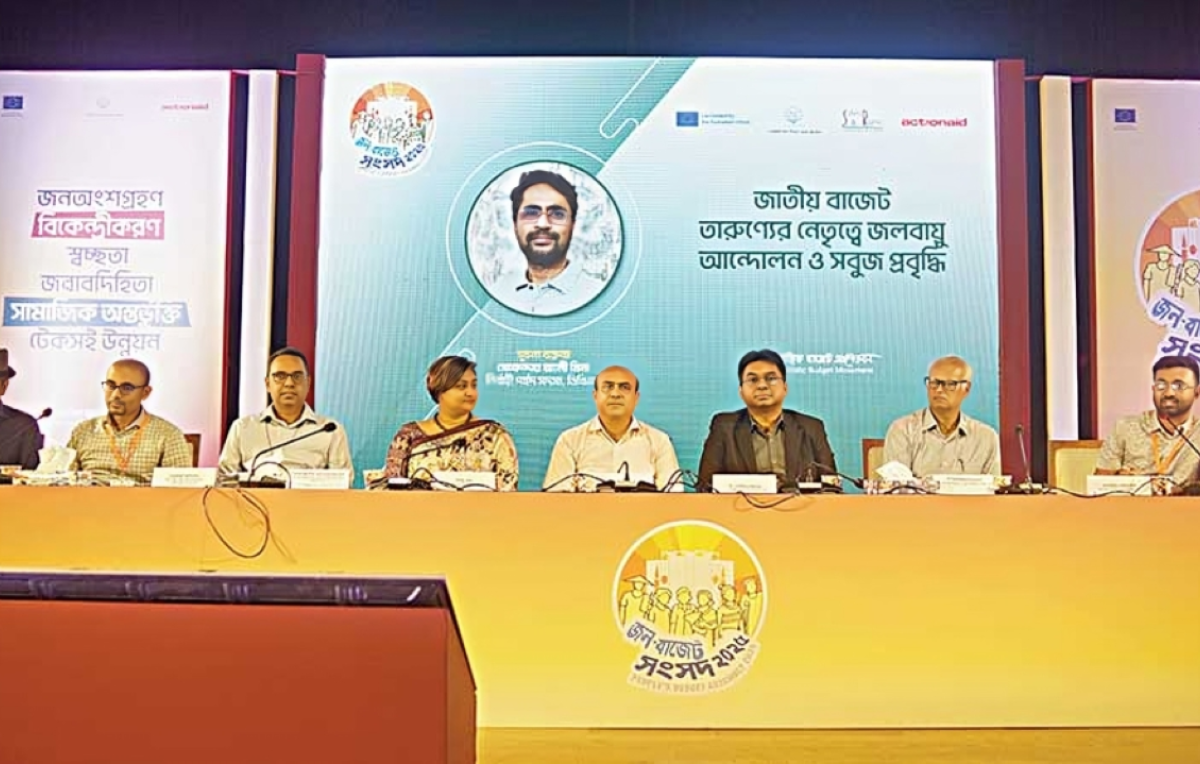
Despite comprising nearly 30% of Bangladesh’s population, young people remain largely excluded from the nation’s development agenda. A recent participatory study by the Democratic Budget Movement (DBM), supported by ActionAid Bangladesh and the European Union’s ‘Susil’ project, reveals that 60% of national projects have no direct youth involvement. The findings were presented at the third session of the ‘DBM People’s Budget Parliament 2025’ held at the Liberation War Museum auditorium in Dhaka.
Key Findings
Budget Allocation Snapshot (FY 2024–25)
| Ministry/Division | Total Budget (in BDT crore) | Youth-Relevant Allocation (%) |
| Ministry of Youth and Sports | 2,212 | Not specified |
| Labour and Employment | Not specified | Not specified |
| Education | Not specified | Not specified |
| Technology | Not specified | Not specified |
| Social Welfare | Not specified | Not specified |
| Women and Children Affairs | Not specified | Not specified |
*Note: While specific allocations exist, the absence of a cohesive framework hampers effective youth engagement.*
Expert Opinions
Professor Dr. Selim Raihan, Executive Director of the South Asian Network on Economic Modeling (SANEM), stated:
“For years, we’ve highlighted the lack of youth participation in the budget. Despite repeated presentations of similar data by DBM and other organisations, the government remains unresponsive. Political parties must be held accountable to ensure youth are not sidelined.”
Amanur Rahman, Vice-Chair of DBM, noted:
“Youth participation in budget planning is absent, leading to a disconnect between their real challenges and budget policies. Projects related to youth development are scattered across various ministries without central coordination, causing redundancy and neglect of critical sectors.”
Structural Challenges
Recommendations
The study underscores a significant gap between the youth’s potential and their actual involvement in national development projects. Addressing these issues requires concerted efforts to create inclusive policies, ensure equitable resource distribution, and foster active youth participation in the nation’s growth trajectory.

Comments