In a significant escalation of tensions over international climate policy, the United States has issued a warning of potential sanctions against countries that choose to support the proposed global carbon tax on shipping emissions, a measure championed by the European Union and small island states vulnerable to rising sea levels.
According to diplomatic sources, Washington has privately communicated to several governments that any endorsement of the International Maritime Organization (IMO) proposal could be interpreted as an “unfriendly economic act” against US interests. The warning has sparked widespread concern among climate advocates and trade officials alike.
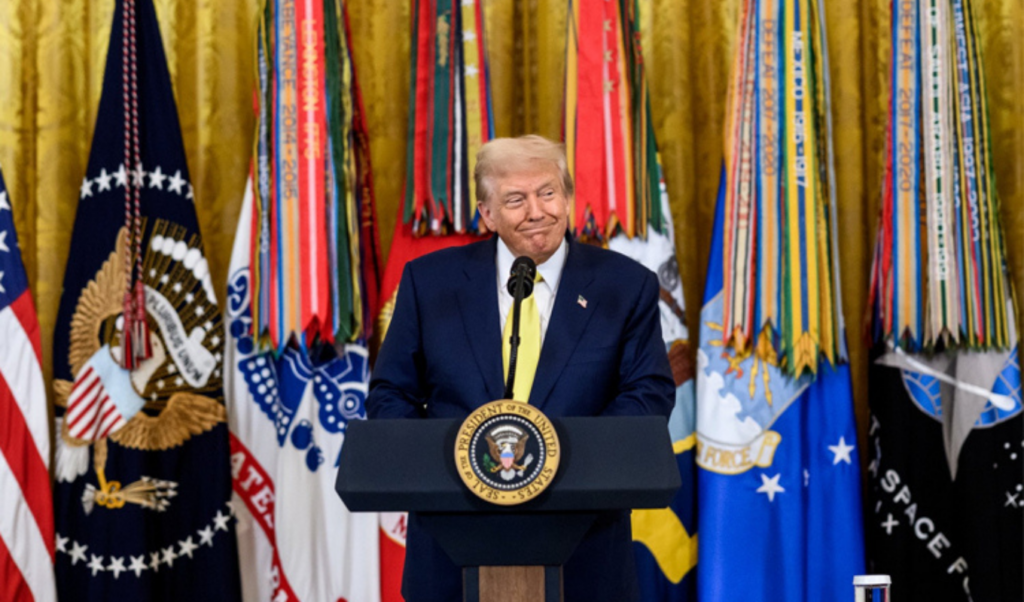
“We will not stand by while other nations impose measures that undermine global trade and penalise American economic interests,”
— Senior US State Department Official, speaking on condition of anonymity.
The proposed global carbon levy aims to reduce greenhouse gas emissions from the shipping industry — one of the largest yet least regulated polluters. The revenue generated would fund climate adaptation projects in developing and island nations most affected by global warming.
| Proposal Summary | Details |
| Policy Type | Global carbon tax on maritime shipping |
| Proposed By | European Union, Pacific Island Nations, African Climate Bloc |
| Objective | Reduce CO₂ emissions, finance climate resilience in developing nations |
| Opponents | United States, China, Russia |
| Estimated Revenue | Over $100 billion annually by 2030 |
The initiative was tabled ahead of the 2025 IMO Climate Summit in London, where negotiations on global shipping emissions are set to intensify.
The Biden administration has argued that such a tax could disrupt international supply chains, inflate consumer prices, and disproportionately affect developing economies reliant on trade. However, critics suggest Washington’s true motive lies in protecting its own shipping and fossil fuel interests.
“The US position appears less about protecting global trade and more about defending domestic industrial lobbies,”
said Elena Marchand, senior analyst at the European Climate Forum.
American officials have reportedly lobbied key trading partners — including Japan, South Korea, and Brazil — to oppose the measure during upcoming talks, warning that compliance could result in “trade repercussions” or restrictions on access to US markets.
The US threat has drawn sharp criticism from environmental advocates and European policymakers, who accuse Washington of undermining global climate cooperation.
| Actor / Region | Response to US Threat |
| European Union | Condemned the US stance as “hostile to global decarbonisation efforts”. |
| Pacific Island Nations | Said the warning was “morally indefensible” given their existential climate risks. |
| China and India | Oppose the tax on trade grounds but welcomed the US position as a balancing force against EU influence. |
| United Nations Climate Secretariat | Called for dialogue, warning that “politicising carbon pricing” could derail global emission goals. |
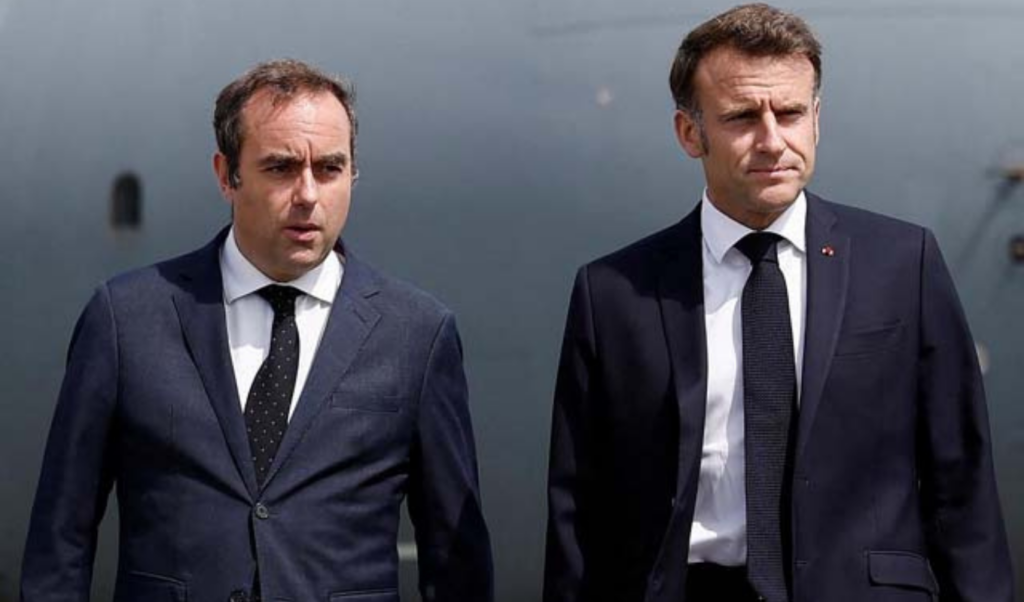
French President Emmanuel Macron, a key supporter of the initiative, reiterated his backing during a recent address in Paris: “Those who profit most from global trade must bear their share of responsibility for its environmental cost.”
Analysts predict that if implemented, the carbon levy could raise global freight costs by 8–12%, though supporters argue this would be offset by green transition benefits and technological innovation.
| Economic Impact Estimate (by 2030) | Projected Outcome |
| Global Freight Costs | +8–12% |
| Annual Tax Revenue | $80–100 billion |
| Funds for Developing Nations | $50 billion earmarked for climate adaptation |
| Reduction in Global Shipping Emissions | Up to 30% within a decade |
The International Chamber of Shipping (ICS) remains divided, with European and Asian members showing cautious support while American carriers oppose any binding levy.
The IMO Summit, scheduled for December 2025, is now shaping up to be a test of geopolitical will. The United States’ threat of sanctions has already prompted several countries to reconsider their positions, potentially fracturing what had been growing global consensus around climate accountability for the shipping sector.
Meanwhile, environmental campaigners warn that Washington’s stance risks isolating the US diplomatically just months before the UN Climate Conference (COP31) in Brazil.
“If the United States turns sanctions into a climate weapon, it will lose moral credibility as a leader in global decarbonisation,”
warned Greta Holst, director of Climate Watch International.
As debates continue, one question looms large:
Will the world’s largest economies prioritise trade interests over the planet’s survival?
The coming months are likely to determine whether the shipping carbon tax becomes a landmark step in global climate reform — or another casualty of superpower rivalry.