Friday, 21st August 2026

Khabor Wala Desk
Published: 21st November 2025, 5:35 AM
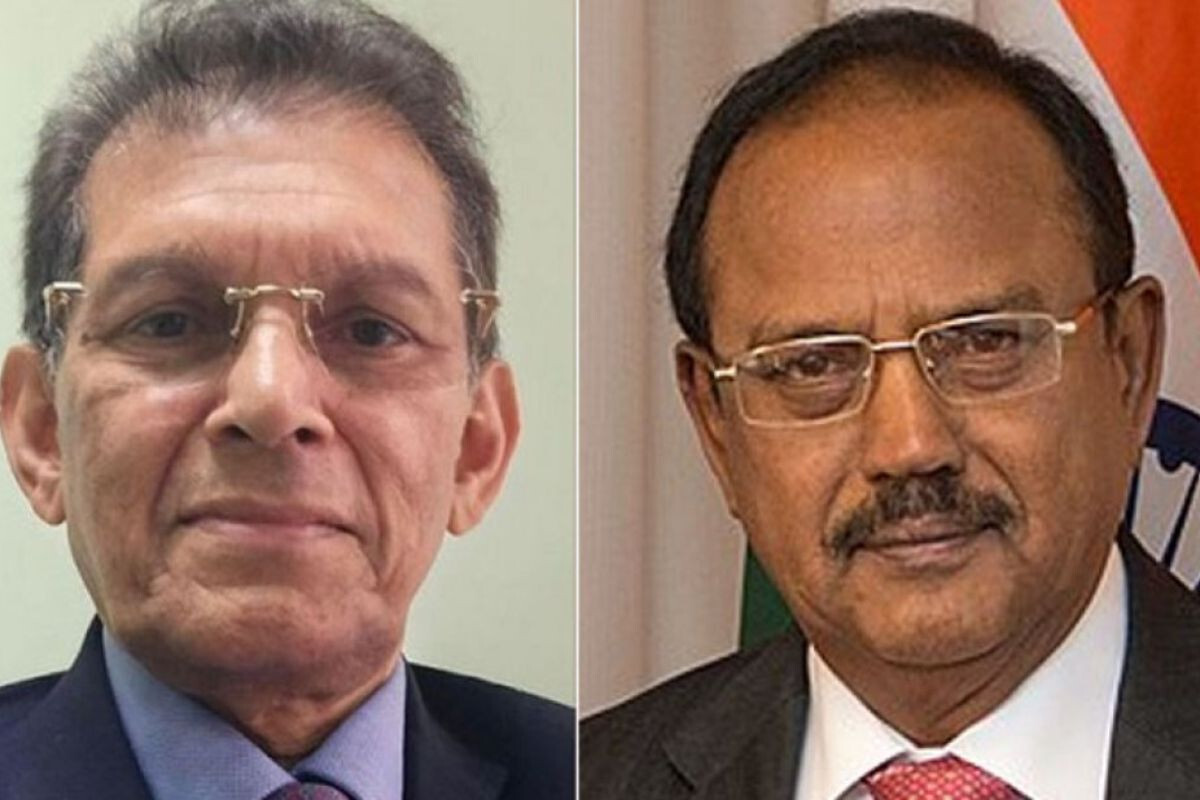
On Wednesday and Thursday (19 and 20 November), India’s National Security Adviser Ajit Doval and Bangladesh’s National Security Adviser Dr Khalilur Rahman met in Delhi for consecutive two-day discussions. On the first day, their meeting was a bilateral private discussion, while on the second day they participated in the Colombo Security Conclave (CSC) stage, hosted by India.
This was the first formal bilateral dialogue between India and Bangladesh in Delhi in the past year. Since 5 August last year, no high-level representative from the Bangladesh government had visited India, and India had decided not to engage politically with Bangladesh’s interim government.
However, a series of recent events has changed the situation. India believes that certain recent developments in Bangladesh could have security implications for India. In addition, the election date is approaching, presenting a major challenge for the interim government. India also has a clear position on this election, which conflicts with the Bangladesh government’s statement. The presence of former Prime Minister Sheikh Hasina in India also remains a factor.
Recognising the need to address these issues through direct dialogue, India invited Bangladesh to the Colombo Security Conclave. Bangladesh accepted the invitation, recognising the need to initiate discussions from their side as well.
Sources indicate that the overall atmosphere and outcome of the discussions were very positive. A senior Indian government source stated that while it would be unrealistic to expect all discomforts or disputes to be fully resolved in the first meeting, the so-called ‘breaking the ice’ process has been effectively achieved.
India also conveyed that full engagement with Bangladesh is only possible with an elected democratic government. Ajit Doval successfully communicated this principle to Dr Khalilur Rahman. Meanwhile, Bangladeshi sources stated that Khalilur Rahman highlighted India’s significant position and the respect Bangladesh’s government and people have for it.
Indian concerns over anti-India activities and security matters were also raised. Bangladesh assured that it would not engage in actions contrary to India’s interests.
Election positions were also discussed. Bangladesh stated that it is committed to holding the national election successfully in February as scheduled, with no grounds for doubt. India has expressed its desire for an inclusive election, meaning the Awami League should have the opportunity to contest. Bangladesh explained why this is not feasible in the current political context. India provided assurances that if the election is largely free and fair, it is prepared to engage with the elected government.
The issue of Sheikh Hasina’s trial and death sentence also featured in the talks. Positions differ between Bangladesh and India, but both sides agreed that unresolved bilateral issues can be addressed gradually.
Following the meeting of the two national security advisers, officials from both countries repeatedly stated in private discussions that the outcomes were very positive.
Khaborwala/TSN

Comments