Thursday, 20th August 2026

Khabor Wala Desk
Published: 7th February 2026, 12:17 PM
For the first time in the nation’s history, incarcerated individuals have been allowed to exercise their voting rights in a national parliamentary election. Under this unprecedented initiative, registered prisoners are participating in the 13th Jatiya Sangsad (National Parliament) elections through postal ballots.
According to the Department of Prisons, the special voting process began on Tuesday, 3 February, and will continue until Saturday, 7 February. Of the 5,990 registered inmates eligible to vote, 4,067 had already cast their ballots by Friday, 6 February. Simultaneously, prisoners are also participating in an ongoing referendum on prison reform. The remaining 1,923 registered inmates are scheduled to vote on the final day. Any prisoner failing to vote within the stipulated period will forfeit their voting rights.
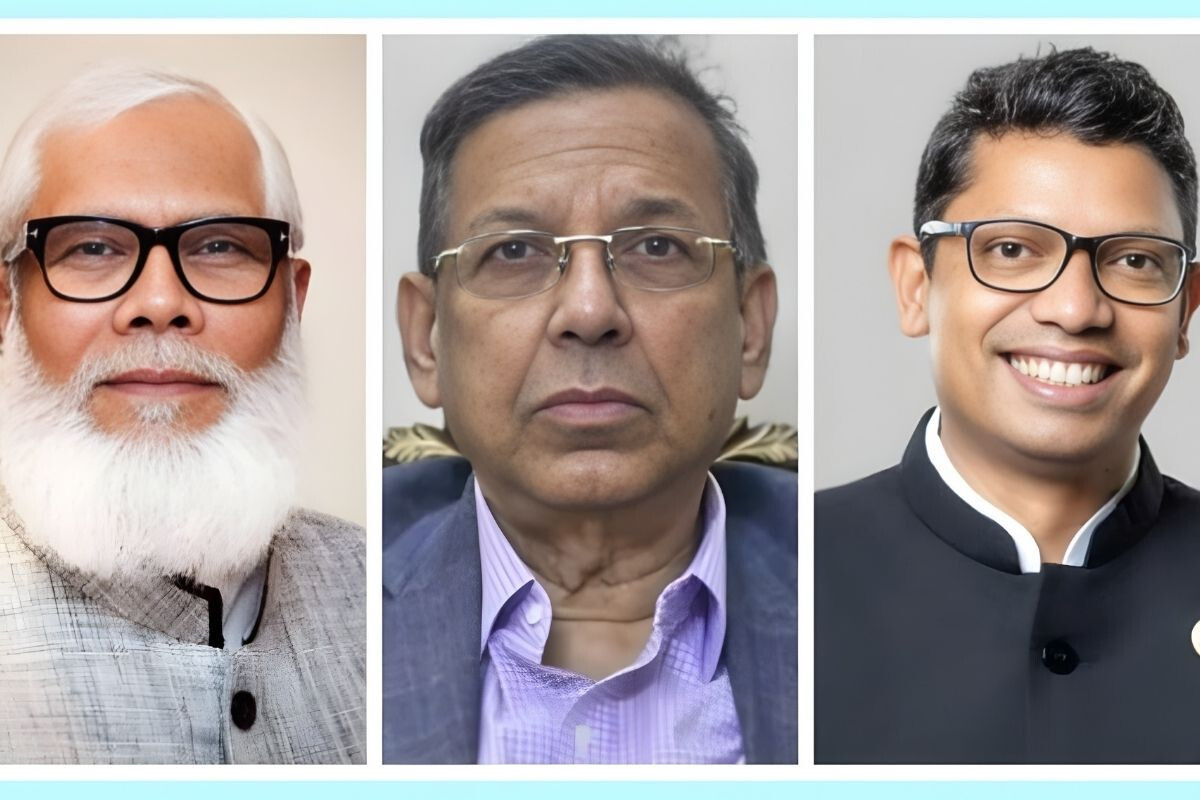
This historic process includes nearly fifty high-profile prisoners, comprising former ministers, members of parliament, and senior government officials. At the central Dhaka Jail in Keraniganj, 39 high-profile inmates are registered, including former government advisor Salman F. Rahman, ex-Law Minister Anisul Haque, Rashed Khan Menon, Hasanul Haq Inu, and Junaid Ahmed Palak.
Among the registered VIP prisoners, 22 are political leaders, 11 are former secretaries, and five are former police officers. To facilitate the voting process, the Dhaka division has been divided into two organisational units: Dhaka Division-1, with 1,476 registered prisoners, and Dhaka Division-2, with 1,183 registered prisoners.
Voting Process:
Assistant Inspector General (Development) Jannat-ul-Farhad explained that each registered prisoner receives a packet containing three envelopes. These include the parliamentary ballot paper and a separate ballot for the referendum, offering “Yes” and “No” options. After casting their votes, prisoners seal the envelopes and submit them to the prison authorities. The ballots are then sent to the Election Commission via the postal department’s express service, where they are added to the general votes from each electoral constituency for final tabulation.
The Department of Prisons also provided a daily breakdown of votes cast:
| Date | Number of Prisoners Voted |
|---|---|
| 3 February | 1,521 |
| 4 February | 988 |
| 5 February | 1,138 |
| 6 February | 420 |
| Total | 4,067 |
The registration of prisoners for postal voting was conducted over a three-week period, ending on 5 January, through an online system facilitated by the Election Commission with support from the prison authorities.
This historic move not only allows prisoners to exercise their democratic rights but also represents a significant step towards inclusive electoral participation in Bangladesh.

Comments