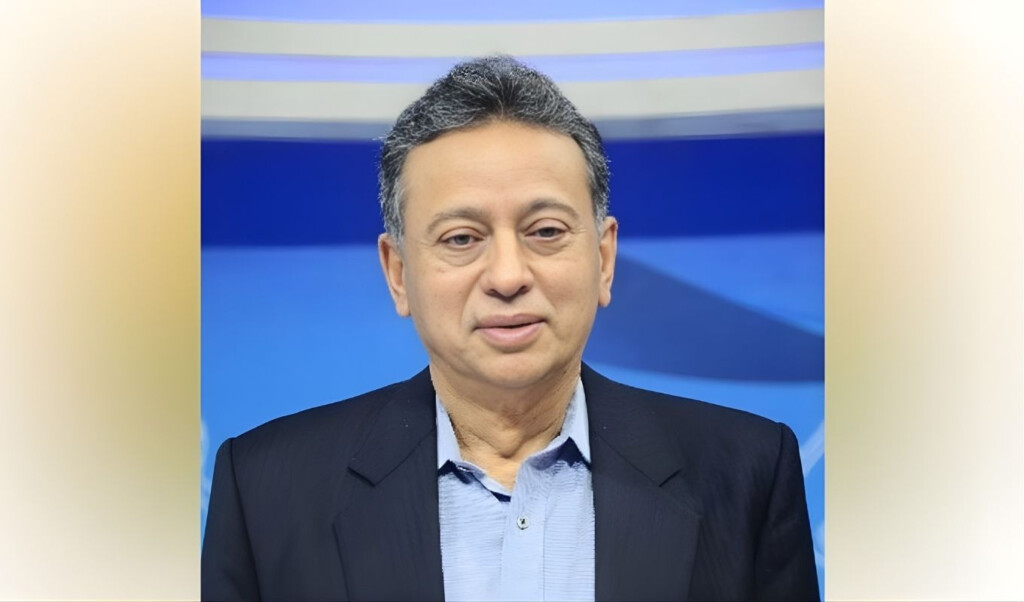
Bangladesh’s newly appointed Finance Minister, Amir Khasru Mahmud Chowdhury, has vowed to liberate the nation’s economy from the constraints of excessive regulation and the longstanding culture of patronage. Speaking for the first time to the media at the Secretariat on Wednesday, he outlined a vision aimed at creating a transparent, professional, and inclusive economic environment.
Minister Chowdhury emphasised that a “patronage-driven economy” cannot be allowed to continue. “Bangladesh’s economy must serve all its people,” he said, stressing that equitable access and opportunity should underpin economic growth.
Key Priorities for the New Finance Ministry
The minister identified three immediate areas of focus:
| Priority Area | Description | Objective |
|---|---|---|
| Institutional Recovery | Address the poor state of key government institutions | Restore professionalism, transparency, and efficiency |
| Economic Democratisation | Move away from patronage politics | Ensure a level playing field and broader participation in the economy |
| Deregulation & Liberalisation | Reduce excessive regulatory burdens | Facilitate fair competition and enable economic benefits to reach all citizens |
Explaining the first priority, Chowdhury said that many state institutions are in “extremely poor condition” and need urgent attention. “We must bring professionalism, transparency, and efficiency to these institutions. Without this, even the largest programmes will fail,” he warned.
On economic democratisation, the minister reiterated his commitment to ensuring that Bangladesh’s economy works for everyone. “There must be a level playing field so that every citizen has the opportunity to participate and benefit from economic growth,” he said.
Chowdhury also called for serious deregulation and liberalisation, arguing that Bangladesh has become an over-regulated country. “Over-regulation has grown alongside patronage politics. We must seriously deregulate and liberalise, providing equal rights and access for all to participate in the economy,” he noted.
A veteran politician, Amir Khasru Mahmud Chowdhury previously served as Minister of Commerce under the BNP government led by Khaleda Zia in 2001. In the newly formed BNP administration, Prime Minister Tarique Rahman has entrusted him with the Finance Ministry as well as the Ministry of Planning, signalling a strong mandate to reform Bangladesh’s economic governance.
Minister Chowdhury’s early interventions suggest a focus on structural reforms rather than short-term fiscal measures, signalling a potential turning point for Bangladesh’s economic policy in the coming years.