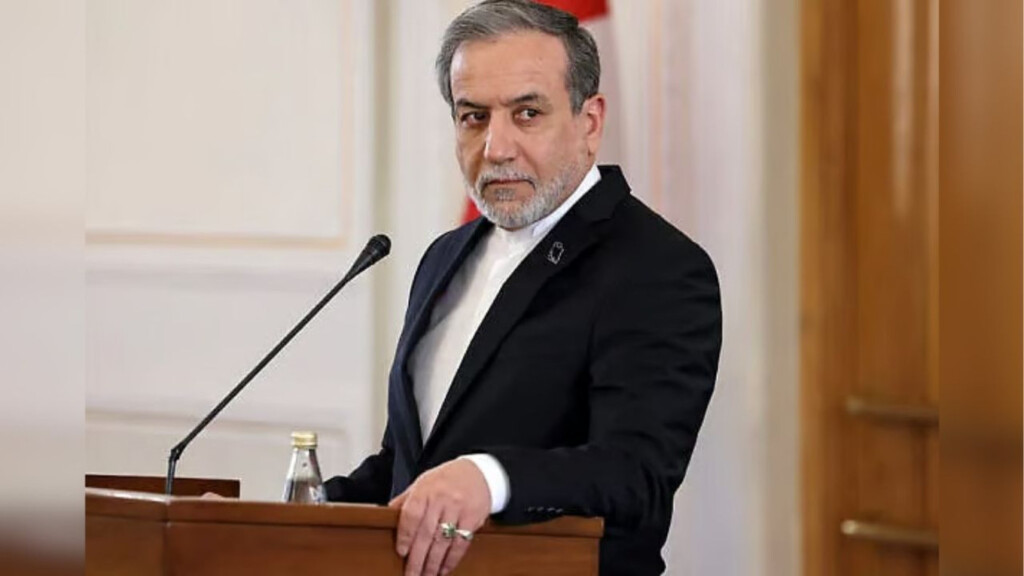
In the wake of a tumultuous wave of military strikes across the Islamic Republic, Iranian Foreign Minister Abbas Araghchi has moved to provide a measure of clarity regarding the fate of the nation’s leadership. Speaking during a live broadcast with NBC News on Saturday, 28 February 2026, Araghchi sought to dispel rampant global speculation concerning the status of the Supreme Leader. “To the best of my knowledge,” the Minister stated, “Ayatollah Ali Khamenei remains alive.”
Assessing the Aftermath of Coalition Strikes
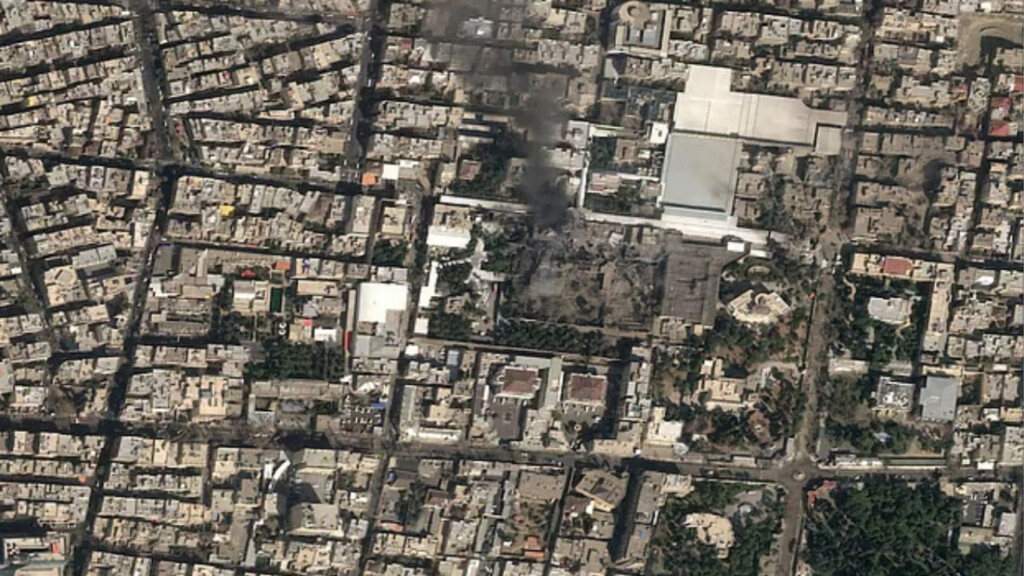
While confirming the survival of the Supreme Leader, Araghchi was candid regarding the tactical losses sustained during the joint United States and Israeli offensive. He acknowledged that the Iranian military apparatus may have “lost one or two commanders” in the precision strikes. Despite these casualties, the Minister’s tone suggested a pivot toward de-escalation, noting that the coalition forces appeared to have concluded their current cycle of bombardment.
In a significant diplomatic overture, Araghchi asserted that Tehran is “entirely open” to negotiations aimed at stabilising the region. However, he clarified that direct communication between Washington and Tehran is currently non-existent. “The Americans know exactly how to reach me if they wish to talk,” he remarked, placing the onus of the next diplomatic move squarely on the White House.
Stalled Nuclear Ambitions and Regional Friction
The recent violence has cast a long shadow over ongoing nuclear discussions. Just two days prior to the strikes, a critical round of negotiations regarding Iran’s nuclear programme concluded without a breakthrough. The subsequent military action has further complicated an already fragile diplomatic track.
| Status Category | Current Update / Finding |
|---|---|
| Supreme Leader | Confirmed alive by Foreign Ministry |
| Military Losses | 1-2 Commanders reported deceased |
| Nuclear Talks | Last round (2 days ago) ended in deadlock |
| Regional Activity | IRGC strikes on US bases cited as “self-defence” |
| Diplomatic Path | No direct US-Iran contact; Tehran open to talks |
Defensive Doctrine and the Path Forward
Despite the offer of dialogue, Araghchi remained firm on Iran’s right to retaliate against Western assets in the Middle East. He confirmed that Iranian forces continue to target US military installations across the region, categorising these operations as purely “defensive” measures intended to deter further aggression.
The Foreign Minister’s remarks highlight a complex duality in Tehran’s current strategy: a willingness to engage in high-level diplomacy to avoid a total war, contrasted with a persistent kinetic response to maintain its regional standing. As the international community watches with bated breath, the coming days will determine if Araghchi’s “open door” for negotiations will be met by a diplomatic envoy or further military hardware.