The reported killing of Iran’s Supreme Leader, Ayatollah Ali Khamenei, in a joint United States–Israeli strike has propelled the Middle East into one of its most precarious moments in decades. After more than thirty years at the apex of the Islamic Republic’s political and ideological order, Khamenei’s sudden absence has unsettled an already volatile balance of power, raising urgent questions about succession, stability and the risk of wider conflict.
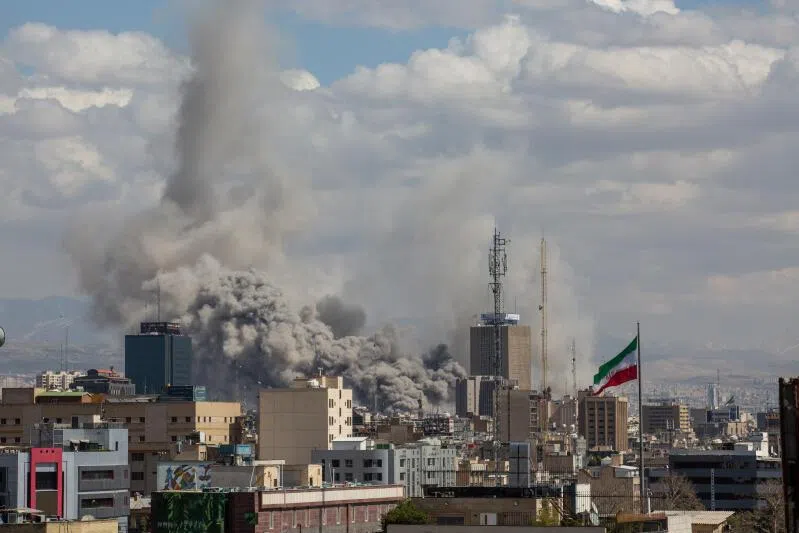
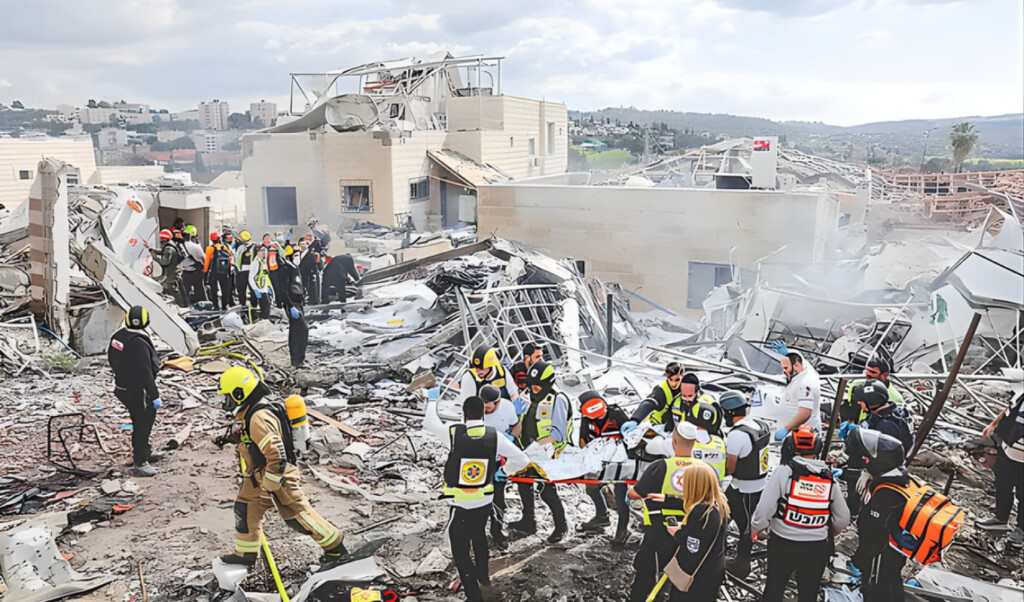
According to multiple regional sources, Tehran responded within hours by launching drones and ballistic missiles towards perceived adversaries, sharply escalating tensions. Reports indicate that in Hormozgan province, including the city of Minab, several civilian structures were damaged, among them a girls’ school. Though casualty figures remain contested, the humanitarian toll is expected to compound existing economic hardship.

A System Under Strain
Khamenei’s authority extended beyond ceremonial leadership. Since assuming office in 1989, he shaped Iran’s security doctrine, regional alliances and nuclear policy. Yet analysts argue that real power had already begun to shift prior to his death. Following intensified American strikes in June, operational control is believed to have gravitated towards the Supreme National Security Council and the Islamic Revolutionary Guard Corps (IRGC), institutions deeply embedded in Iran’s political economy.
The following table outlines the principal actors and their likely roles in the unfolding transition:
| Institution / Actor | Probable Role | Current Position |
|---|---|---|
| Supreme National Security Council | Strategic and military coordination | Effectively directing state response |
| Islamic Revolutionary Guard Corps | Internal security and external operations | Highly organised and well-armed |
| Reformist and opposition groups | Mobilising public dissent | Fragmented leadership, limited cohesion |
| Clerical establishment | Legitimising succession process | Divided over future direction |
Despite the symbolic shock, the state apparatus has not collapsed. The IRGC retains extensive control over security forces and key economic sectors, suggesting that any transition will be tightly managed.
Domestic Discontent and External Rhetoric
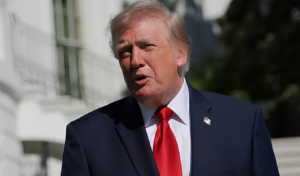
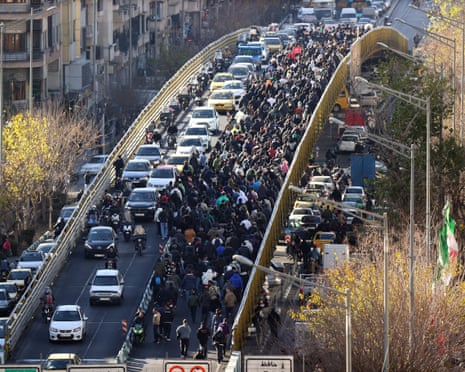
Iran was already simmering with unrest. In December, thousands protested against economic decline and political repression. Although security crackdowns quelled demonstrations, public frustration endured. During that period, the administration of former United States President Donald Trump repeatedly signalled support for Iranian protesters. Following news of Khamenei’s death, Trump described the moment as an opportunity for Iranians to “reclaim their country”.
Such rhetoric, however, oversimplifies a complex landscape. While some exiled figures, including Reza Pahlavi, son of the Shah deposed in 1979, have been mentioned as potential alternatives, there is scant evidence of a unified domestic movement behind any single leader. Kurdish armed groups have welcomed the strike but remain wary of the uncertainty that may follow.
Historian Arash Azizi has cautioned that transitional periods are often the most dangerous, warning that internal fragmentation could, in the worst case, descend into civil conflict.
Regional Calculations
Israeli Prime Minister Benjamin Netanyahu has publicly urged Iranians to take to the streets. Yet strategic questions linger. Would a stable, reform-oriented Iran serve Israel’s long-term interests, or might a weakened and divided neighbour prove more advantageous?
For now, the region stands at a crossroads. External military pressure can destabilise an entrenched regime, but it cannot by itself construct a legitimate and durable political order. Whether Iran moves towards renewal or deeper turmoil will depend less on foreign intervention than on the capacity of its own institutions and citizens to navigate a fraught and uncertain transition.