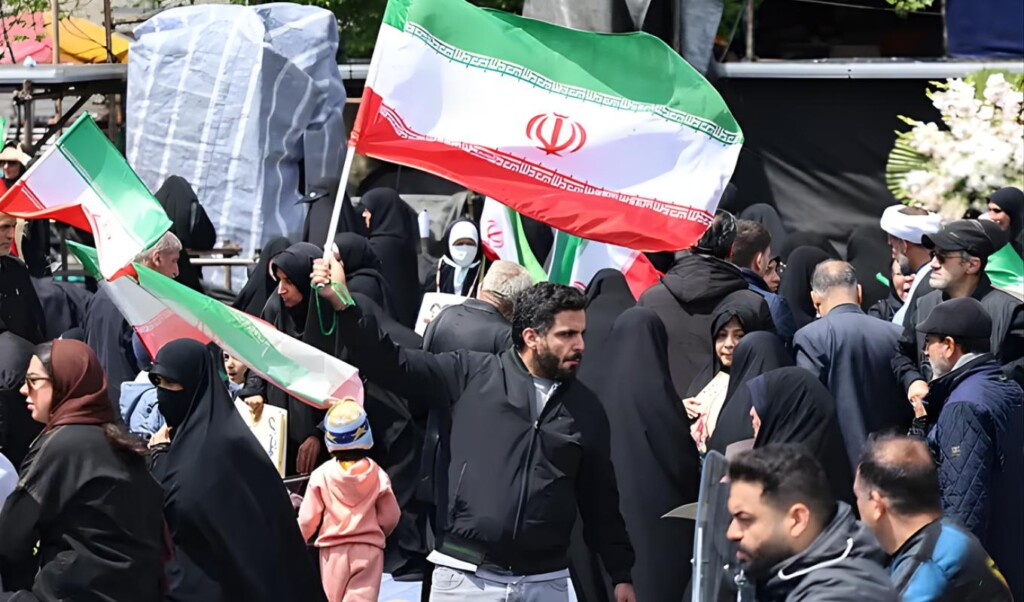
In the tense hours immediately preceding the announcement of a two-week ceasefire between the United States and Iran, the international system edged dangerously close to a far wider and more destructive conflict. What had already been nearly six weeks of escalating confrontation across the Middle East appeared, at several points on Tuesday, to be spiralling beyond diplomatic control.
At the centre of the crisis was US President Donald Trump, whose rhetoric intensified sharply as the deadline for Iran to reopen the Strait of Hormuz approached. In a series of statements on his platform Truth Social, he issued threats that ranged from large-scale strikes on Iran’s infrastructure to language that legal experts and human rights observers described as potentially genocidal in tone. He warned that failure to comply with Washington’s ultimatum would lead to the destruction of critical infrastructure and, in his words, the “end of a civilisation”.
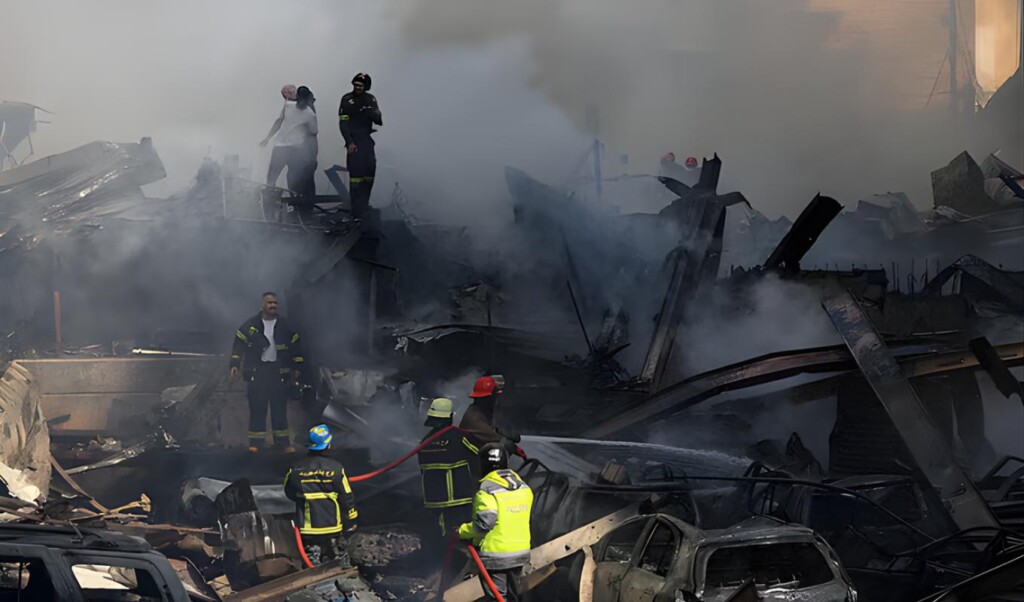
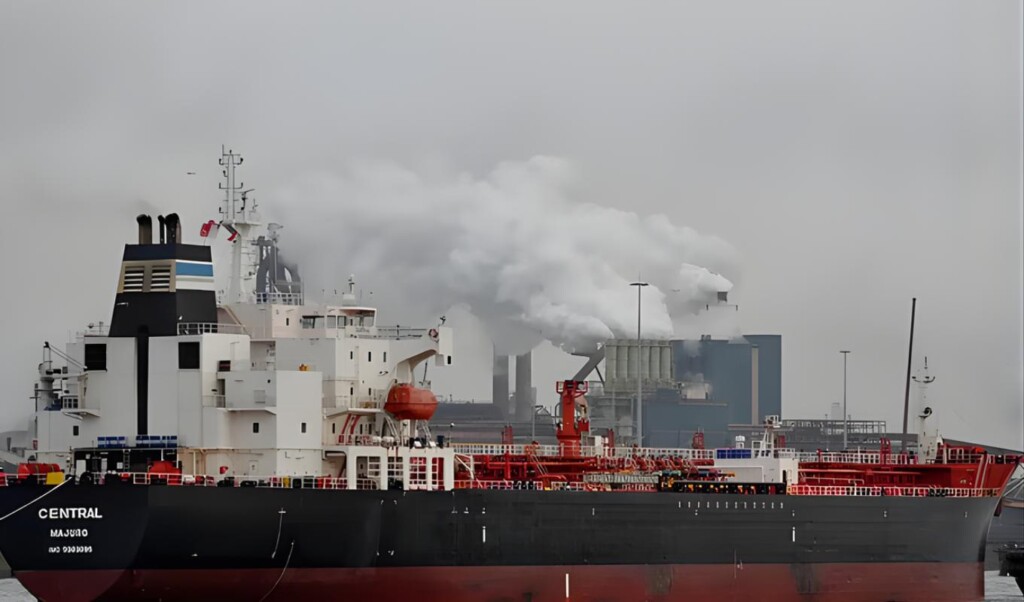
The situation escalated further as reports emerged of strikes, counter-strikes, and heightened military alert levels across the Gulf region. Qatar and the United Arab Emirates both activated defensive measures in response to missile and drone activity, while maritime security concerns in the Strait of Hormuz—one of the world’s most vital energy corridors—reached critical levels.
Diplomatic manoeuvring, however, continued behind the scenes. With mediation led by Pakistan, urgent negotiations progressed rapidly as the deadline neared. Less than ninety minutes before the expiry of Trump’s ultimatum, an agreement was reached on a temporary ceasefire. Israel also agreed to suspend operations, though it stated that the arrangement did not extend to its broader regional security concerns.
By late Tuesday night, both sides had reportedly agreed to halt hostilities and ensure the reopening of the Strait of Hormuz, while committing to further talks in Islamabad aimed at a more durable settlement.
On Wednesday, Trump suggested the agreement could mark the beginning of a “golden age” for the Middle East, a notable rhetorical shift following days of extreme escalation.
Key Developments in the Final Hours Before the Ceasefire
| Time (GMT) | Event |
|---|---|
| 12:06 | Trump warns of devastating strikes on Iranian infrastructure, including bridges and power stations |
| 15:21 | Reports confirm US-linked strike activity affecting Kharg Island, Iran’s key oil export hub |
| 15:40 | China and Russia veto UN Security Council proposal on Hormuz maritime security |
| 16:54 | Qatar and UAE raise alert levels following missile and drone threats |
| 18:23 | Iranian diplomatic messaging signals cautious progress in talks mediated via Pakistan |
| 19:17 | Pakistan’s Prime Minister Shahbaz Sharif urges Trump to extend deadline and allow diplomacy |
| 20:25 | Iranian military issues warning over regional energy infrastructure targets |
| 20:41 | Strikes reported on petrochemical facilities in south-west Iran |
| 22:45 | Trump announces temporary two-week ceasefire agreement |
| 04:01 (Wed) | Trump describes ceasefire as potential start of a “golden age” for the region |
Throughout the day, competing narratives of escalation and restraint unfolded simultaneously. Iran signalled both diplomatic openness and military deterrence, while US statements oscillated between threats and conditional willingness to negotiate. The United Nations Security Council became another arena of geopolitical division, as China and Russia blocked a resolution aimed at securing commercial shipping lanes in the Strait of Hormuz, arguing that it failed to reflect broader regional tensions.
Pakistan emerged as a key intermediary, facilitating contact between Washington and Tehran at a moment when direct communication channels were effectively frozen. Its diplomatic intervention proved decisive in securing the last-minute understanding that averted immediate large-scale escalation.
Although the ceasefire remains temporary and fragile, the events of Tuesday underscored how rapidly the region had approached the threshold of a wider war—and how narrowly it was ultimately avoided.