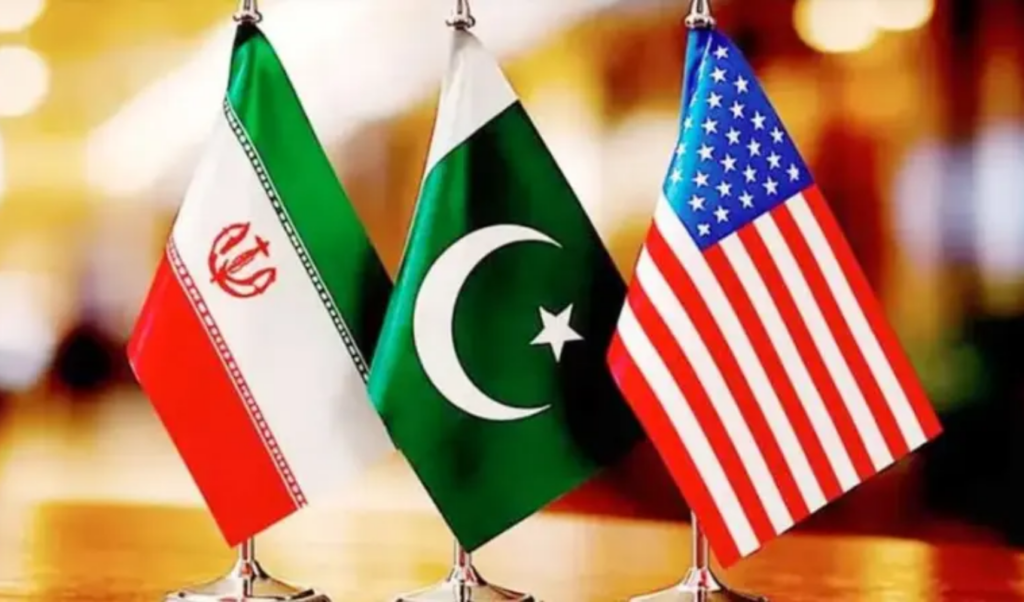
ISLAMABAD — A high-level Iranian delegation, led by Foreign Minister Abbas Araghchi, is expected to arrive in the Pakistani capital, Islamabad, on the night of Friday, 24 April 2026. According to official Pakistani sources cited by Al Jazeera, the visit is viewed as a pivotal moment in ongoing diplomatic efforts, with reports suggesting a “strong possibility” of significant progress in negotiations between the United States and the Islamic Republic of Iran.
Diplomatic Groundwork and Regional Mediation
The impending arrival follows a series of high-level communications between Tehran and Islamabad. Foreign Minister Araghchi conducted a telephonic discussion with his Pakistani counterpart, Ishaq Dar, during which he commended Pakistan’s “consistent and constructive role as a mediator.”
The Pakistani Ministry of Foreign Affairs confirmed the dialogue, noting that the two ministers reviewed the prevailing regional security architecture, current ceasefire status, and the broader context of United States-Iran engagement. Minister Dar reportedly emphasised the necessity of uninterrupted dialogue to ensure regional stability.
Furthermore, the Iranian state news agency, IRNA, reported that Foreign Minister Araghchi held a separate telephonic conversation with Pakistan’s Chief of Army Staff, Field Marshal Asim Munir. However, neither the Pakistani Foreign Ministry nor the Inter-Services Public Relations (ISPR) has released an official statement regarding this specific interaction with the military leadership.
Context of the US-Iran Proximity Talks
Pakistan’s role as the primary intermediary comes in the wake of an intensive first round of negotiations held in Islamabad on 11 and 12 February 2026. Those discussions spanned approximately 21 hours but concluded without a formal agreement. Since then, Pakistan and other international stakeholders have been working to facilitate a second round of high-stakes “proximity talks” to bridge the divide between Washington and Tehran.
In preparation for this diplomatic engagement, Pakistani authorities have implemented rigorous logistical and security measures. Since the beginning of this week, security cordons have been tightened across both Islamabad and the neighbouring city of Rawalpindi. Official reports indicate that two major hotels in the capital have been reserved exclusively for the visiting delegations and their support staff.
Challenges to the Second Round of Dialogue
Despite the extensive preparations by the Pakistani government, the commencement of the second round has faced significant hurdles. To date, Iran has expressed hesitation in returning to the negotiating table, citing alleged violations of the ceasefire by the United States. Tehran has maintained that a stable environment and adherence to prior commitments are prerequisites for meaningful diplomatic progress.
The arrival of the Iranian delegation tonight suggests a potential shift in this stance or, at the very least, a willingness to engage in preliminary consultations through Pakistani mediation. The presence of the Foreign Minister himself underscores the gravity of the mission and the potential for a breakthrough in the stalled process.
Strategic Significance for Pakistan
Pakistan’s position as a mediator is of considerable strategic importance, given its shared border with Iran and its long-standing, albeit complex, relationship with the United States. Successful mediation would not only bolster Islamabad’s diplomatic credentials but also alleviate regional tensions that directly impact Pakistan’s internal security and economic interests.
As the Iranian delegation touches down in Islamabad, international observers remain focused on whether Pakistan can successfully convince both parties to resume formal talks. The outcome of these discussions is expected to have far-reaching implications for Middle Eastern security and global energy markets. No official schedule for the meetings has been released, though consultations are anticipated to begin as early as Saturday morning.