The Media Reform Commission has recommended the merger of Bangladesh’s three major state-run media outlets – Bangladesh Television (BTV), Bangladesh Betar, and Bangladesh Sangbad Sangstha (BSS) – into a single unified entity, potentially named the “Bangladesh Broadcasting Corporation” or the “National Broadcasting Corporation.”
The commission’s report, submitted to Chief Adviser Professor Muhammad Yunus at the state guest house Jamuna on Saturday, outlines an integration plan aimed at modernizing state media and enhancing efficiency. The proposed structure includes three core divisions: Television, Radio, and News, with BSS functioning as the central news division.
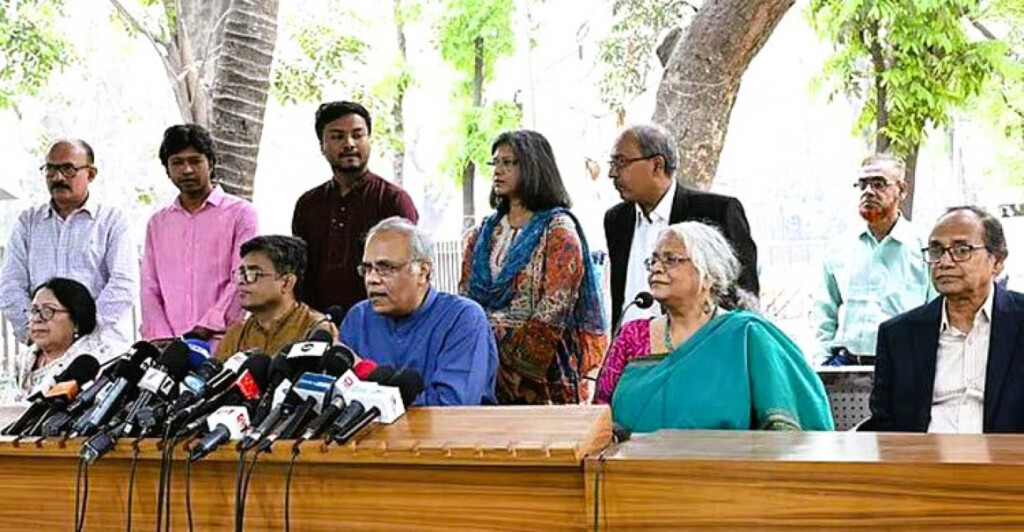
At a press briefing following the submission, Commission Chairman Kamal Ahmed highlighted key elements of the report. The briefing was attended by Chief Adviser’s Press Secretary Shafiqul Alam and other commission members.
The commission argued that merging the entities would lead to more effective use of resources, technical expertise, and editorial creativity. It pointed to globally respected public broadcasters like the BBC (UK) and Deutsche Welle (Germany) as successful models of integrated broadcasting systems.
The commission noted that many radio programmes are now seamlessly adapted into video content and streamed on social media. Bangladesh Betar already practices this through its Dhaka and regional centres, making the case for institutional collaboration even more urgent.
The report says that the newsrooms of BTV and Bangladesh Betar lack professionalism, serving primarily as channels for government bulletins, ceremonial coverage, and development-centric content. These divisions are typically staffed by government information officers, leaving little room for editorial independence or journalistic growth.
By contrast, while BSS operates a more professional newsroom, it remains hampered by government control and political interference, preventing it from evolving into a fully independent and exemplary national news agency.
In light of these findings, the commission strongly advocates for integrating BSS as the News Division within the proposed national broadcasting body. This central newsroom would supply content to both television and radio wings of the unified corporation, streamlining operations and improving news quality across platforms.