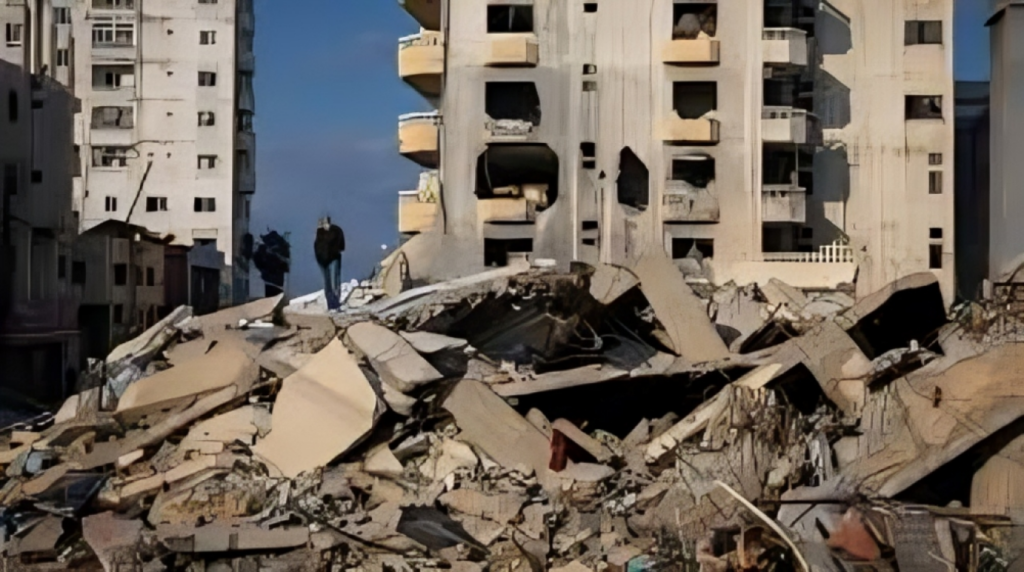
DAMASCUS, Syria, July 20, 2025 (BSS/AFP) – The United Nations Migration Agency (IOM) reported on Sunday that sectarian violence in the southern Syrian province of Sweida has led to the displacement of over 128,000 people over the past week, marking a sharp escalation in the conflict.
According to the IOM, the violence in Sweida, which erupted in mid-July, has caused widespread suffering among the local population, particularly affecting the Druze community in the region. The agency highlighted that the number of displaced individuals surged dramatically, with over 43,000 people forced to flee their homes on 19 July alone.
Key Displacement Figures and Timeline:
| Date | Number of Displaced Individuals | Details |
|---|---|---|
| Onset of Hostilities | 128,571 | A cumulative total of individuals displaced since the start of the violence. |
| 19 July 2025 | 43,000+ | A significant spike in displacement with over 43,000 people forced to leave in just one day. |
The International Organization for Migration (IOM) confirmed that 128,571 people have been displaced as of Sunday, with a particularly alarming rise in the number of those fleeing the violence on 19 July. The agency reported that this spike in displacement occurred within a single day, pointing to the intensity of the clashes and the rapid deterioration of the situation on the ground.
Context of the Violence
The violence in Sweida province has unfolded as tensions between sectarian groups and various armed factions have escalated in the area. The Druze population, which forms the majority in the region, has been caught in the crossfire of an ongoing conflict that has seen tribal militias, radical groups, and Syrian government forces all involved in the hostilities.
While Syria’s civil war has been ongoing since 2011, the recent uptick in violence in Sweida has raised concerns among international observers and humanitarian groups about the stability of the region. The Druze community, which has historically maintained a delicate balance between neutrality and affiliation with various factions, is now facing mounting pressure as the conflict reaches their doorstep.
Humanitarian Impact
The IOM has expressed growing concern over the humanitarian crisis resulting from the mass displacement. The agency has called for urgent assistance to address the needs of those affected by the violence, many of whom have been forced to flee with little more than the clothes on their backs.
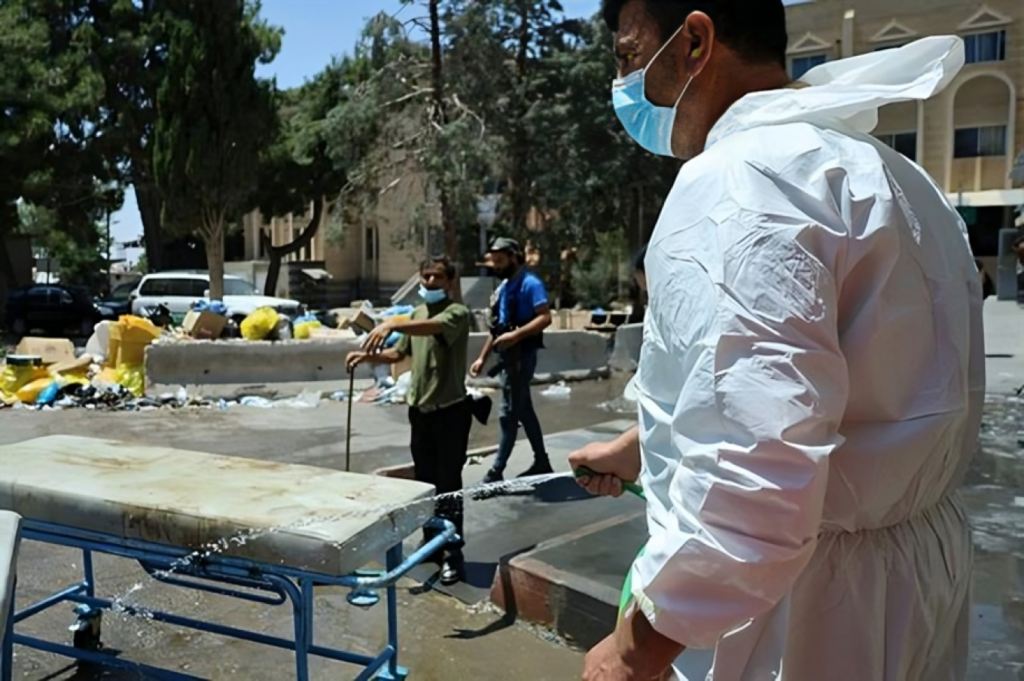
- Critical Needs: The displaced individuals are facing severe shortages of food, clean water, shelter, and medical care. Many of the displaced families have sought refuge in makeshift camps or with relatives, exacerbating the strain on local resources.
- Vulnerable Populations: Among those displaced, there are a significant number of women, children, and elderly individuals, all of whom are particularly vulnerable to the ongoing violence and the dire living conditions that follow.
The IOM has emphasised the urgent need for international aid to support these vulnerable groups and to assist in providing emergency relief in the affected areas.
The Path Ahead
The situation in southern Syria remains highly volatile, with no immediate signs of de-escalation. Despite efforts by the international community to address the underlying tensions, the sectarian violence in Sweida shows little sign of abating.
As the UN Migration Agency and other humanitarian organisations continue to monitor the situation, there are concerns that the number of displaced people could continue to rise as the conflict unfolds.
Ongoing Efforts and International Response
In response to the displacement, international humanitarian organisations are mobilising efforts to provide food, water, medicine, and shelter to those affected by the crisis. However, the worsening security situation in Sweida province has made it challenging for aid workers to reach all those in need.
- International Calls for Ceasefire: Several international entities, including the United Nations and European Union, have called for an immediate ceasefire to allow humanitarian aid to reach the affected population. However, with fighting still ongoing in some areas, these calls have yet to lead to a significant change on the ground.
- Regional Instability: The violence in Sweida is also contributing to broader regional instability, as the conflict threatens to spill over into neighbouring areas. The situation is further complicated by foreign involvement in the conflict, as various international powers have taken sides in the ongoing Syrian Civil War.
Looking Forward
As the number of displaced individuals continues to climb, the international community remains focused on finding ways to alleviate the humanitarian crisis in southern Syria. However, the road ahead is fraught with challenges, as both military and humanitarian efforts face significant obstacles in a deeply divided and war-torn country.
The IOM and other agencies have stressed the importance of sustained international engagement to provide relief and address the root causes of the ongoing violence, in order to prevent further loss of life and displacement in the region.