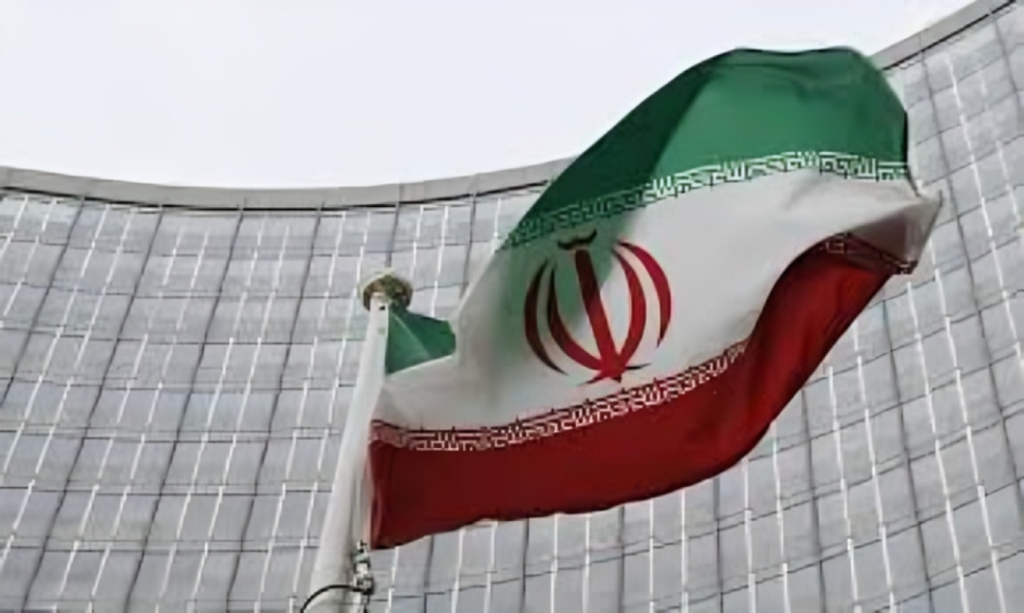
Iran has confirmed it will not abandon its nuclear programme, including uranium enrichment, despite the “severe” damage inflicted on its facilities by recent US airstrikes. The country’s Foreign Minister, Abbas Araghchi, stated that the nation would continue its nuclear ambitions ahead of a crucial round of talks with European powers.
Scheduled for Friday in Istanbul, the meeting will bring together Iran and the European trio—Britain, France, and Germany—to discuss Tehran’s nuclear programme. The talks come at a time of heightened tensions following Iran’s recent conflict with Israel, during which the United States conducted airstrikes targeting Iranian nuclear infrastructure.
No Plans to Abandon Enrichment
Despite acknowledging the significant damage caused by US strikes, Foreign Minister Araghchi made it clear that Iran had no intention of halting its enrichment activities. While he conceded that the damage to Iran’s nuclear facilities was considerable, he stressed that the country would not “give up” its enrichment programme, calling it a matter of “national pride” and a key achievement of Iranian scientists.
Araghchi’s statement:
“For now, enrichment is stopped because, yes, damages are serious and severe. But obviously, we cannot give up enrichment because it is an achievement of our own scientists,” he told Fox News’ Special Report with Bret Baier.
This statement underscores Iran’s stance that nuclear enrichment is a matter of national sovereignty, regardless of external pressures.
Response from US President Trump
In response to Araghchi’s comments, US President Donald Trump took to his social media platform, Truth Social, to warn that the United States would take further military action against Iran’s nuclear programme if necessary. This remark highlights the ongoing volatility surrounding Iran’s nuclear ambitions and the potential for further escalation.
The 2015 Nuclear Deal and Its Collapse
The landmark 2015 nuclear deal, formally known as the Joint Comprehensive Plan of Action (JCPOA), was initially hailed as a breakthrough in curbing Iran’s nuclear capabilities. Under the agreement, Iran agreed to limit its uranium enrichment in exchange for sanctions relief. However, the deal began to unravel in 2018 when the United States, under President Trump, unilaterally withdrew from the accord and reimposed stringent sanctions on Iran.
Since the US exit, European powers have struggled to uphold the deal’s terms. Although Europe pledged continued support, a special mechanism designed to offset the US sanctions has proven ineffective, with many Western firms pulling out of Iran, exacerbating the nation’s economic crisis.
Iran’s stance on the European powers:
“Iran holds the European parties responsible for negligence in implementing the agreement,” said Iranian Foreign Ministry spokesman Esmaeil Baqaei. He further expressed frustration at the failure of the Europeans to uphold their commitments under the deal.
The Upcoming Talks in Istanbul
The upcoming meeting in Istanbul will be the first since Iran’s 12-day conflict with Israel, which escalated following airstrikes on Iran’s nuclear facilities. Iran is hoping to secure a new diplomatic approach with Europe, but tensions remain high.
Key Details of the Talks:
| Date | Location | Participants | Topic |
| Friday, Upcoming | Istanbul | Iran, UK, France, Germany | Discussion on Iran’s nuclear programme and JCPOA future |
Ahead of these talks, the three European powers have warned that they may reimpose international sanctions on Iran, accusing it of breaching its nuclear commitments. Germany, in particular, has stated that the meeting will be at an expert level, with the E3 working intensively to reach a verifiable diplomatic solution.
“If no solution is reached by the end of August, the snapback mechanism remains an option,” said German Foreign Ministry spokesman Martin Giese.
Snapback Mechanism and Sanctions Threat
A key provision of the 2015 nuclear deal is the “snapback” mechanism, which allows UN sanctions to be reimposed on Iran if it fails to comply with the terms of the agreement. Given the current impasse, European powers have indicated that the snapback clause could be activated if no progress is made during the upcoming talks.
However, there is a looming deadline: the agreement is set to expire in October, leaving little time for resolution.
Iran’s Escalating Enrichment Levels
The International Atomic Energy Agency (IAEA) has reported that Iran is the only non-nuclear-armed state currently enriching uranium to 60% purity, well above the 3.67% cap stipulated by the 2015 agreement. This level of enrichment brings Iran dangerously close to the 90% threshold required for the development of a nuclear weapon.
Despite these concerns, Iran has continued to maintain that its nuclear programme is intended for peaceful purposes, including energy production. Tehran’s stance remains firm: it is not seeking nuclear weapons, but rather the right to develop civilian nuclear technology.
Diplomatic Engagement with China and Russia
In parallel to the talks with Europe, Iran is engaging with other international powers, including China and Russia. On Tuesday, Iran will host a trilateral meeting with Chinese and Russian representatives to discuss the nuclear issue and the potential for lifting or further tightening sanctions.
China, a key ally of Iran, has expressed its intention to play a constructive role in restarting dialogue. The Chinese Foreign Ministry stated: “Beijing will continue to push relevant parties to restart dialogue and negotiations, and work towards a solution that addresses the legitimate concerns of all parties involved.”
Tensions and Strikes in the Region
The region remains volatile, with military strikes escalating in recent months. Following Israel’s surprise airstrikes on June 13, which targeted Iranian military and nuclear sites, the United States launched its own strikes against Iran’s nuclear infrastructure on June 22. These strikes targeted facilities at Fordo, near Qom, and at Natanz and Isfahan.
Impact of Strikes on Talks:
The military escalation in the region has further complicated diplomatic efforts, with talks scheduled between Tehran and Washington cancelled after the Israeli strikes. Iran’s Foreign Ministry remains firm, stating that it has “no intention of speaking with America” at this time.
Baqaei’s statement:
“At this stage, we have no intention of speaking with America,” he reiterated on Monday, underscoring the growing diplomatic chasm between the two countries.