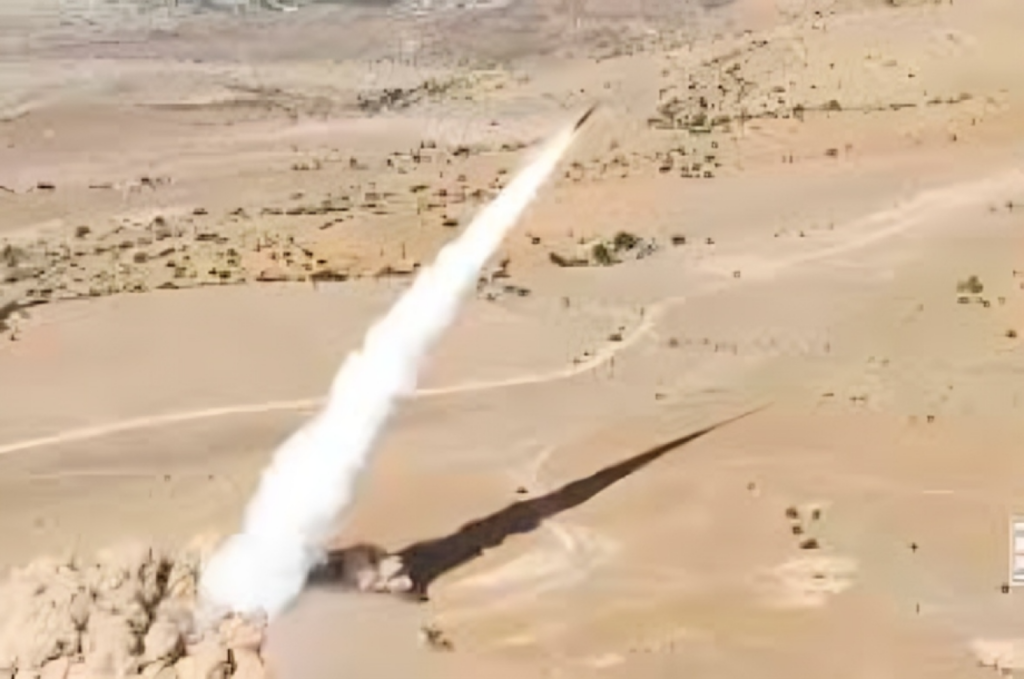
Yemen’s Huthi rebels launched two missile attacks targeting Israel’s main airport, with the Israeli army successfully intercepting both. The latest attack took place on Tuesday, just a day after Israel struck the rebel-controlled Yemeni port of Hodeida.
Details of the Attacks
On Tuesday, the Huthis aimed a “Palestine 2” hypersonic ballistic missile at Ben Gurion International Airport in Tel Aviv. The missile was intercepted by the Israeli military, which had already responded to a similar missile attack hours earlier. This was part of a series of retaliatory measures Israel has taken in response to increasing missile and drone strikes from the Iran-backed Huthi rebels.
| Date | Location | Target | Attack Type | Missile Intercepted |
| Tuesday | Ben Gurion International Airport | Israel’s main airport | Hypersonic ballistic missile | “Palestine 2” |
| Monday | Hodeida, Yemen | Huthi targets in Yemen | Airstrike | N/A |
Israel’s Retaliatory Strikes on Yemen
Israel has consistently struck Huthi-controlled areas in Yemen, particularly after the rebels began targeting Israeli territory with missile and drone attacks. The Huthis have justified these attacks as an act of solidarity with Palestinians in Gaza, where the ongoing conflict has sparked widespread international concern.
On Monday, Israeli Defence Minister Israel Katz issued a stark warning, saying that “Yemen’s fate will be the same as Tehran’s” after Israeli forces targeted Huthi positions in Hodeida port. This was part of a broader Israeli effort to disrupt the rebels’ ability to restore infrastructure that had previously been damaged in earlier strikes.
Impact of Israeli Airstrike on Hodeida
A Huthi security official, speaking on the condition of anonymity, told AFP that the Israeli bombing had destroyed the port’s dock, which had recently been rebuilt after previous attacks. The destruction further disrupts the Huthis’ ability to use the port for military purposes.
Huthis Escalate Attacks in the Red Sea and Gulf of Aden
In addition to targeting Israel, the Huthis have resumed deadly attacks in the Red Sea and Gulf of Aden. The rebels have increasingly targeted ships they accuse of having links to Israel, aiming to pressure the country to end its ongoing military actions in Gaza. These attacks add a complex layer to the broader conflict in the region, further heightening tensions.
The strategic location of Yemen, at the entrance to the Red Sea, allows the Huthis to disrupt international shipping lanes, escalating the stakes in both regional and global security.
Broader Context of the Conflict
The ongoing missile and drone strikes from the Huthis are part of a broader geopolitical struggle, with Iran backing the rebels and Israel responding in kind to defend its territory. This tit-for-tat escalation of violence is likely to continue unless a diplomatic resolution can be found.
With the situation in Gaza intensifying, the actions of the Huthi rebels highlight how the Israel-Palestine conflict continues to reverberate through the Middle East, with regional powers taking sides in increasingly complex ways.
As both Israel and the Huthis engage in military strikes, the international community remains concerned about the possibility of further destabilisation in the region.