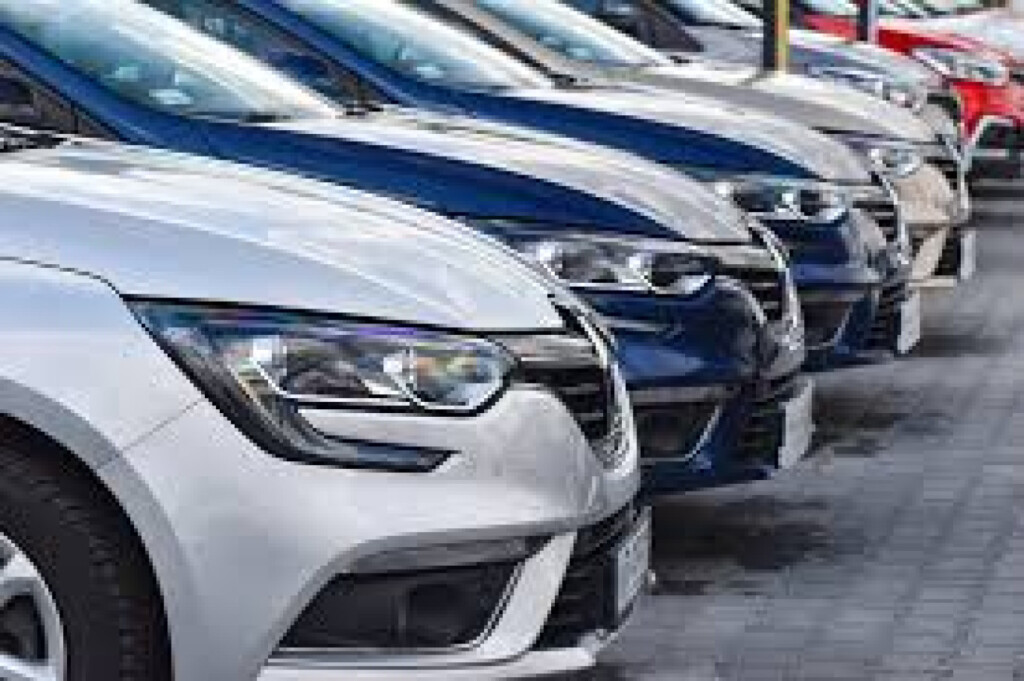
Europe’s new car market experienced a sharp 7% year-on-year decline in June 2025, with major economies including Germany, France, and Italy recording particularly steep drops, according to figures released on Thursday by the European Automobile Manufacturers’ Association (ACEA).
This downturn comes amid a challenging global economic climate, driven by trade tensions, notably tariff threats from the US under President Donald Trump, and increasing competition from Chinese automakers, especially in the growing electric vehicle (EV) segment.
Market Trends at a Glance (First Half of 2025)
| Segment | Sales Change | Market Share |
| Overall Market | ▼ 2% | 100% |
| Petrol Vehicles | ▼ 21% | Significant decline |
| Diesel Vehicles | ▼ 28% | Significant decline |
| Hybrid Vehicles | ▲ 17% | Now over 1/3 of market |
| Fully Electric Vehicles | ▲ 22% | Just under 16% |
While hybrids have made notable gains, helping to stabilise the market, fully electric vehicles have seen more modest growth compared to earlier boom years. Despite government incentives, mass adoption of EVs remains elusive, according to the ACEA.
“We are still far from reaching mass adoption,”
– ACEA spokesperson
The association stressed the need for stronger consumer demand measures and proposed revisions to CO₂ emissions standards to accelerate the green transition.
Manufacturer Performance – June 2025
| Carmaker | Units Lost | % Decline | Remarks |
| Stellantis | -30,000 units | ▼ 16% | Worst performer; Fiat & Citroën most impacted |
| Volkswagen | — | ▼ 8% | Average decline |
| Renault | — | ▼ 0.5% | Most resilient of the top three |
| Toyota | -10,000 units | — | Market share declined |
| Hyundai-Kia | -10,000 units | — | Market share declined |
Stellantis, the continent’s second-largest carmaker, suffered the steepest fall, losing 30,000 units, mainly due to ongoing model overhauls at Fiat and Citroën. Meanwhile, Volkswagen, Europe’s top carmaker, experienced a relatively moderate drop, while Renault held steady.
Asian automakers like Toyota and Hyundai-Kia also faced setbacks, each losing approximately 10,000 units in sales and seeing a dip in their European market share.
Challenges Ahead
The ACEA voiced concern over the “increasingly unpredictable trade environment”, especially in the face of potential US tariffs, adding that the current market turbulence is undermining competitiveness and investor confidence.
“Consumers clearly remain cautious, and more robust demand measures will remain a crucial element to get the transition up to speed,”
– ACEA statement
As the European auto industry navigates climate targets, global trade tensions, and shifting consumer preferences, its ability to adapt swiftly will be critical to reversing the current sales slump.