Five banks, currently undergoing a merger process, have been grappling with a severe liquidity crisis for more than a year.
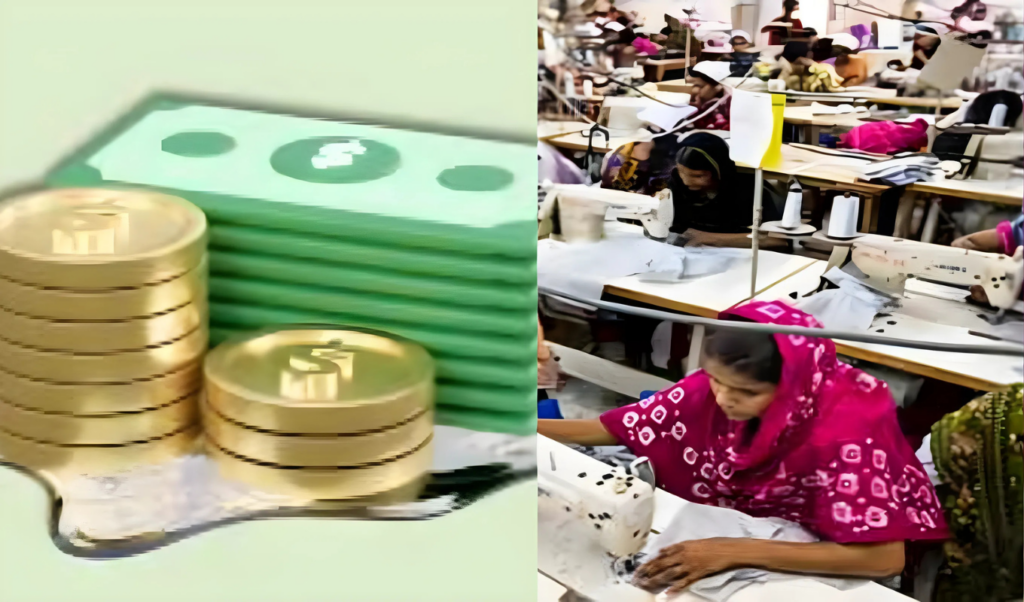
This prolonged financial strain has directly impacted nearly 300 garment-exporting companies, many of which are struggling to operate. Although export earnings are flowing into the country, these banks are unable to pay their clients on time. Furthermore, they are failing to open new Letters of Credit (LCs), leading to a deadlock in wage and allowance payments for thousands of factory workers.
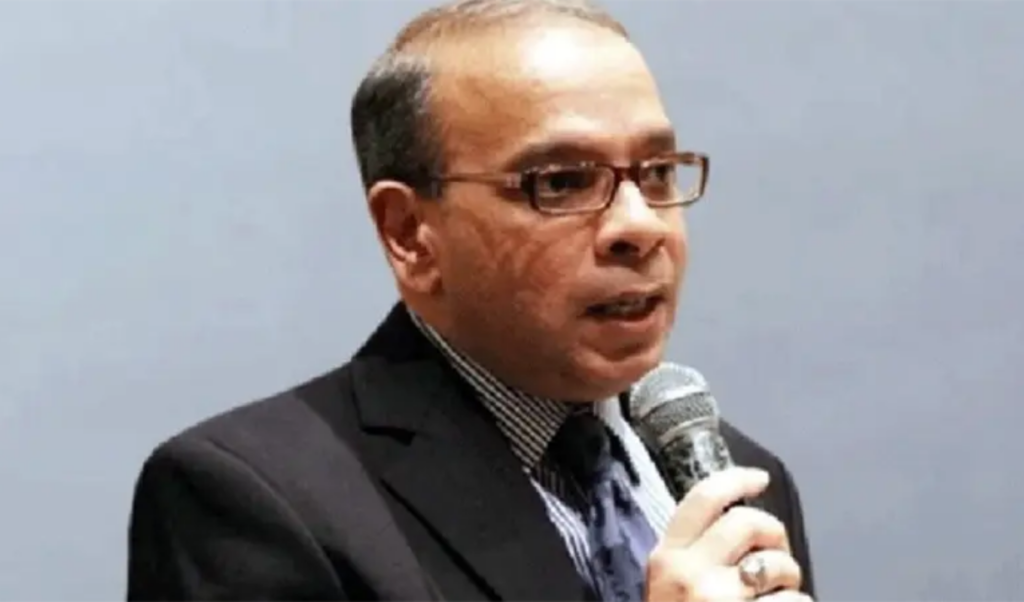
On Tuesday, 26 August, the Bangladesh Garment Manufacturers and Exporters Association (BGMEA) held a meeting with the Governor of Bangladesh Bank, Ahsan H. Mansur, to seek an urgent solution. BGMEA representatives warned that the inability to disburse wages is fuelling worker unrest, which could pose serious risks to law and order.
The five struggling banks are:
| Bank Name | Former/Controlling Authority | Notes |
| First Security Islami Bank | Controlled by S. Alam Group (Chattogram) | |
| Union Bank | Controlled by S. Alam Group | |
| Global Islami Bank | Controlled by S. Alam Group | |
| Social Islami Bank | Controlled by S. Alam Group | |
| EXIM Bank | Chaired by Nazrul Islam Mazumder |
Four of these banks were under the control of S. Alam Group, while EXIM Bank was chaired by Nazrul Islam Mazumder.
The meeting was led by BGMEA President Mahmud Hasan Khan, with Vice-President Md. Shihab Uddoza Chowdhury, Director Mohammad Abdur Rahim, Director Fahima Akhter, and several other garment entrepreneurs in attendance.
During discussions, the BGMEA President expressed grave concern, stating:
- The crisis in weak banks is tarnishing the country’s reputation internationally.
- It is eroding the confidence of foreign buyers.
- Without swift intervention, many factories may collapse into sick industries.
- This could ultimately cost countless workers their livelihoods.
In response, Governor Ahsan H. Mansur assured immediate relief, confirming that arrangements would be made for customers of these banks to receive their due payments temporarily. He also pledged that permanent measures would be taken to stabilise the situation.
The roots of the problem trace back to the previous government’s tenure, when widespread irregularities and corruption plagued the banking sector. As a result:
- Depositors were unable to withdraw funds.
- Loan disbursements had come to a near standstill.
In light of this, Bangladesh Bank initiated the merger of the five troubled banks and requested financial allocations from the government. Once approved, the banks will begin refunding depositors—prioritising those with smaller savings accounts.