Sunday, 5th April 2026

Khabor Wala Desk
Published: 23rd November 2025, 2:51 PM
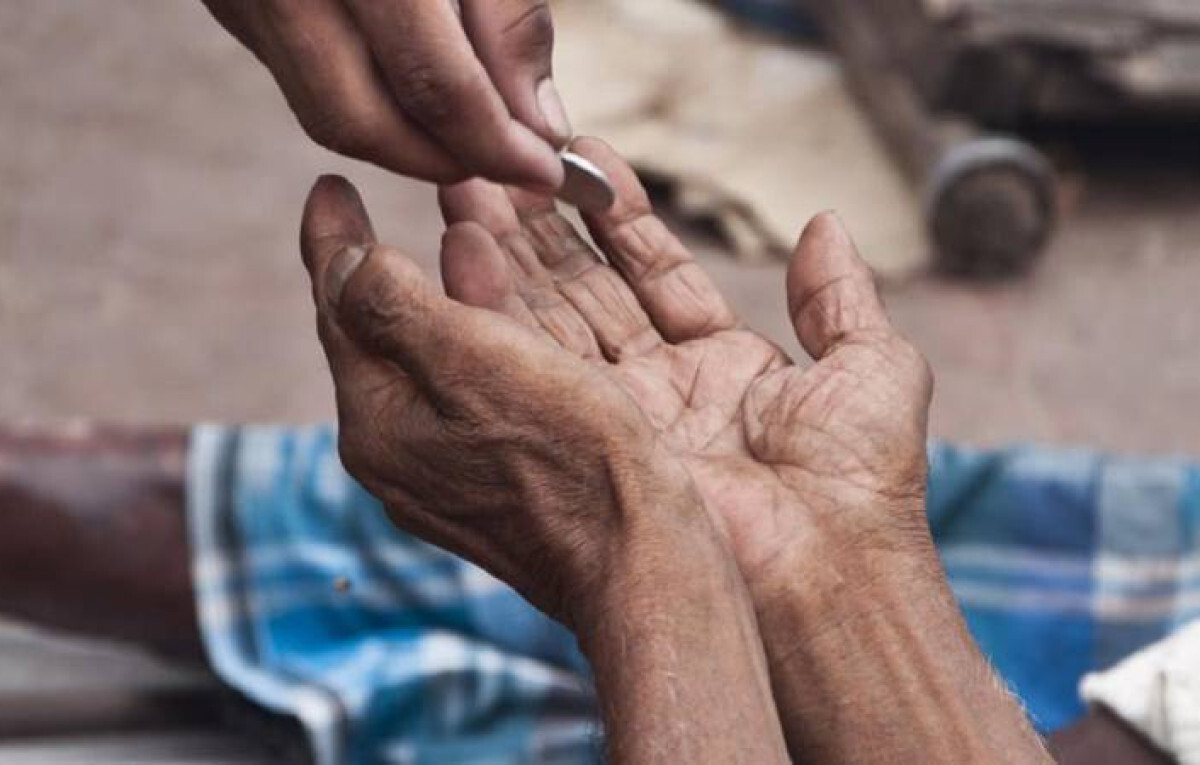
In a country with a population exceeding 230 million, the issue of beggary has reached alarming proportions, with reports suggesting that there are approximately 38 million beggars across Pakistan. The amounts they collect daily are substantial—beggars in Karachi reportedly collect Rs2,000 per day on average, while those in Lahore and Islamabad collect Rs1,400 and Rs950, respectively. Nationally, the average is around Rs850 per beggar.
According to a widely shared report, these beggars collectively extract a staggering Rs32 billion from the public every single day. When calculated on an annual basis, this figure translates into Rs117 trillion, or approximately $42 billion. This poses significant economic concerns, as it highlights the growing scale of non-productive individuals in society, who are consuming a large portion of the nation’s wealth without contributing to its productive sectors.
The report points out that this money, while circulating in the economy, is not being used for the creation of goods or services. Instead, it is simply being spent on existing products, driving up demand and exacerbating inflation, which currently stands at around 21%. This cycle, according to the analysis, inflates prices across the board, further burdening the average consumer.
The economic burden posed by professional beggary has prompted calls for immediate government action. The report argues that eliminating beggary from the country could lead to significant benefits. Drawing comparisons with Bangladesh, which reportedly eliminated beggary and raised $52 billion in just four years, the argument is made that Pakistan too can take steps to reduce the negative impact of this issue on the economy.
While charity is an important part of Pakistani society, the report suggests that the money given to beggars does not contribute to economic growth or development. Rather, it fuels inflation and deprives the country of the potential to channel these resources into more productive sectors.
The solution, the report proposes, is for the government to take decisive steps to provide employment opportunities for those involved in begging, thus enabling them to contribute productively to society. Creating pathways for social reintegration and offering vocational training programs could help transform these individuals from a burden on the economy into active contributors. This, in turn, could help alleviate the inflationary pressures currently facing the country, while promoting a more sustainable and equitable economic growth model.
In conclusion, the situation presents a critical challenge, one that requires urgent attention from both policymakers and civil society. By addressing the root causes of beggary and providing viable alternatives for the affected population, Pakistan can not only reduce the economic strain but also foster a more productive and inclusive society.



Comments