Sunday, 5th April 2026

Khabor Wala Desk
Published: 25th January 2026, 8:53 AM
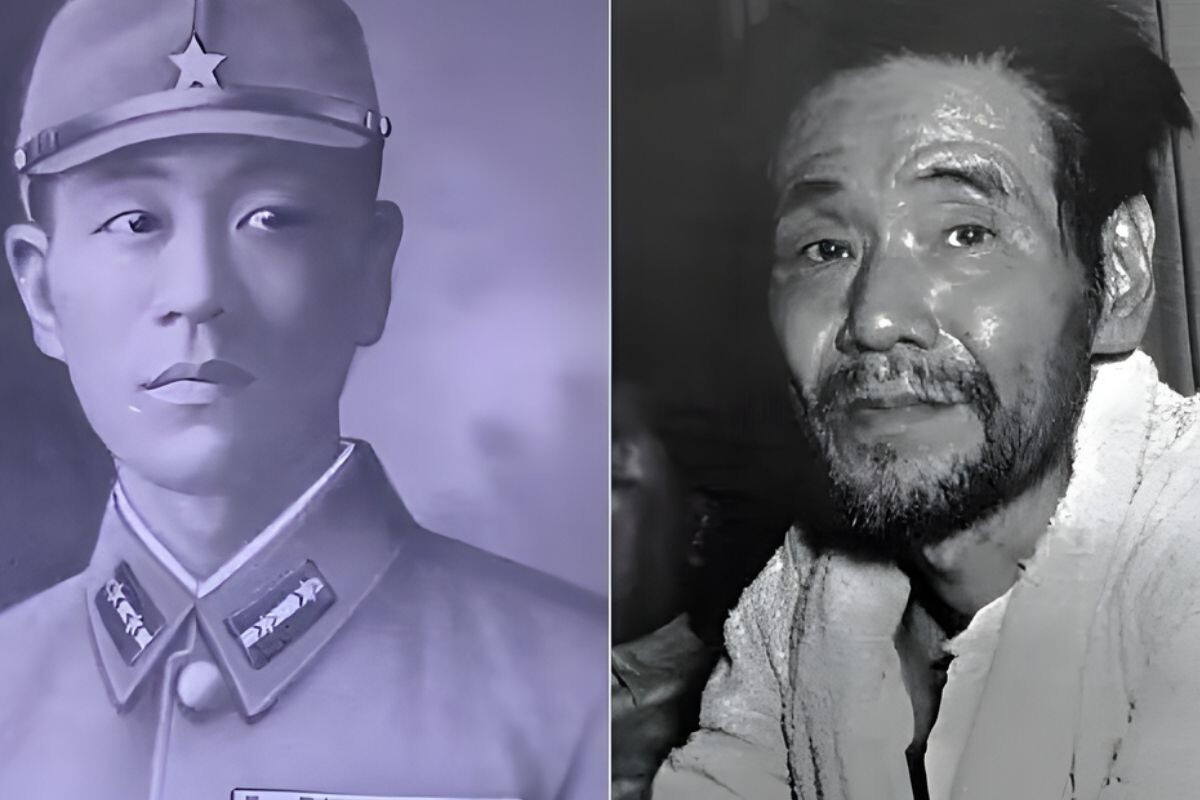
During the Second World War, on the Pacific island of Guam, American and Japanese forces clashed fiercely. Under relentless attack by U.S. troops, Japanese defenders were left in disarray. In the island’s dense jungles, a young Japanese Royal Army lance corporal, Shoichi Yokoi, took refuge with a few comrades, unaware that fate would soon cast him into an extraordinary story of survival.
Yokoi would remain hidden for nearly 28 years. It was not until 24 January 1972 that local hunters discovered him deep in the Guamanian jungle. By then, the war had ended, Japan had surrendered following the atomic bombings of Hiroshima and Nagasaki, and the nation had embarked on a remarkable post-war economic recovery. Yet Yokoi had known none of this; he had survived alone, believing that capture by American forces would bring dishonour to himself, his family, and his country.
Even in solitude, hope lingered. Yokoi clung to the belief that one day, his fellow soldiers would find him and return him home. That day came, and at the age of 57, he was brought back to Japan and celebrated as a war hero. Yet he never fully adapted to the modern comforts and pace of Japanese life.
Born on 31 March 1915 in Shizu, Aichi Prefecture, Yokoi witnessed both world wars. He enlisted in Japan’s Royal Army in 1941. During the July 1944 American offensive on Guam, his platoon’s defences collapsed, and the remaining Japanese soldiers retreated into the island’s thick jungle. Over time, his companions perished from illness, starvation, and natural disasters, leaving Yokoi entirely alone for nearly eight years.
In the jungle, he survived on frogs, river eels, and rats—some of which were poisonous—and crafted an ingenious underground bamboo shelter to protect himself. Even when severely ill, he refused to expose his location to enemy forces, determined to survive in secrecy.
When he was finally discovered, he initially feared being taken prisoner, attempting to arm himself with a hunting rifle despite his frailty. As his grandnephew, Ami Hatashin, recounted, Yokoi had become weak from decades of malnutrition, yet his mind remained alert and cautious.
Two years after his rescue, Hatashin compiled Yokoi’s experiences into a book, first published in Japanese and later translated into English in 2009 as Private Yokoi’s War and Life on Guam, 1944–1972.
After returning to Japan, Yokoi became a public figure, giving interviews, lectures, and sharing his remarkable story. Yet he remained nostalgic for the life he had left behind in the jungle. He revisited Guam several times with his wife, and today, his fishing traps and photographs are displayed in the island’s museum.
Shoichi Yokoi passed away in Nagoya on 22 September 1997, aged 82, leaving behind a legacy of extraordinary endurance, courage, and quiet dignity.
| Year | Age | Event |
|---|---|---|
| 1915 | 0 | Born in Shizu, Aichi Prefecture, Japan |
| 1941 | 26 | Enlisted in Japanese Royal Army |
| 1944 | 29 | U.S. offensive on Guam; retreats into jungle |
| 1964 | 49 | Last surviving companion dies in flood; becomes fully alone |
| 1972 | 57 | Discovered by local hunters on 24 January; returns to Japan |
| 1974 | 59 | Book published in Japanese recounting jungle survival |
| 2009 | 94 | English translation of book released |
| 1997 | 82 | Dies in Nagoya, Japan |


Comments