Sunday, 5th April 2026

Khabor Wala Desk
Published: 24th August 2025, 11:57 AM
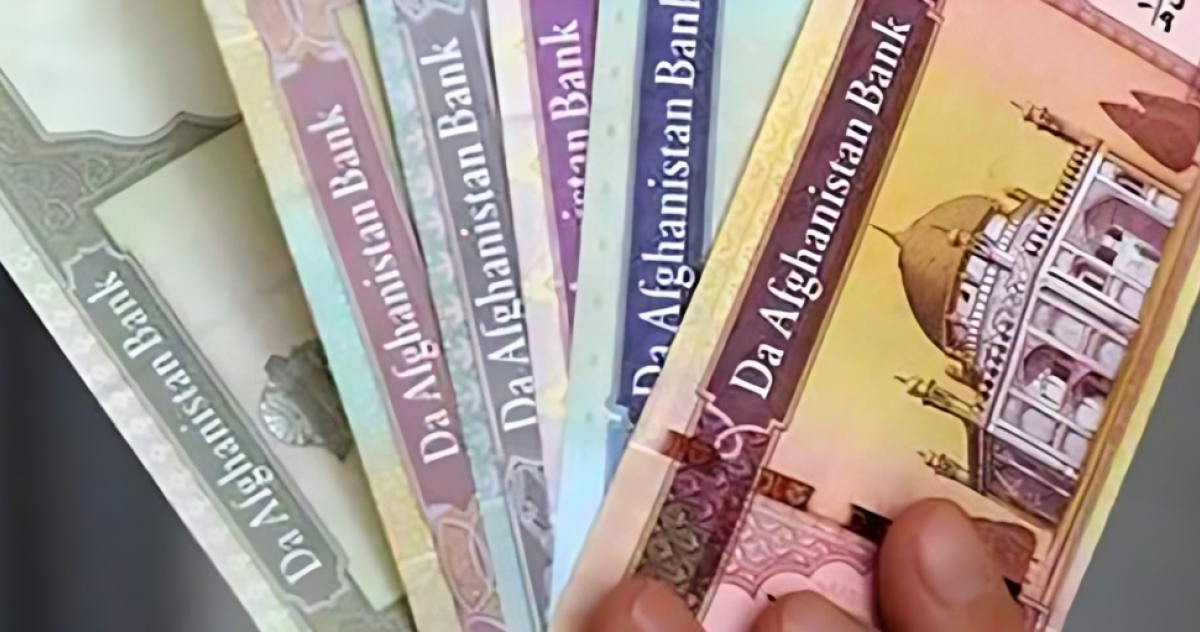
Afghanistan’s national currency, the Afghani (AFN), has appreciated by 21% over the last four years against major foreign currencies, according to the Central Bank of Afghanistan. The most notable improvement has been recorded against the US Dollar, a development seen as a sign of gradual stability in the country’s financial sector.
Hasibullah Noori, spokesperson of the Central Bank, confirmed that the institution is actively working to stabilise the economy through a range of measures. These include:
He stated: “Last year, the Afghani maintained a positive growth of 0.79% against foreign currencies, particularly the US Dollar. This demonstrates that our currency remains stable. Our aim is to ensure that the value of the Afghani does not experience excessive fluctuations in the future.”
At present, Afghanistan’s Central Bank maintains financial transactions with 200 international banks. Authorities are aiming to expand this network, enabling Afghan traders and investors to broaden their business outreach in global markets.
| Indicator | Current Status | Target/Goal |
| Appreciation of Afghani | 21% in 4 years | Maintain stability |
| Growth vs US Dollar | +0.79% (last year) | Further strengthening |
| Partner Banks | 200 | Expansion planned |
| Economic Measures | Currency stabilisation, Banking sector expansion, Financial support | Long-term stability |
Economists note that although progress has been made, Afghanistan’s banking sector continues to face structural challenges. They argue that expanding relations with more foreign banks could help remove barriers and modernise the country’s financial infrastructure.
However, concerns remain about the efficiency of private banks. Many customers have complained about delays and limited access to their funds.
Omid Haidar, a local businessman, voiced frustration over ongoing issues in private banking: “The main challenge we face is that private banks are not cooperating with government banks. Whenever we deposit money in private banks, they often hold it for several months before release. I call upon the government to create a mechanism, through agreements with private banks, so that we can withdraw our funds without such difficulties.”
While the strengthening of the Afghani is seen as a positive development, experts emphasise that sustainable stability will depend on reforms in the private banking sector, stronger international cooperation, and regulatory mechanisms that ensure businesses and citizens alike can access reliable banking services.
Source: TOLO News




Comments