Monday, 6th April 2026

Khabor Wala Desk
Published: 13th February 2026, 4:56 AM
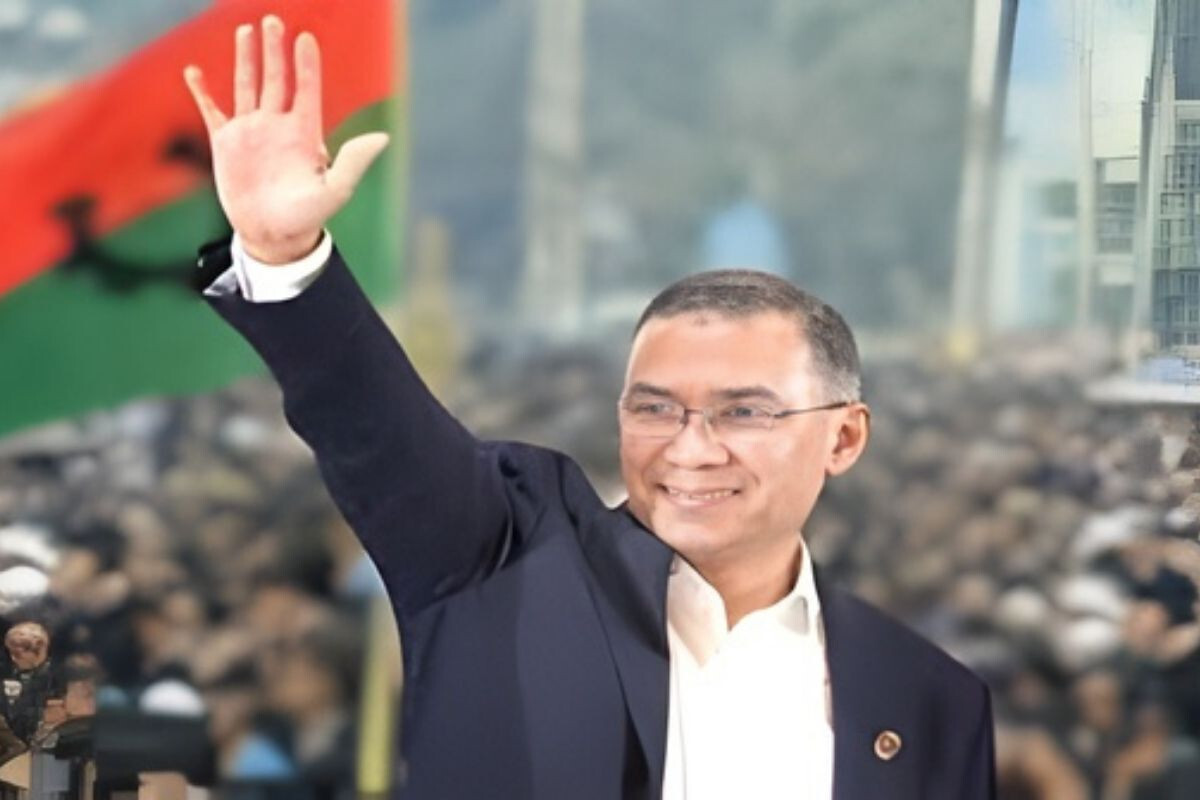
In a landmark outcome of the 13th national parliamentary elections, the Bangladesh Nationalist Party (BNP) and its allied coalition have secured a decisive victory, according to unofficial results released following vote counts on Thursday night (12 February). The BNP-led alliance has reportedly won 210 parliamentary seats, paving the way for the formation of a new government under the party’s leadership.
Party sources have indicated that Tarique Rahman, the BNP chairman, is expected to assume the premiership. This development marks a historic shift for Bangladesh, as the country is set to have a male prime minister for the first time in 35 years.
Historically, Bangladesh has been led by female prime ministers since 1990. The last male prime minister was Kazi Zafar Ahmed, who held office until 1988. Since then, governance has alternated between BNP’s former chairperson Khaleda Zia and the Awami League president Sheikh Hasina, both of whom served multiple terms as the head of government.
The party has emphasised that celebrations of this victory will be conducted in a restrained and orderly manner. The BNP’s press wing stated that there will be no victory processions or large public rallies. Instead, the party plans to observe the occasion through religious thanksgiving prayers across the country, including special ceremonies at mosques and other places of worship.
| Party / Alliance | Seats Won | Notes |
|---|---|---|
| BNP-led alliance | 210 | Clear majority; new government formation likely |
| Awami League-led coalition | TBD | Opposition; awaiting official results |
| Others / Independents | TBD | Minor parties and independent candidates |
Political analysts have noted that this victory reflects both widespread voter support for BNP and a desire for political change after decades of alternating female-led governments. With Tarique Rahman poised to take office, observers anticipate potential shifts in domestic policies, foreign relations, and economic strategies.
The BNP’s careful approach to celebrations signals an intention to project stability and responsibility during this transitional period. Religious observances, rather than public parades, are intended to foster unity and gratitude, while avoiding any escalation of political tensions.
As Bangladesh prepares for a male prime minister after more than three decades, attention now turns to the formal processes of government formation, cabinet appointments, and the policy priorities of the incoming administration. Citizens and international observers alike are watching closely, recognising the historical significance of this political milestone.




Comments