Sunday, 5th April 2026

Khabor Wala Desk
Published: 27th August 2025, 10:17 AM
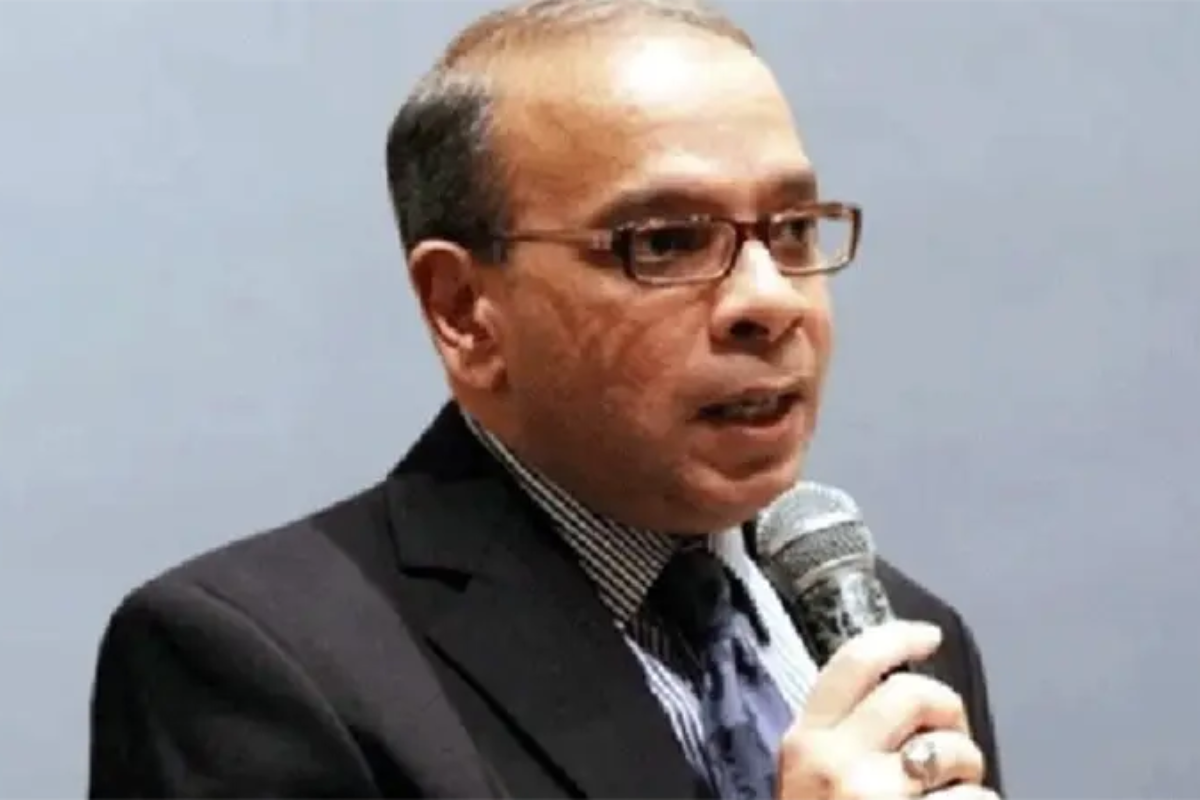
The Chief Justice of Bangladesh has stated that the Appellate Division does not wish to provide a temporary solution by reinstating the caretaker government system. Instead, the division aims to establish an effective and sustainable solution regarding the election-time government, one that cannot be disrupted repeatedly. The Chief Justice emphasised that any measure adopted must have a far-reaching impact on establishing democracy in the country.
He made these remarks on Wednesday, 27 August, during a hearing conducted by a six-member Appellate Bench headed by Chief Justice Dr Syed Refat Ahmed.
The Appellate Division of the Supreme Court is currently reviewing several petitions filed by:
These petitions seek a reconsideration of the verdict abolishing the caretaker government system.
On the previous day, Tuesday, 26 August, the same Appellate Bench postponed the hearing until the following day. At the start of that session, lawyer Shishir Monir argued that all judges who delivered verdicts in favour of abolishing the caretaker government were later appointed as Chief Justices.
On 21 August, appeals were filed by representatives of all major political parties, urging the Appellate Division to hold a prompt hearing on the caretaker government system. Lawyer Shishir Monir submitted the petition before the six-member bench headed by Chief Justice Dr Syed Refat Ahmed, which then set the hearing date.
The caretaker government system was inserted into the Constitution in 1996 through the Thirteenth Amendment.
| Year | Legal/Constitutional Development | Outcome |
| 1996 | Thirteenth Amendment enacted | Caretaker government system introduced |
| 1998 | SC lawyer M. Selimullah & others filed a writ | Challenged the amendment’s legality |
| 2004 (4 August) | High Court verdict | Declared the 13th Amendment constitutional |
| 2005 | Petitioners appealed | Appeal accepted |
| 2011 (10 May) | Appellate Division verdict | Abolished caretaker government |
| 2011 (30 June) | Fifteenth Amendment passed in Parliament | Legalised abolition of caretaker system |
| 2011 (3 July) | Gazette published | Formal implementation of amendment |
The Fifteenth Amendment Act (2011) not only abolished the caretaker government system but also introduced several other constitutional changes.
Chief Justice Dr Syed Refat Ahmed underscored that the Appellate Division’s solution must be comprehensive, ensuring democratic stability and preventing future constitutional deadlocks.




Comments