Sunday, 5th April 2026

Khabor Wala Desk
Published: 12th April 2025, 1:12 PM
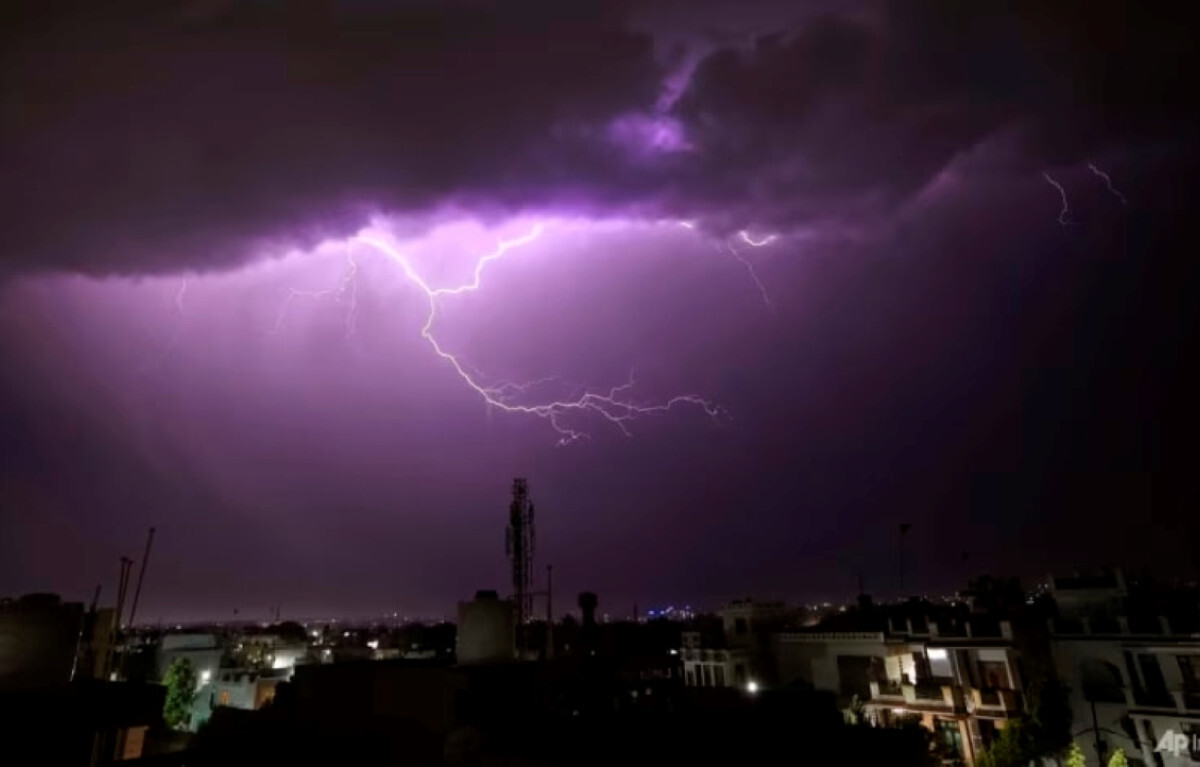
PATNA, India, 12 April 2025 (BSS/AFP) – Unseasonably intense thunderstorms have claimed the lives of at least 69 people across eastern India’s Bihar state and neighbouring Nepal this week, as the region grapples with increasingly erratic weather patterns linked to climate change.
The death toll stands at 61 in Bihar, where violent thunderstorms and lightning struck on Thursday and Friday, according to the Bihar State Disaster Management Authority. Meanwhile, eight more fatalities were confirmed in Nepal, where authorities cited lightning strikes on Wednesday and Thursday as the cause.
“The storms came on suddenly, and many victims were caught unaware in the fields or on the roads,” said a senior disaster response official in Patna.
The India Meteorological Department (IMD) has issued further warnings, with more heavy rain forecast for Saturday, potentially worsening the situation.
Experts have long warned that rising global temperatures are fuelling a dramatic increase in extreme weather events across South Asia — particularly deadly lightning strikes, which have become alarmingly common.
India: Lightning-Related Fatalities:
| Year Range | Annual Average Deaths | Trend |
|---|---|---|
| 1967–2020 | ~2,160 deaths/year | Long-term concern |
| 2010–2020 | Sharp increase | Climate-driven surge |
| 2022 (Single Year)* | ~1,900 deaths | India Meteorological Data |
*Indicative figure cited by environmental reports.
A landmark study conducted by Fakir Mohan University in Odisha found that over 100,000 deaths were caused by lightning in India between 1967 and 2020, with a notable acceleration over the past decade. The findings attributed this rise to changes in air moisture, surface heat, and atmospheric instability — all conditions exacerbated by climate change.
Many victims of lightning and storm-related fatalities in the region are often agricultural workers, rural residents, or children playing outdoors — populations with limited access to early warning systems or protective shelters.
“We are witnessing a tragic pattern where marginalised communities are the first and worst affected by climate shocks,” said a climate resilience expert based in Delhi.
In Bihar, local authorities are now urging citizens to stay indoors during storm alerts, avoid open fields, and take shelter in sturdy buildings.
Both India and Nepal have made strides in improving weather forecasting and early warning dissemination, yet more comprehensive and community-level interventions are needed.
Key suggestions from experts include:
Public education on lightning safety
Mobile alerts for remote villages
Climate-resilient infrastructure in vulnerable regions
Reforestation and landscape management to reduce storm intensity
With climate change continuing to reshape South Asia’s weather systems, meteorologists and disaster response teams warn that such calamitous thunderstorms may become more frequent and more severe.




Comments