Sunday, 5th April 2026

Khabor Wala Desk
Published: 13th January 2026, 10:20 PM
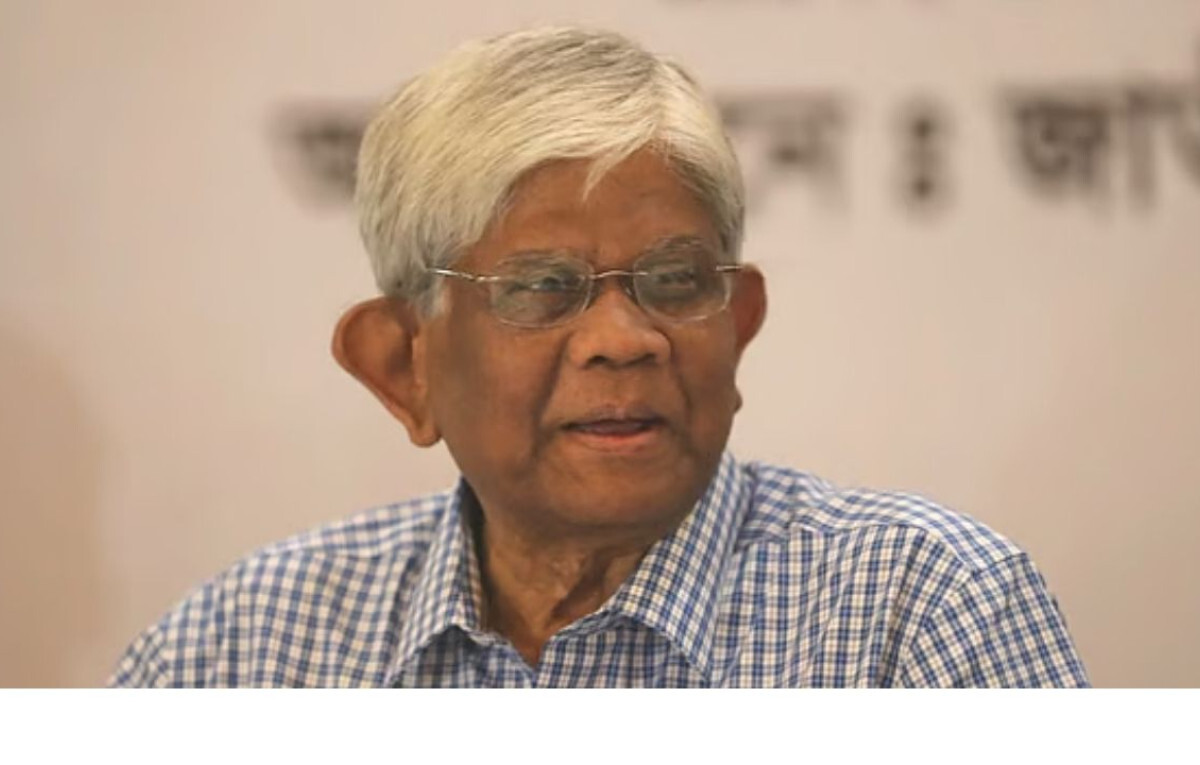
The Finance Adviser to the interim government, Dr Salehuddin Ahmed, has announced a rigorous investigation into the financial reporting and auditing standards of five specific private banks. Speaking to journalists at the Secretariat following a meeting of the Advisers’ Council Committee on Government Purchase on Tuesday, the Adviser confirmed that the authorities are scrutinising the circumstances under which shareholders invested in these institutions and whether they were misled by falsified financial statements.
The investigation focuses on five banks that have recently seen their share values plummet or have reported severe capital shortfalls. These institutions were largely under the influence of a specific industrial conglomerate prior to the political transition on 5 August 2024. The banks under the spotlight include:
First Security Islami Bank
Social Islami Bank Limited (SIBL)
EXIM Bank
Global Islami Bank
Union Bank
Dr Salehuddin emphasized that the auditors responsible for certifying the financial health of these banks prior to 5 August will face disciplinary measures. This comes amidst allegations that these banks showed artificial profits in their annual reports to lure investors, despite harboring massive hidden liabilities and non-performing loans.
When pressed on whether the government would take action against the firms that provided “clean” audit reports for these troubled banks, the Adviser was unequivocal: “Action will certainly be taken. However, everything cannot be disclosed at this moment.”
Addressing the grievances of general shareholders—who claim they purchased stocks based on profitable financial statements—Dr Salehuddin noted that the issue of compensation is highly complex. He contrasted the rights of depositors with those of equity investors:
| Category | Government Stance |
|---|---|
| Depositors | Guaranteed to receive their funds; a straightforward obligation. |
| Shareholders | Purchased equity at market prices to gain ownership; currently being reviewed. |
| Auditors | Facing sanctions for potential negligence or complicity in financial misreporting. |
The Finance Adviser also dismissed a recent Transparency International Bangladesh (TIB) report suggesting that the bureaucracy has become more powerful than the advisers. He termed such shifts in power dynamics as “recurring themes” in the country’s history.
On the subject of inflation, Dr Salehuddin argued that administrative force is ineffective without fundamental reform. “Governance is paramount,” he stated. “You cannot control the prices of consumer goods simply by deploying inspectors or magistrates. That does not happen anywhere in the world without political and economic good governance.”
Finally, responding to recent comments from foreign nations regarding Bangladesh’s economic trajectory, he remained optimistic. He remarked that while political complexities may cause occasional “turns in the road,” the country’s progress is not expected to follow a simple straight line, but the long-term outlook remains positive.


Comments