Sunday, 5th April 2026

Khabor Wala Desk
Published: 5th August 2025, 2:54 PM
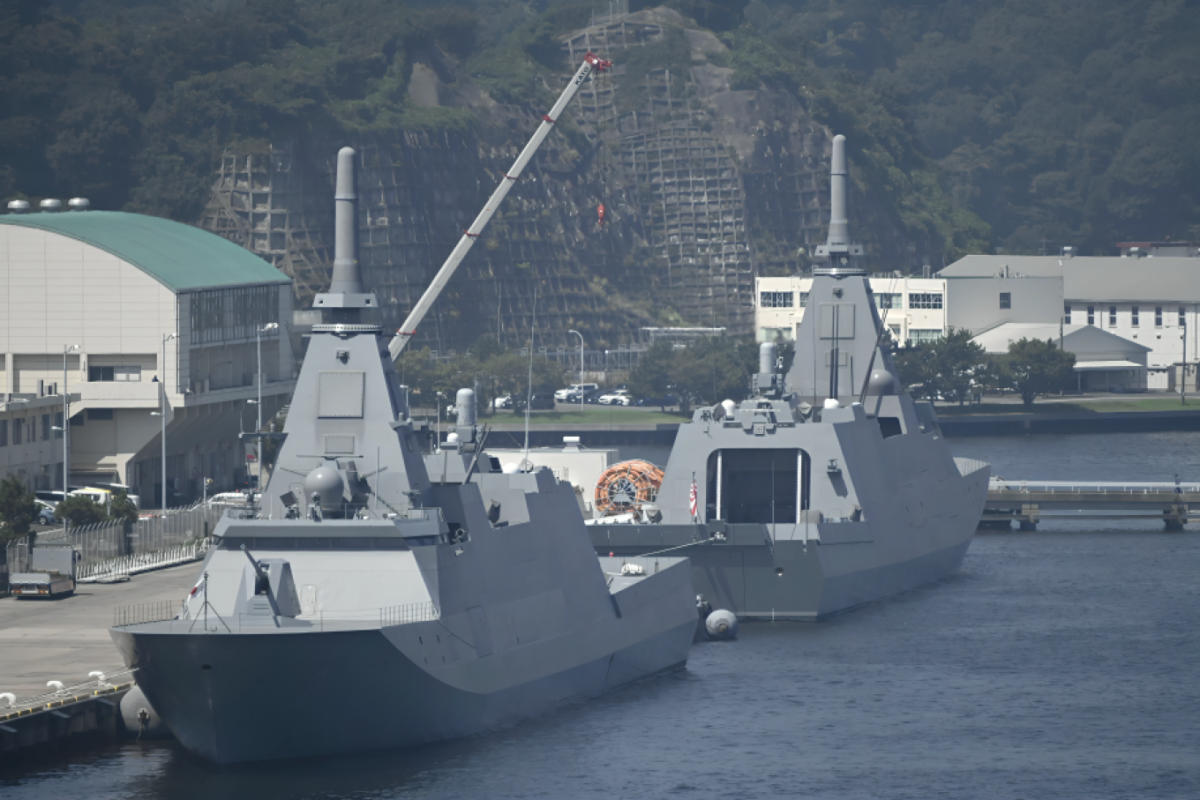
Australia is set to significantly bolster its naval capabilities with the purchase of 11 Mogami-class stealth frigates from Japan’s Mitsubishi Heavy Industries, Defence Minister Richard Marles announced on Tuesday.
This move is part of a broader military overhaul announced in 2023, as Canberra pivots towards long-range strike capabilities in response to China’s growing naval power. The strategic procurement marks a historic milestone in Australia–Japan defence cooperation, with the value of the deal reaching US$6 billion (AUD 10 billion).
Key Details of the Agreement
| Feature | Details |
| Warship Class | Mogami-class stealth frigates |
| Manufacturer | Mitsubishi Heavy Industries (Japan) |
| Competing Bidder | ThyssenKrupp Marine Systems (Germany) |
| Total Warships Ordered | 11 |
| Deal Value | US$6 billion / AUD 10 billion |
| Replacement for | Anzac-class frigates (ageing fleet) |
| First Ship In-Service | By 2030 |
| Domestic Shipbuilding Involvement | First 3 ships abroad; remainder in Australia |
Defence Minister Marles emphasised that the selection was capability-driven and grounded in strategic alignment with Japan:
“This is clearly the biggest defence-industry agreement that has ever been struck between Japan and Australia.”
— Richard Marles, Defence Minister
Mogami-Class: A Next-Generation Naval Asset
The Mogami-class represents a cutting-edge development in naval warfare. These vessels are equipped with advanced stealth technology, and each features 32 vertical launch cells capable of deploying long-range missiles, including Tomahawk cruise missiles, as confirmed by Defence Industry Minister Pat Conroy.
“The Mogami-class frigate is the best frigate for Australia. It is a next-generation vessel. It is stealthy. It has 32 vertical launch cells capable of launching long-range missiles.”
— Richard Marles
“The acquisition of these stealth frigates will make our navy a bigger navy, and a more lethal navy.”
— Pat Conroy, Defence Industry Minister
Strategic Naval Expansion
Australia is on track to more than double its major warship fleet, expanding from 11 to 26 vessels over the next decade. This initiative complements the country’s other high-profile defence agreements, including the controversial AUKUS submarine pact.
| Programme | Description |
| AUKUS Submarine Deal | Acquisition of at least three Virginia-class nuclear-powered submarines |
| Partner Nations | United States and United Kingdom |
| Programme Cost Estimate | Up to US$235 billion over 30 years |
| Reason for Scrapped Plan | Replaced long-standing French non-nuclear submarine development agreement |
While the AUKUS programme aims to redefine Australia’s underwater capabilities, it has drawn scrutiny over its cost, feasibility, and long-term sustainability. Observers have also pointed to recurring issues in Australia’s defence procurement history, including budget overruns, policy reversals, and a focus on job creation at the expense of military readiness.
Defence Budget and NATO Comparison
Australia’s new military expansion is underpinned by a commitment to increase its defence spending to 2.4% of GDP, exceeding the 2% NATO benchmark, though still short of the 3.5% target urged by the United States.
| Metric | Value |
| Current Defence Spending Target | 2.4% of GDP |
| NATO Guideline | 2% of GDP |
| US Expectation | 3.5% of GDP |
With this historic agreement with Japan, Australia signals its determination to remain a potent maritime force in the Indo-Pacific region, bolstering both its strategic deterrence and its global defence partnerships.




Comments