Sunday, 5th April 2026

Khabor Wala Desk
Published: 15th October 2025, 9:08 AM
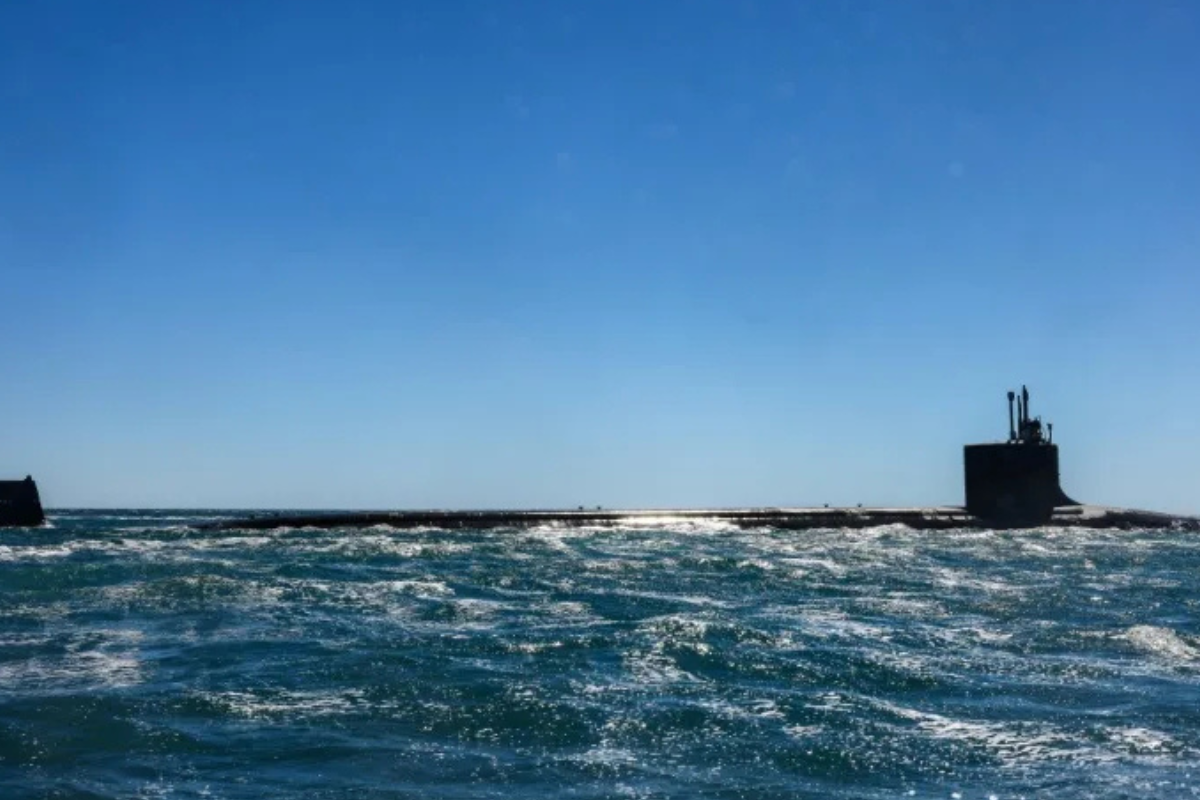
Australia must embrace innovative and unconventional strategies to deter potential threats from China, Russia, and other adversaries, according to a new report released on Wednesday by one of the nation’s foremost think tanks, the Australian Strategic Policy Institute (ASPI)
The report argues that traditional approaches to national security are no longer adequate in an era marked by hybrid warfare, cyber aggression, and geopolitical uncertainty.
| Aspect | Details |
| Think Tank | Australian Strategic Policy Institute (ASPI) |
| Main Recommendation | Adoption of “unconventional deterrence” strategies |
| Primary Threats Identified | China, Russia, North Korea, Iran |
| AUKUS Submarine Deal | Acquisition of at least three Virginia-class submarines from the US within 15 years |
| Estimated Cost | Up to AUD 235 billion over 30 years |
| Current Defence Spending Goal | 2.4% of GDP (below US demand of 3.5%) |
| Proposed Institutional Reform | Re-establishment of a powerful National Security Adviser role |
| Objective | Bridge the current “deterrence gap” until Australia’s submarine capability is realised |
Under the AUKUS pact with the United States and the United Kingdom, Australia is set to purchase nuclear-powered submarines to bolster maritime security in the Indo-Pacific. However, ASPI warns that this capability will take at least 15 years to materialise — leaving a significant short-term vulnerability in the nation’s defences.
The report states: “Australia’s traditional reliance upon ‘great and powerful friends’ and extended nuclear deterrence now seems no longer assured. Australia has options to fill today’s deterrence gap — we just need to look beyond conventional paradigms.”
ASPI’s analysts emphasise that historical examples of smaller forces defeating larger adversaries, such as the Chechen insurgency against Russia in the 1990s, demonstrate the potential of asymmetric strategies.
“History shows that innovative concepts and asymmetric capabilities can achieve deterrent effects ahead of and during conflict,” the report noted.
They also drew comparisons with Singapore’s “poisonous shrimp” doctrine, and the “porcupine strategies” of Switzerland and the Baltic states — defence models designed to make invasion disproportionately costly for aggressors.
The think tank highlighted Beijing’s use of “grey-zone” tactics — cyberattacks, coercive diplomacy, and subversion that fall short of open warfare — as evidence of the need for a more flexible, dynamic, and responsive policy framework.
To address this, ASPI called for:
Australia is in the midst of its largest peacetime military expansion, seeking to strengthen its position in a region increasingly defined by strategic competition with China — which remains its largest trading partner.
The AUKUS submarine programme alone is projected to cost up to AUD 235 billion over the next three decades, drawing criticism from opposition figures and defence analysts who question its sustainability.
Nevertheless, ASPI contends that without a shift toward “unconventional deterrence,” Australia risks falling behind adversaries who are already employing hybrid and irregular strategies.
“Australian concepts of deterrence don’t address the nature of competition as currently practised by China and other autocratic regimes,” the authors warned.



Comments