Sunday, 5th April 2026

Khabor Wala Desk
Published: 3rd August 2025, 2:58 PM
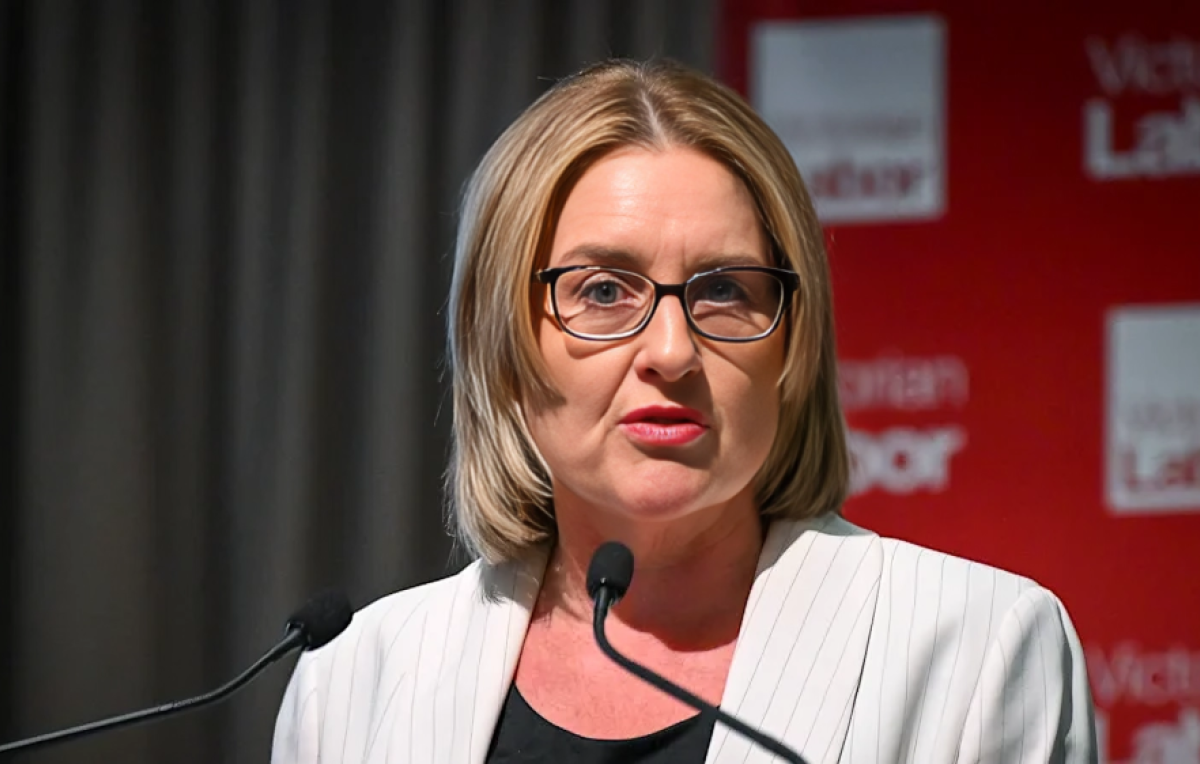
The Premier of Victoria, Jacinta Allan, has unveiled a landmark proposal aimed at enshrining working from home (WFH) into law, framing it as “a right, not a request.” The proposed legislation would entitle eligible employees to work remotely at least two days per week, provided their job functions can be reasonably performed outside the traditional workplace.
Features of the Proposal
| Provision | Details |
| Entitlement | Right to work from home minimum two days a week, if job permits |
| Rationale | Increase productivity, save time and money for families |
| Consultation Process | Will involve workers, employers, and unions |
| Economic Benefit | Potential savings of $110 per week for an average worker |
| Environmental/Social Benefit | Aims to reduce road congestion and retain more women in the workforce |
| Parliamentary Consideration | Proposal expected to be tabled in state parliament next year |
Statement from Premier Jacinta Allan
Speaking at the Labor Party’s state conference on Saturday, Allan said:
“We’re doing this because the evidence is clear — workers are more productive, it saves time for families, and it saves money. This change will mean that any worker who can reasonably do their job from home has the right to do so for at least two days a week.”
She emphasised the importance of getting the policy framework right through comprehensive consultation:
“It’s essential we get the details of this important change right.”
Opposition Reaction
Victoria’s opposition leader, Brad Battin, expressed support for the principle of remote work:
“Work from home arrangements have proven valuable, and I support any measure that fosters better work-life balance.”
This contrasts sharply with the federal opposition Liberal-National coalition, whose national election platform in May included proposals to curb remote working, a move widely believed to have contributed to their electoral underperformance.
The proposal represents a major policy shift in the post-pandemic workplace landscape, and if enacted, Victoria could become the first state in Australia to guarantee remote work rights in law.




Comments