Sunday, 5th April 2026

Khabor Wala Desk
Published: 1st April 2026, 3:46 AM
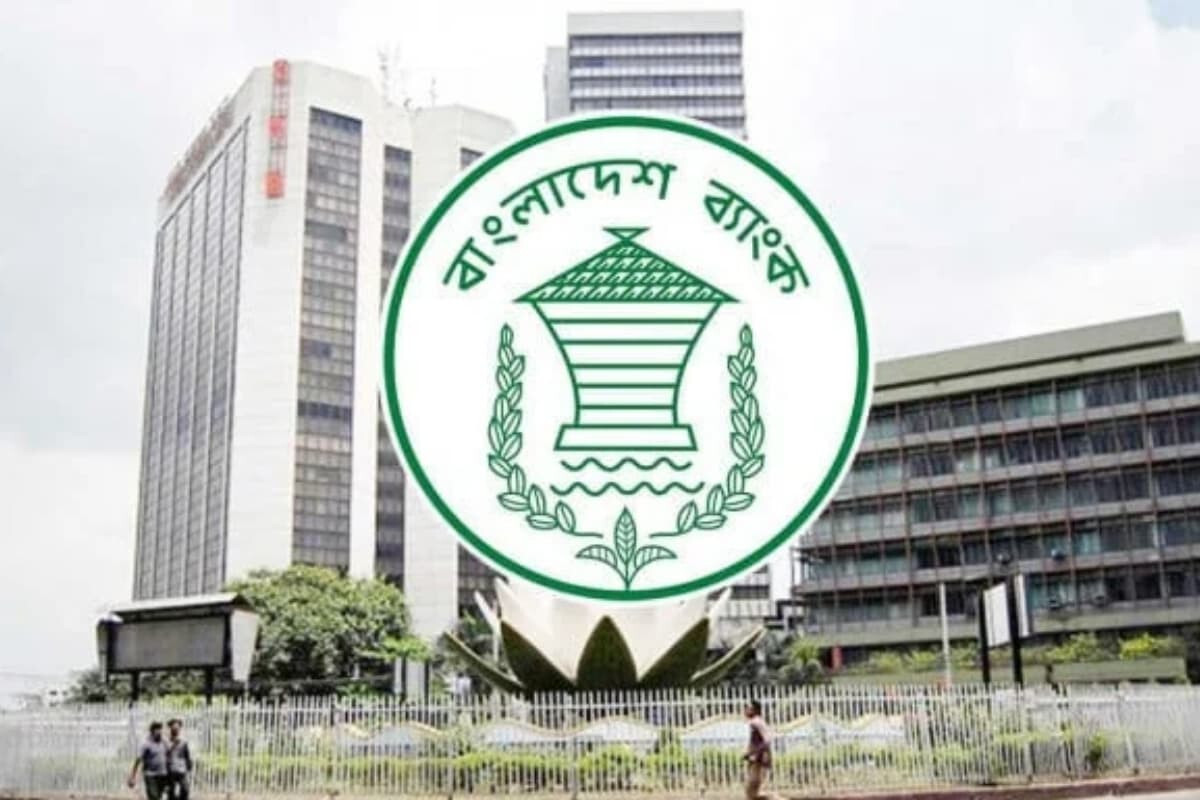
Bangladesh Bank has announced plans to launch an Islamic interbank money market within the current fiscal year, providing Shariah-compliant banks with a formal platform for managing short-term liquidity. The initiative aims to resolve a longstanding limitation in the financial system, as Islamic banks are unable to participate in the conventional call money market due to religious restrictions.
At present, Islamic banks often face liquidity pressures during temporary cash shortages. The new market will allow them to borrow and lend funds among themselves, offering a more efficient and structured approach to liquidity management. The platform will be open to fully-fledged Islamic banks as well as conventional banks operating Islamic branches or windows.
To develop the framework, Bangladesh Bank has studied established practices in countries such as Malaysia, Indonesia, and Bahrain, where Islamic interbank money markets are operational. Discussions with central banks in these regions have informed the design of the proposed system, ensuring both Shariah compliance and operational feasibility.
| Feature | Description |
|---|---|
| Eligible Institutions | Full Islamic banks and Islamic branches of conventional banks |
| Tenor Options | 1, 7, 14, 28, 90, 180 days |
| Borrowing Mechanisms | Collateralised and uncollateralised options |
| Regulatory Oversight | Bangladesh Bank monitoring; no direct intervention |
The system will allow transactions across multiple tenors and support both collateralised and uncollateralised lending. The central bank has circulated a preliminary policy outline among commercial banks for feedback.
Currently, Islamic banks rely on a combination of mechanisms to manage liquidity:
Despite these instruments, banks sometimes depend on central bank support or bilateral arrangements to bridge temporary funding gaps.
Arfan Ali, former Managing Director of Bank Asia, welcomed the initiative: “The interbank market will enable Islamic banks to lend to each other, reducing dependency on the central bank and easing short-term liquidity constraints.”
However, experts caution that the new market is not a solution for deeper structural issues. Newly established or financially weak banks may initially face challenges attracting funds. Mismanagement of interbank borrowing could exacerbate risks, highlighting the importance of careful regulatory oversight.
A senior Bangladesh Bank official noted that the platform will improve monitoring of liquidity demand and supply in the Islamic banking sector, creating a more organised and resilient financial ecosystem.




Comments