Sunday, 5th April 2026

Khabor Wala Desk
Published: 28th January 2026, 2:30 PM
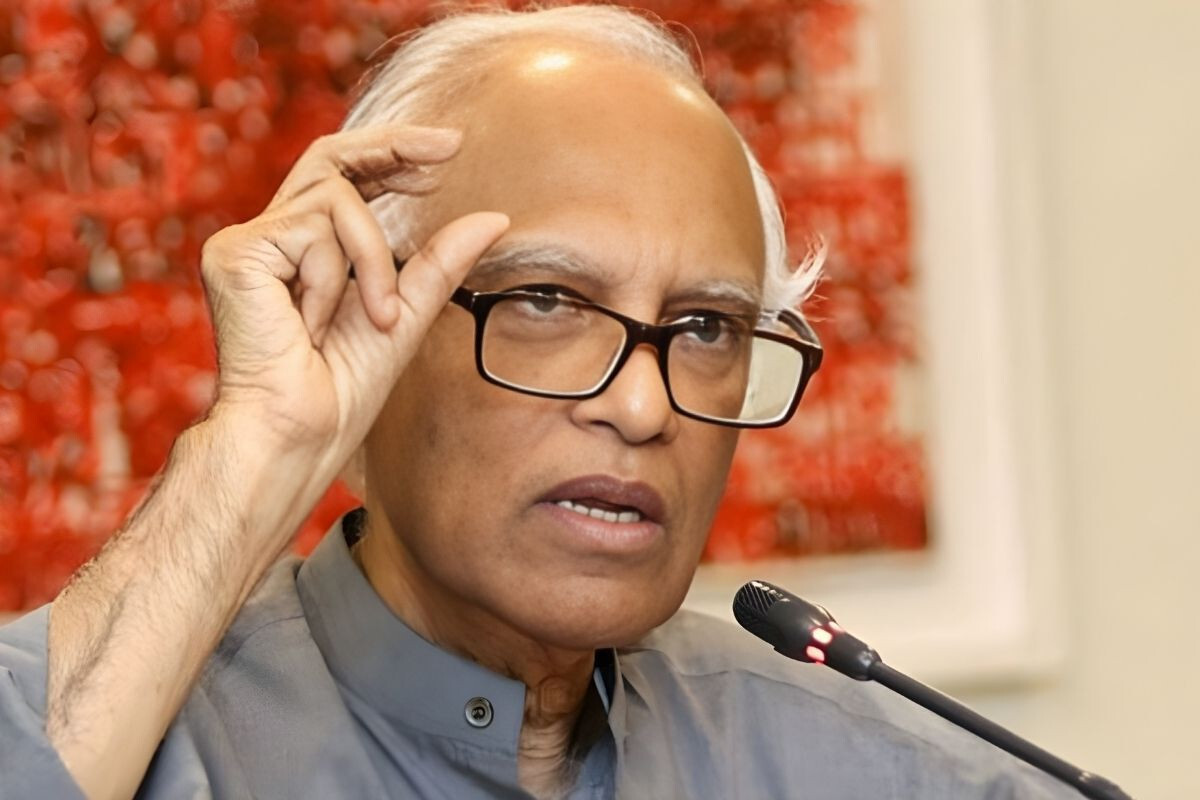
Despite signs of economic recovery, Bangladesh faces significant structural challenges, according to Planning Adviser Dr Wahiduddin Mahmud. Speaking at a seminar titled “Economic Stability and the Challenges for the Next Government” and the ERF Scholarship-2026 Award ceremony in Dhaka on Wednesday (28 January), Dr Mahmud highlighted both progress and persistent vulnerabilities in the nation’s financial and industrial sectors.
“During the previous administration, the discipline of the financial sector had completely deteriorated,” Dr Mahmud observed. “Smuggling and mismanagement had left banks in a precarious condition. Nevertheless, various initiatives by the current government have begun to yield positive results for the economy.”
He noted several encouraging trends: imports of industrial raw materials have increased, export growth has been sustained, and foreign exchange transactions have stabilised. The country’s foreign reserves are gradually rising, and GDP growth is projected to approach five per cent.
Regarding inflation, Dr Mahmud said, “The Governor aimed for a rapid reduction in inflation, but progress is slower than hoped. Point-to-point inflation has now declined from 11 per cent to below 8 per cent.”
The Planning Adviser also addressed credit flow, stating, “Private sector lending has already decreased significantly. In this context, it is worth re-evaluating the need to maintain high interest rates for an extended period, particularly to support small and medium-sized enterprises.”
Looking ahead, Dr Mahmud identified the energy sector as one of the major challenges. “Due to the ongoing gas shortage, a significant portion of electricity generation and industrial output remains unused. While there is potential in solar energy, past projects have failed due to inadequate planning.”
He emphasised that these structural issues must be addressed to ensure sustainable growth and prevent future economic disruptions.
Key Economic Indicators (2026 estimates)
| Indicator | Current Status | Notes |
|---|---|---|
| GDP Growth | ~5% | Positive trajectory, but structural risks remain |
| Inflation (Point-to-Point) | <8% | Down from 11%, gradual decline expected |
| Industrial Raw Material Imports | Increasing | Supports production and export growth |
| Export Growth | Stable | Maintained despite global uncertainties |
| Foreign Reserves | Gradually rising | Enhances stability in forex transactions |
| Private Sector Credit Flow | Reduced | High interest rates under review |
| Energy Sector Utilisation | Limited | Gas shortages constrain industrial output |
Dr Mahmud’s remarks underline that while Bangladesh’s economy shows encouraging recovery, long-term structural reforms—particularly in finance, energy, and industrial planning—remain critical for sustained stability.



Comments