Sunday, 5th April 2026

Khabor Wala Desk
Published: 23rd January 2026, 12:38 AM
As the 13th National Parliamentary Election approaches, the interim government has announced a strategic extension to the public holiday schedule, effectively sending the country into a four-day hiatus. The news, which surfaced following a high-level briefing at the Foreign Service Academy on Thursday, 22 January 2026, has quickly become the most discussed topic across social media platforms.
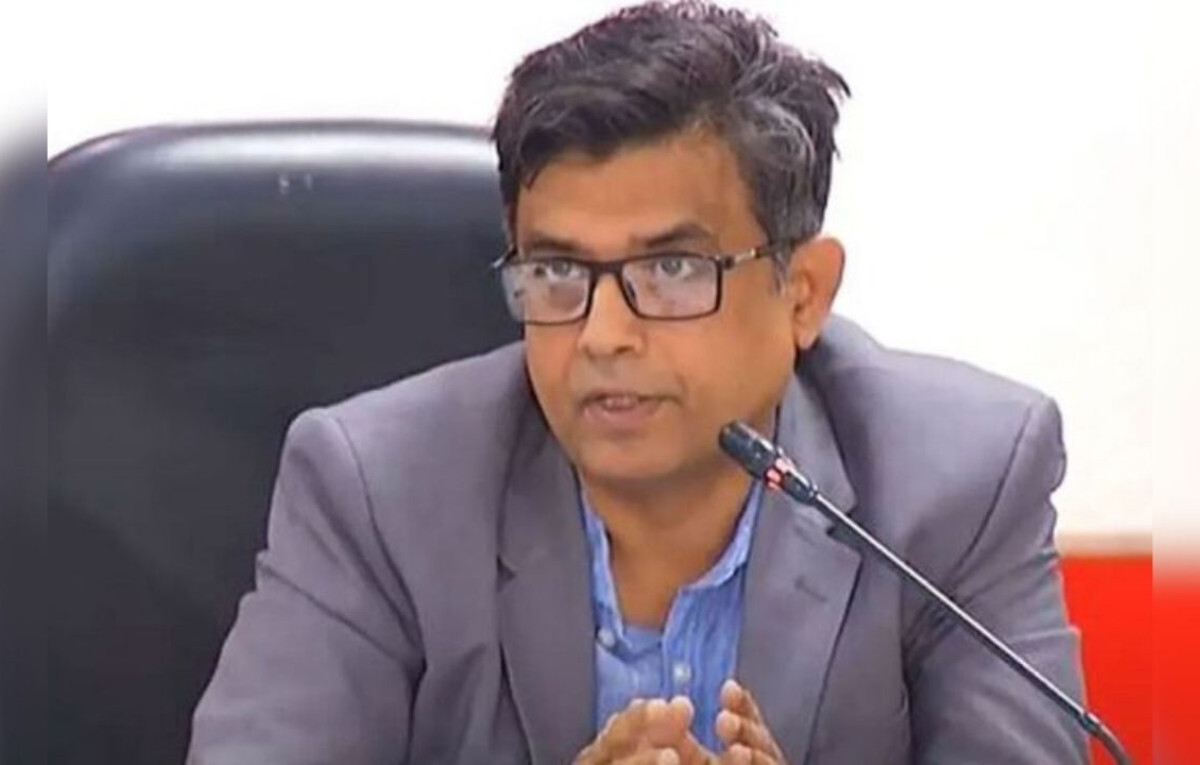
Shafiqul Alam, the Press Secretary to the Chief Adviser, clarified the cabinet’s decision during the afternoon briefing. While 12 February 2026 (Polling Day) had already been designated as a nationwide public holiday, the Advisory Council has now formally approved an additional general holiday for 11 February.
This extension is particularly significant for the country’s massive industrial workforce. To facilitate the movement of millions of labourers from urban industrial hubs back to their ancestral polling districts, the government has mandated holidays on both 10 and 11 February for workers in industrial zones.
| Date | Day | Status | Scope of Holiday |
|---|---|---|---|
| 10 Feb | Tuesday | Approved Holiday | Industrial Workers & Staff Only |
| 11 Feb | Wednesday | General Holiday | Nationwide (Public & Private Sectors) |
| 12 Feb | Thursday | General Holiday | Polling Day (Nationwide) |
| 13 Feb | Friday | Weekend | Regular Weekly Holiday |
| 14 Feb | Saturday | Weekend | Regular Weekly Holiday |
The decision to grant industrial workers an early leave on 10 February is being lauded as a “timely and positive” move. Bangladesh’s economy relies heavily on the Ready-Made Garment (RMG) sector and other heavy industries located primarily in Dhaka, Gazipur, and Chattogram. Historically, these workers face immense logistical hurdles when attempting to travel home for elections, often leading to lower voter turnout or dangerous overcrowding on public transport.
By providing a staggered exit starting from the 10th, the government aims to:
Reduce Traffic Congestion: Distributing the travel load over 48 hours to prevent total gridlock on national highways.
Ensure Franchise Rights: Allowing enough time for workers to reach remote villages across the 64 districts.
Enhance Security: Easing the pressure on law enforcement agencies during the pre-election transit period.
While the stock market and banking sectors will remain closed for the duration of the general holidays, essential services such as hospitals, fire departments, and emergency utilities will continue to operate under special rotas. Economic analysts suggest that while a four-day stoppage may temporarily halt industrial output, the “democratic dividend” of a high-turnout, inclusive election is vital for long-term national stability and investor confidence.
The Press Secretary emphasised that the extra day off is not merely a leisure break but a “civic duty period,” urging all citizens to use the time to safely travel to their respective constituencies and cast their votes.


Comments