Sunday, 5th April 2026

Khabor Wala Desk
Published: 13th December 2025, 9:37 PM
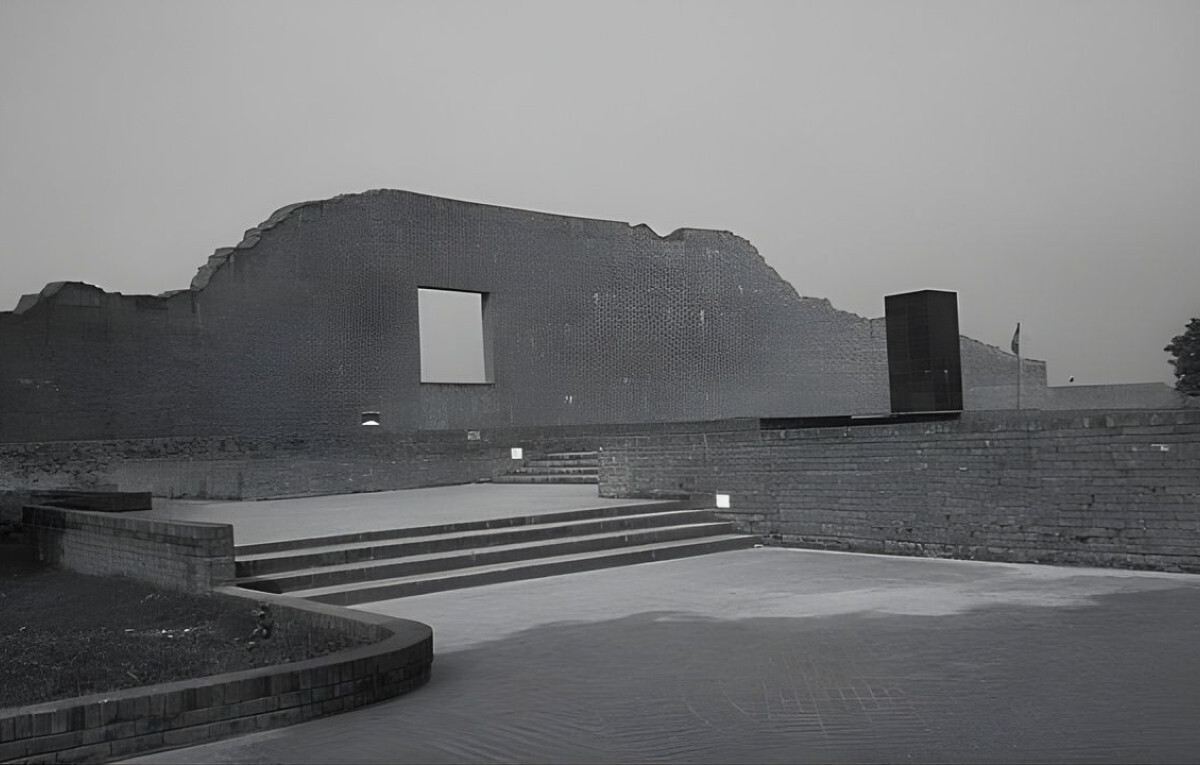
Bangladesh today observes Martyred Intellectuals’ Day, a solemn occasion dedicated to remembering some of the nation’s finest minds who were systematically murdered at the final stage of the Liberation War in 1971. The day stands as a powerful reminder of an unspeakable crime intended to cripple a newborn nation by erasing its intellectual backbone.
On 14 December 1971, as defeat became inevitable, the Pakistani occupation forces and their local collaborators—including the notorious Al-Badr, Al-Shams and Razakar groups—launched a calculated campaign of terror. Renowned academicians, doctors, engineers, journalists, writers, artists, teachers and other eminent citizens were forcibly taken from their homes, blindfolded, and transported to undisclosed locations. There, they were brutally tortured and killed in cold blood.
The bodies of many of these intellectuals were later discovered at Rayerbazar, Mirpur and several other killing fields in Dhaka. These sites have since become enduring symbols of sacrifice and sorrow, bearing silent testimony to a deliberate attempt to annihilate the conscience and leadership of an emerging Bangladesh.
Among the martyrs were towering figures of national life, including Professor Munier Chowdhury, Dr Alim Chowdhury, Professor Muniruzzaman, Dr Fazle Rabbi, journalist Sirajuddin Hossain, writer Shahidullah Kaiser, Professor GC Dev, JC Guha Thakurta, Professor Santosh Bhattacharya, and Mofazzal Haider Chowdhury. The journalistic community lost courageous voices such as Khandaker Abu Taleb, Nizamuddin Ahmed, SA Mannan (Ladu Bhai), ANM Golam Mustafa, Syed Nazmul Haq and Selina Parvin. Their collective loss left a wound that Bangladesh continues to bear more than five decades later.
To mark the day, the interim government has drawn up an extensive programme of remembrance. Floral tributes will be laid at the Martyred Intellectuals Memorial in Rayerbazar and at the Martyred Intellectuals’ Graveyard in Mirpur by government representatives, political leaders, social organisations, freedom fighters and family members of the martyrs. The nation will pause in reflection, honouring those who paid the ultimate price for truth, reason and justice.
On the eve of the observance, President Mohammed Shahabuddin and Chief Adviser Professor Muhammad Yunus issued separate messages, calling upon citizens to uphold the ideals of free thought, secularism and human dignity that the martyred intellectuals embodied.
Special prayers and supplications will be offered at mosques, temples and churches across the country. Bangladesh Television and private broadcasters are airing special programmes highlighting the historical significance of the day, while national newspapers have published commemorative supplements.
Martyred Intellectuals’ Day is not merely an act of remembrance; it is a reaffirmation of national values. By honouring these brightest minds, Bangladesh renews its pledge to build a society rooted in knowledge, justice and humanity—ensuring that the voices silenced in 1971 continue to guide the nation’s conscience.


Comments