Sunday, 5th April 2026

Khabor Wala Desk
Published: 23rd May 2025, 7:49 PM
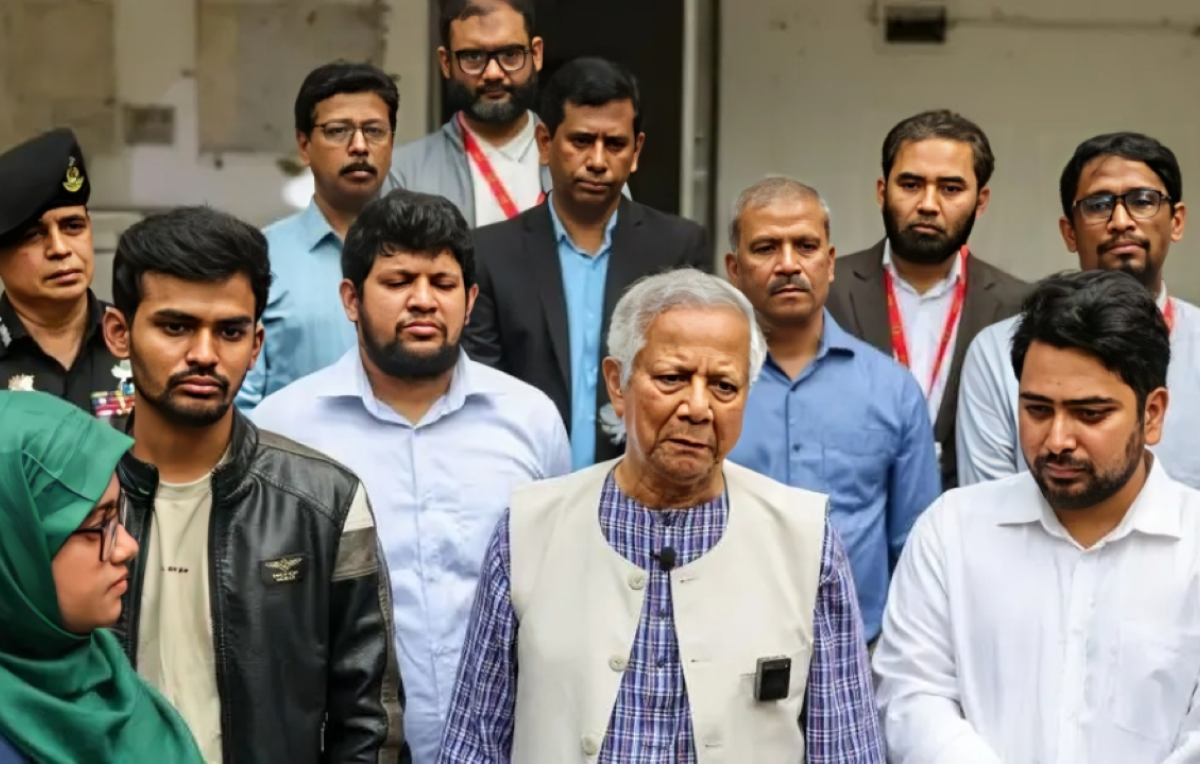
Dhaka, 23 May 2025 – Bangladesh’s interim government is facing an unprecedented political crisis, following reports that Chief Adviser Professor Muhammad Yunus has expressed his intention to resign. The development has cast a shadow over the stability and future of the caretaker administration, which was originally formed with the consensus of all major political parties.
The political storm erupted as Professor Yunus, globally renowned for his Nobel Peace Prize and contributions to microfinance, reportedly conveyed his desire to step down during an unscheduled meeting with fellow advisers on Thursday. During the session, he cited mounting frustration and institutional hurdles, including a lack of cooperation from political parties, which have made governance virtually impossible.
| Factors | Details |
| Political Gridlock | Failure to secure bipartisan cooperation has stalled governance mechanisms. |
| Growing Opposition Pressure | The BNP has launched street programmes and signalled withdrawal of support. |
| Military Involvement Concerns | Army Chief’s recent comments have stirred debate over military neutrality. |
| Civic Unrest and Misinformation | Rising street violence and public confusion over government legitimacy. |
The situation is unfolding at a time when:
The army chief’s remarks, later leaked to the media, have heightened speculation about potential military influence in civilian matters, fuelling anxieties about democratic backsliding.
According to sources present at Thursday’s emergency meeting:
“Professor Yunus voiced deep concern over the inability to function effectively due to persistent political obstructionism. He expressed his frustration at the lack of commitment from major parties and questioned the practicality of continuing under such conditions.”
Political analysts suggest this is a pivotal moment for Bangladesh’s fragile democratic process. While some civil society members empathise with Professor Yunus’s frustrations, others argue that resignation would worsen instability and embolden anti-democratic elements.
| Stakeholder | Reaction Summary |
| Civil society | Calls for dialogue and de-escalation to support the interim government’s mandate. |
| BNP leadership | Quietly critical of the government, using the situation to push for early elections. |
| Awami League insiders | Divided over Yunus’s role, some seeing his resignation as inevitable. |
Bangladesh has a long tradition of caretaker governments during election periods to ensure neutrality. However, in recent years, this tradition has come under strain due to increasing polarisation and distrust between major parties.
Professor Yunus’s reported resignation consideration is not just a personal decision—it may well reshape the political trajectory of Bangladesh. With rising street unrest, fragile institutional cooperation, and potential military entanglement, the nation finds itself once again at a democratic crossroads.

Comments