Sunday, 5th April 2026

Khabor Wala Desk
Published: 9th March 2026, 12:26 AM
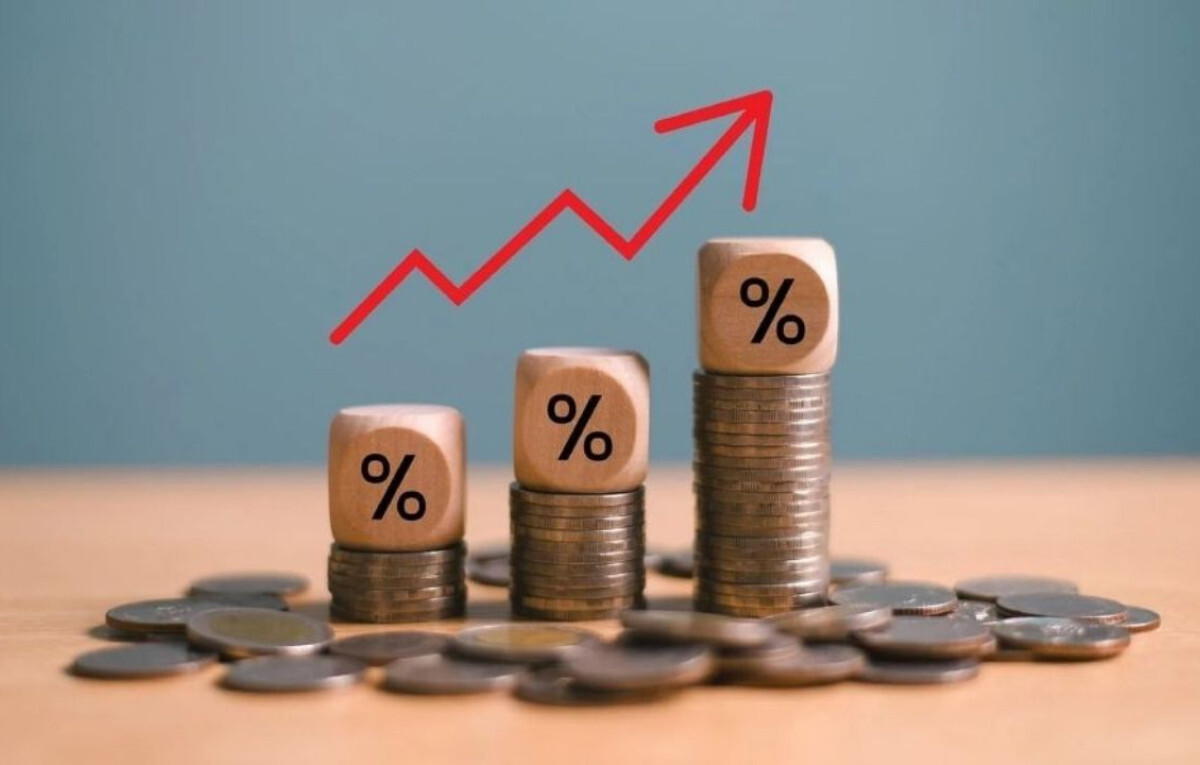
In a discouraging turn for the national economy, headline inflation in Bangladesh has once again breached the 9% threshold, according to the latest data released by the Bangladesh Bureau of Statistics (BBS). For the month of February, overall inflation climbed to 9.13%, marking the first time in nine months that the rate has entered the nine-per-cent bracket. This figure represents the highest inflationary pressure the country has faced since April of last year.
The leap from January’s figure of 8.58% to February’s 9.13% indicates a sharp acceleration in the cost of living. To find a comparable peak, one must look back to April 2023, when inflation stood at 9.17%. While there had been slight moderations in previous months, the current trend suggests that the central bank’s recent adoption of a contractionary monetary policy has yet to fully dampen the rising price index.
The primary engine behind this surge is the soaring cost of food. Food inflation jumped significantly from 8.29% in January to a staggering 9.30% in February. This shift reflects a volatile local market where the prices of daily essentials—including rice, lentils, and vegetables—remain prohibitively high for the average consumer. This is particularly concerning as food costs represent the largest portion of the monthly expenditure for low-to-middle-income households.
The inflationary pressure is not confined to the kitchen. Non-food inflation also witnessed a notable increase, rising from 8.81% in January to 9.01% in February. This suggests that price hikes are becoming systemic across the economy, affecting sectors such as:
Housing and Utilities: Increased maintenance and rent costs.
Transport: Higher fuel prices and fare adjustments.
Health and Clothing: Rising costs of medical services and imported fabrics.
The following table illustrates the recent volatility in the Consumer Price Index (CPI) over key reporting periods:
| Month | Overall Inflation | Food Inflation | Non-Food Inflation |
|---|---|---|---|
| April 2023 | 9.17% | 8.84% | 9.72% |
| May 2023 | 9.05% | 8.61% | 9.55% |
| January 2024 | 8.58% | 8.29% | 8.81% |
| February 2024 | 9.13% | 9.30% | 9.01% |
Despite the Bangladesh Bank’s efforts to curb liquidity through higher interest rates, the 12-month average inflation remained above 8.5% as of January. Economists warn that unless supply-side constraints are addressed—specifically relating to import costs and market syndicates—the burden on the general public will continue to intensify.
The persistent rise in both food and non-food categories indicates that the “cost-of-living crisis” is entrenching itself, requiring more than just monetary adjustments to resolve.




Comments