Sunday, 5th April 2026

Khabor Wala Desk
Published: 21st August 2025, 1:38 PM
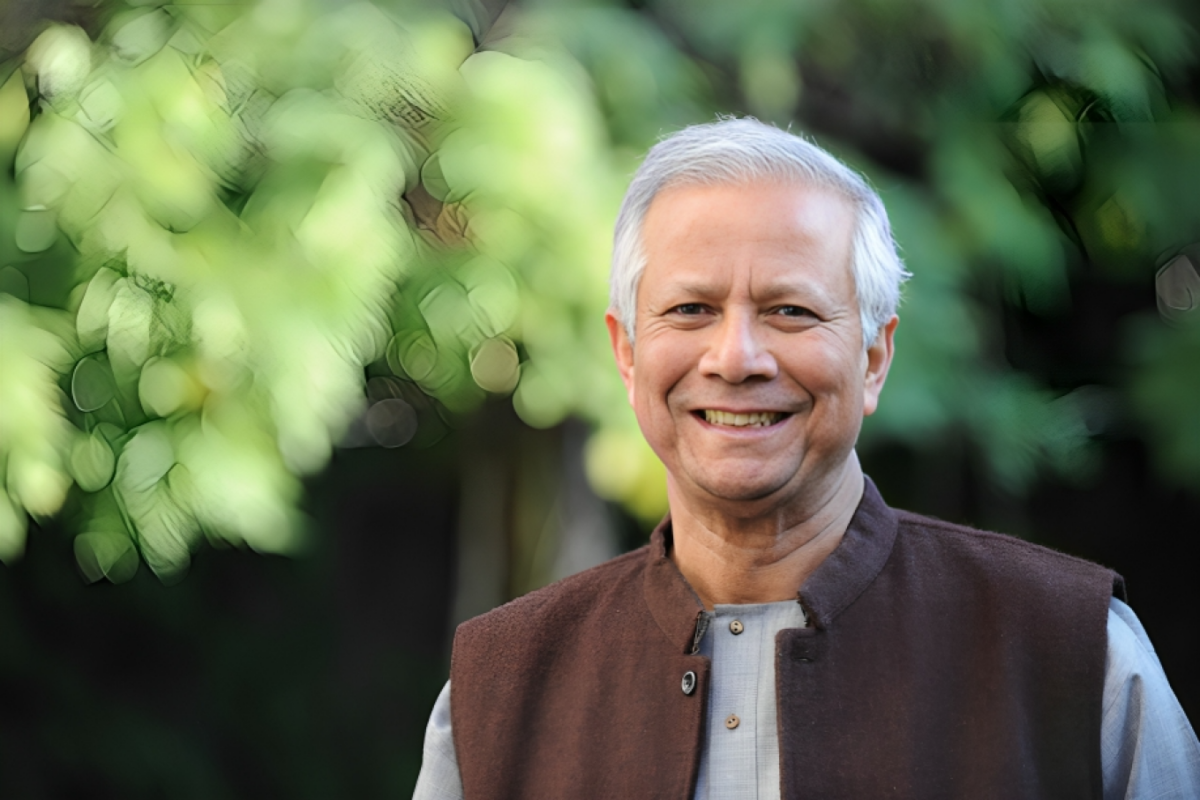
Dr. Muhammad Yunus, chief adviser of Bangladesh’s interim government, has published a detailed article in the Utah-based Deseret News, outlining the nation’s recent political developments, reforms, and the upcoming national elections. The piece was released on Thursday, 21 August, providing clarity on the election schedule and his future role.
Dr. Yunus confirmed: “I have made it clear: the national election will be held next February. After that, I will not hold any elected or appointed position in the new government.”
He emphasised that his administration’s primary objective is to organise a free, fair, and peaceful election, where political parties can present their agendas to voters. He also highlighted the importance of enabling all eligible citizens, including Bangladeshi expatriates, to participate in the vote.
Dr. Yunus reflected on the events leading to his appointment: “A year ago, thousands of courageous and determined students, backed by countless supporters across society, ended a dark chapter in our nation’s history. Their peaceful protests, ultimately met with brutal suppression, compelled a dictator to leave the country on 5 August.”
Following this power vacuum, student leaders requested Yunus to lead the interim government, tasked with stabilising the nation and laying a foundation for democracy. Initially hesitant, Yunus was persuaded by the commitment of the young activists and took the oath as chief adviser on 8 August 2024, alongside a council of civil society leaders.
Dr. Yunus outlined several priorities of his administration:
Dr. Yunus stressed the importance of lasting democratic reforms: “Our administration’s mission is to conduct a free, fair, and peaceful election where all political parties can communicate their plans to voters. We are committed to allowing every eligible citizen, including those abroad, to cast their votes. This is a monumental task, but one we are dedicated to completing.”
He also highlighted ongoing efforts to propose comprehensive constitutional reforms, aimed at preventing future autocratic rule in Bangladesh.
Political and Social Reforms
Dr. Yunus acknowledged support from international partners:
| Country / Organisation | Role / Support |
| United States | Presidential and ministerial support; trade discussions with Marco Rubio |
| United Kingdom | Diplomatic assistance and advisory |
| Japan | Development support; discussions on regional stability |
| European Union | Technical and financial assistance |
| World Bank Group | Economic guidance and recovery support |
| United Nations | Oversight and advisory role |
Source: Deseret News




Comments