Sunday, 5th April 2026

Khabor Wala Desk
Published: 26th January 2026, 11:21 PM
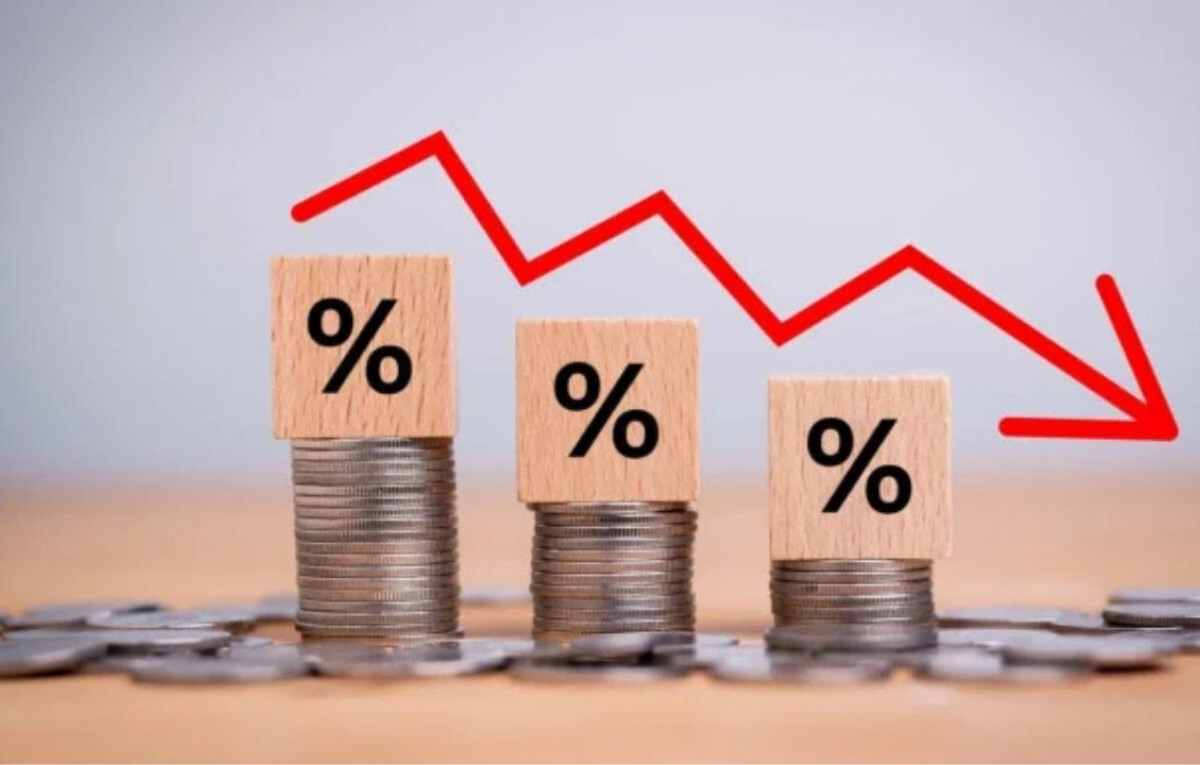
The contraction of Bangladesh’s private sector credit growth intensified in December 2025, marking the seventh consecutive month that lending has remained below the 7% threshold. New data reveals that private sector credit growth plummeted to 6.20%, a sharp decline from the 6.58% recorded in November and significantly lower than the 7.28% seen in December 2024.
This sustained deceleration signals a deepening stagnation in the industrial landscape, as the central bank’s actual figures failed to meet the 7.2% target projected in its monetary policy.
Economists and senior bankers attribute this malaise to a trifecta of high inflation, soaring interest rates, and lingering political instability. The reluctance of businesses to undertake new projects has led to a collapse in the demand for credit. Professor Mustafizur Rahman, Distinguished Fellow at the Centre for Policy Dialogue (CPD), noted that the investment drought is likely to persist until the next general election.
“Lower investment will inevitably worsen unemployment and slow GDP growth,” Professor Rahman warned, adding that persistently high inflation remains the primary anchor weighing down private sector expansion.
| Period | Credit Growth (%) | Status |
|---|---|---|
| July 2024 | 10.13% | Last double-digit growth |
| December 2024 | 7.28% | Steady decline begins |
| October 2025 | 6.23% | Previous record low |
| November 2025 | 6.58% | Minor fluctuation |
| December 2025 | 6.20% | Current historic low |
The industrial sector has been particularly hard hit following the political transitions earlier in the year. Several prominent conglomerates, including the Nassa, Beximco, and Gazi groups, have faced factory closures or significant production cuts—some by as much as 60–70%. This is reflected in Bangladesh Bank’s data, which shows a 16% decline in the settlement of liabilities for capital machinery imports between July and November.
Furthermore, the 10% policy rate—maintained by the central bank to combat 8.49% headline inflation—has pushed average bank lending rates into the 11–12% range. Mohammad Hatem, President of the BKMEA, emphasised that “doing business with such high interest rates has become nearly impossible,” leading many firms to reduce their reliance on bank borrowing entirely.
With the private sector in retreat, commercial banks have fundamentally reshaped their balance sheets. Rather than extending risky loans to businesses, banks are increasingly funnelling liquidity into government securities.
Risk-Free Returns: Banks are earning nearly 11% interest on Treasury bills and bonds.
Government Demand: The government increased its borrowing by an additional Tk 10,000 crore outside the regular calendar in the final quarter of 2025.
Profitability Shift: Stronger private banks are reporting increased profits, not through traditional lending, but via these government-backed instruments.
While this shift provides a temporary lifeline for the banking sector’s bottom line, it underscores a worrying “crowding out” effect, where the state’s fiscal needs and risk-aversion in the banking sector leave the private industry—the engine of economic growth—starved of capital.



Comments