Sunday, 5th April 2026

Khabor Wala Desk
Published: 22nd December 2025, 9:34 PM
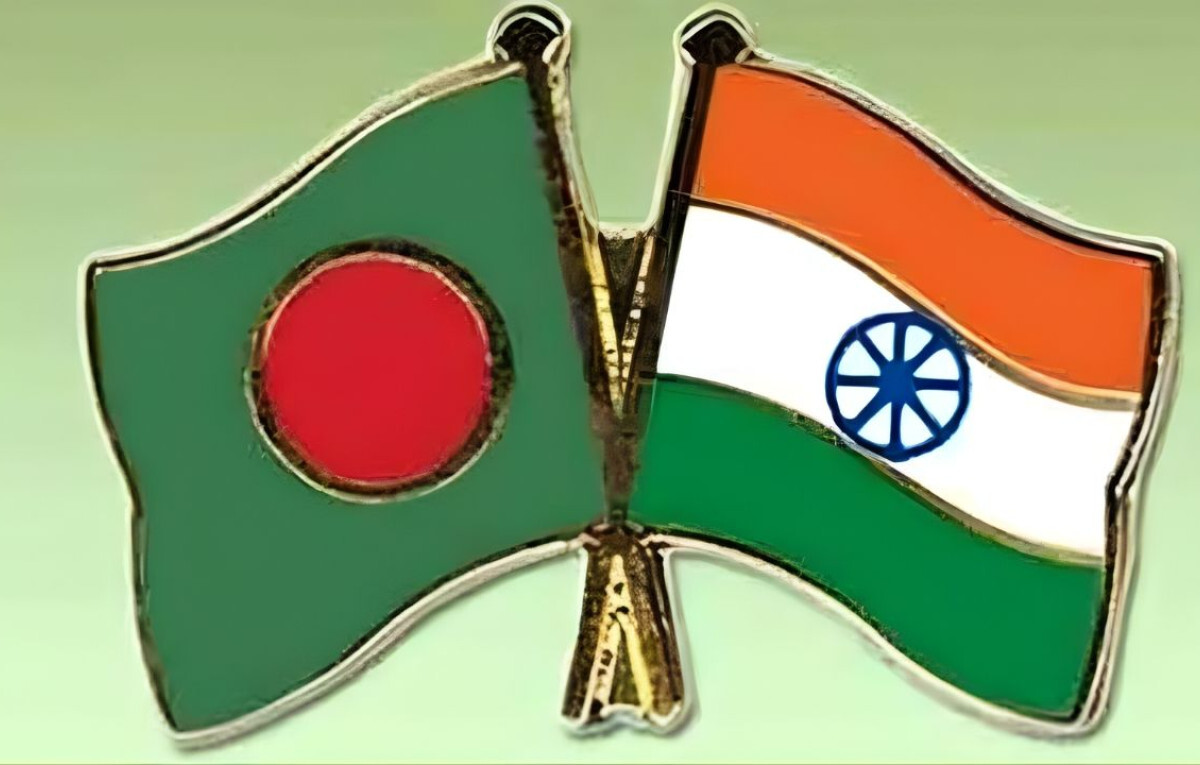
Relations between Bangladesh and India are increasingly strained, with tensions deepening over security concerns, diplomatic incidents, and political disputes since the dramatic political shift of 5 August. Recent developments suggest that both countries are grappling with heightened mistrust, raising fears that bilateral ties could face a prolonged period of instability.
The latest sign of tension emerged on Monday when the Indian Visa Application Centre (IVAC) in Chattogram suspended its operations indefinitely, citing security risks. This followed last week’s partial closures of visa centres in Dhaka, Khulna, and Rajshahi, which were disrupted for a day after protests raised concerns about staff safety. These closures highlight how political disagreements are increasingly affecting consular services and people-to-people exchanges.
At the diplomatic level, Dhaka and New Delhi have issued conflicting accounts of a protest near the Bangladesh High Commission in New Delhi. India’s Ministry of External Affairs spokesperson, Randhir Jaiswal, stated that a small group of 20–25 youths staged a brief protest on Saturday over the killing of garment worker Dipu Chandra Das in Mymensingh. He emphasised that the protesters did not breach security barriers or create a serious threat and criticised what he called “misleading narratives” in sections of the Bangladeshi media.
Bangladesh, however, strongly rejected this account. Foreign Affairs Adviser Md Touhid Hossain said the mission is located in a highly secure diplomatic zone where such demonstrators should never have gained access. According to him, the protesters went beyond slogans and issued threats against High Commissioner Reaz Hamidullah, who lives on the premises with his family. With only two guards on duty, Bangladeshi officials felt alarmed and stressed that it is the host country’s responsibility to ensure the complete security of foreign missions.
The current deterioration is also linked to former Prime Minister Sheikh Hasina’s departure to India on 5 August. Following her exit, India imposed stricter visa regulations and trade restrictions, while Bangladesh limited imports of Indian yarn through land ports. Dhaka has repeatedly objected to Sheikh Hasina’s continued presence in India and her political statements from abroad. Although Bangladesh formally requested her extradition twice after the International Crimes Tribunal handed down a death sentence, India’s External Affairs Minister S. Jaishankar recently indicated that her return is unlikely in the near term.
Tensions were further inflamed by reports that suspects in the killing of Inqilab Manch leader Sharif Osman Hadi fled to India. Dhaka demanded action, but India rejected allegations of harbouring individuals involved in anti-Bangladesh activities. Both countries have summoned each other’s envoys over security and election-related concerns, reflecting deepening mistrust.
Analysts warn that without sustained dialogue, restraint, and mutual confidence-building measures, the relationship risks sliding into a prolonged diplomatic chill, affecting not only security and trade but also regional stability in South Asia.

Comments