Sunday, 5th April 2026

Khabor Wala Desk
Published: 24th February 2026, 7:31 AM

Following recent political shifts in Bangladesh, the national economy entered a period of instability, resulting in a marked slowdown in loan recovery across the banking sector. Private banks, in particular, faced significant challenges in recovering debts from large and influential borrowers after the fall of the Awami League government. During this period, many major debtors sought to extend repayment terms, made partial payments, or deposited only the minimum amounts instead of settling their loans in full.

While several banks adopted lenient approaches to reduce non-performing loans (NPLs), Bank Asia implemented a strategic and structured recovery model. The bank focused on realistic cash flow assessments, meticulous verification of debt-to-asset ratios, judicious application of new capital, and the enhancement of collateral quality. These measures proved highly effective: by mid-2025, NPLs among some major clients had temporarily risen to 19%, but through targeted interventions, this figure fell below 5% by year-end.
Facilitating borrower repayments through the sale of business assets
Taking legal action and imposing travel restrictions against deliberate defaulters
Seizing mortgaged and liened assets
Confiscating land and company shares owned by entrepreneurs
| Year | Deposits (BDT crore) | Operating Profit (BDT crore) | NPL Ratio (%) |
|---|---|---|---|
| 2023 | 33,769 | 1,153 | 6.7 |
| 2024 | 41,655 | 1,705 | 11.4 |
| 2025 | 45,648 | 1,913 | <5 |
By 2025, Bank Asia’s capital adequacy ratio reached nearly 16%, and its loan-to-deposit ratio fell below 60%, reflecting robust cash flows and disciplined risk management.
The bank played a strategic role in project asset sales, including the transfer of ownership of Abdul Monem Sugar Refinery and RobiNtex Group assets, as well as shares in spinning mills, all of which supported loan recovery efforts. Strict legal measures were enforced against persistent defaulters, exemplified in cases such as Prime Ship Recycling and Mukha Multilayer Company, ensuring asset-based enforcement.
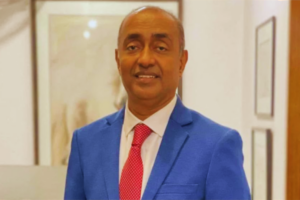
Commenting on the bank’s approach, Managing Director Sohel R. K. Hossain stated, “Rather than relying on a single method, we adopted a multi-faceted strategy. This has strengthened both loan recovery and asset quality. Our goal is to position Bank Asia among the nation’s top-tier banks through efficient and professional banking practices.”
In summary, Bank Asia’s innovative strategies, prudent financial assessments, and decisive legal actions have successfully reduced NPLs and set a new benchmark in Bangladesh’s banking sector.


Comments