Monday, 6th April 2026

Khabor Wala Desk
Published: 3rd January 2026, 11:12 AM
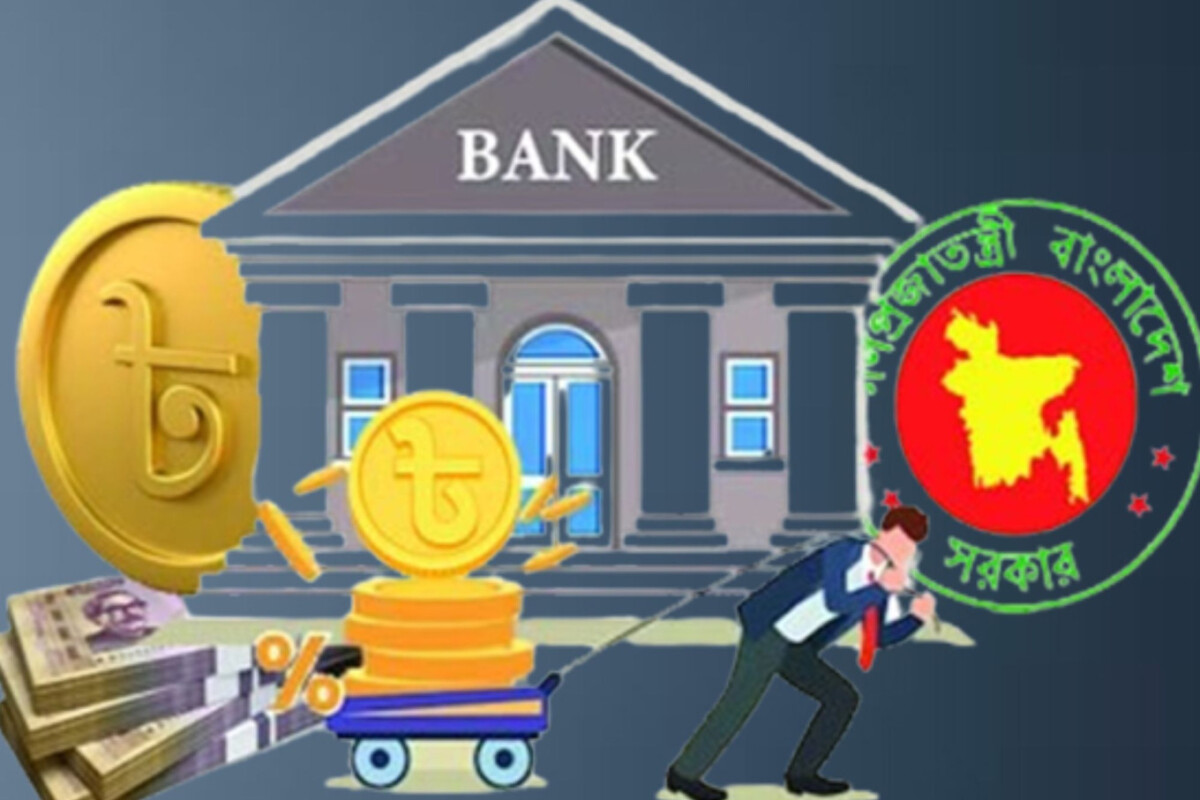
As 2026 approaches, Bangladesh finds itself at a pivotal juncture in both political and economic terms. Optimism surrounds the year under a democratic government, with expectations of a positive trajectory for the national economy. Simultaneously, the country faces the realities of transitioning from a Least Developed Country (LDC) status, alongside complex regional and global development challenges. Effective policy decisions in the coming months could bolster economic confidence and stability.
Professor Mostafizur Rahman, esteemed fellow at the Centre for Policy Dialogue (CPD), shared his outlook on Bangladesh’s economic prospects for 2026 in an exclusive interview with Jago News.
What is your perspective on 2026, especially in the context of democratic transition?
“2026 is a landmark year,” Professor Rahman remarked. “The country will undergo a democratic transition, which, if managed well, could signal a positive shift. Prolonged uncertainties—particularly regarding investment decisions and broader economic planning—may ease. A fair and transparent electoral process would create opportunities to advance key areas such as investment, employment generation, supply chain responsiveness, and inflation management.”
He added, “Reform processes have already begun, but unless these are implemented consistently and standardised further, the economy could face significant setbacks. Any laxity risks reverting to previous vulnerabilities, which is simply unacceptable.”
What economic changes might emerge under a new government?
“Once a new government is formed, there is a window to prioritise economic management without the immediate pressures of election politics,” Professor Rahman observed. “This is an opportunity to strengthen institutional capacity, reduce business costs, and enhance the international competitiveness of domestic industries. However, some longstanding challenges—particularly related to bureaucracy and regulatory efficiency—will persist and require sustained attention.”
Key areas of focus for 2026 can be summarised in the table below:
| Economic Priority | Expected Impact |
|---|---|
| Democratic transition | Increased investor confidence; stability in policy implementation |
| Banking sector development | Improved credit availability and financial inclusion |
| Employment generation | Reduction of unemployment and underemployment |
| Inflation control | Stabilisation of prices and consumer purchasing power |
| Institutional capacity building | Enhanced efficiency and governance in public and private sectors |
| Business competitiveness | Alignment with international standards; export growth |
| Supply chain resilience | Greater responsiveness to regional and global economic shifts |
As Bangladesh enters 2026, the banking sector is poised to emerge as a central agenda item, reflecting the broader need for economic stability and growth. Experts highlight that while political transitions offer opportunities, the real challenge lies in translating reforms into sustainable, long-term outcomes.



Comments