Sunday, 5th April 2026

Khabor Wala Desk
Published: 31st July 2025, 7:50 PM
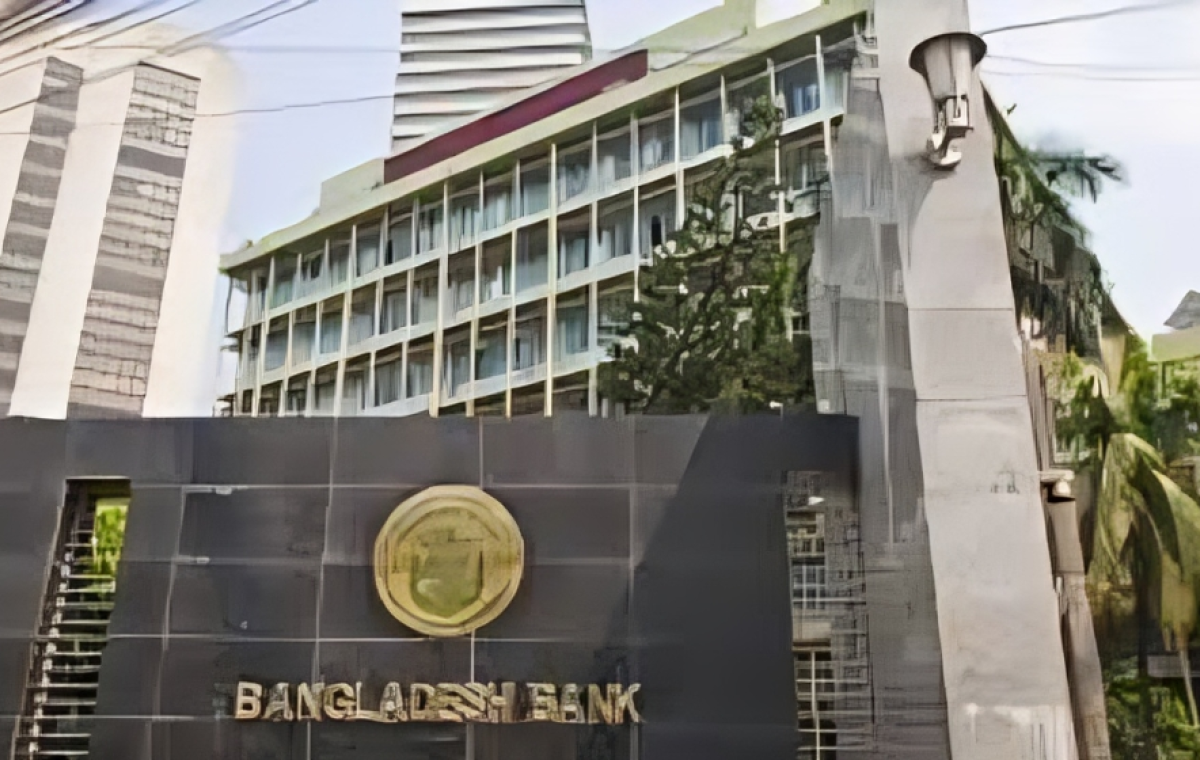
The Bangladesh Bank (BB) has announced the continuation of its tight monetary policy stance for the first half of fiscal year 2025–26 (H1FY26), aiming to contain inflation and anchor inflation expectations, according to a statement delivered by BB Governor Dr Ahsan H. Mansur at a press conference held at the central bank headquarters today.
Policy Rates & Outlook
| Instrument | Rate | Condition for Change |
| Policy Repo Rate | 10.0% | May be reduced if inflation falls below 7% |
| Standing Lending Facility (SLF) | 11.5% | Remains unchanged until further notice |
| Standing Deposit Facility (SDF) | 8.0% | Stable for now |
Governor Mansur stated that if inflation continues to decline, the policy rate may be gradually adjusted downward once it ensures a real rate of 3%, enabling policy flexibility while maintaining macroeconomic stability.
Key Objectives of the Monetary Policy Statement (MPS)
Global Economic Context
Dr Mansur warned of mounting risks in the global economic environment, which could adversely affect Bangladesh’s exports:
As such, global central banks may lean towards maintaining or reducing interest rates under current international economic conditions
Domestic Economic Conditions & BB’s Response
Upon assuming office in August 2024, the interim government inherited a macroeconomically challenging environment:
| Major Challenges | Status/Response |
| High inflation | Tackled through tight monetary policy |
| Depreciating exchange rate | Addressed via flexible market-based exchange rate regime |
| Shrinking foreign exchange reserves | Improved via current account surplus and reduced import bills |
| Rising external payment arrears | Being cleared as reserves stabilise |
| Tight liquidity conditions | Easing gradually with coordinated fiscal-monetary support |
| Lack of good governance in banking | Targeted by administrative and structural reforms |
| Elevated non-performing loans (NPLs) | Addressed with reforms and upcoming risk-based supervision (RBS) from Jan 2026 |
Exchange Rate Management
BB has transitioned to a fully flexible exchange rate regime since May 2025, which aims to:
| Measures for Exchange Stability | Details |
| Reference Rate Publication | Twice daily to guide interbank pricing |
| Market Intervention | To reduce excessive volatility |
| Policy Consistency | Exchange rate flexibility aligned with monetary and reserve management |
Banking Sector Reforms
To restore good governance and confidence in the banking sector, BB has undertaken extensive reforms:
Governor Mansur noted that headline inflation (point-to-point) has already begun to ease thanks to coordinated demand- and supply-side measures, while the Balance of Payments (BoP) has improved, helping to stabilise the exchange rate and contain imported inflation.
Fiscal Policy Alignment
Bangladesh Bank has aligned its monetary strategy with the government’s budgetary targets for FY26:
| Target Indicator | Goal for FY26 |
| GDP Growth | 5.5% |
| Inflation Ceiling | 6.5% |
The central bank remains committed to price stability, exchange rate resilience, and sustainable economic growth, while signalling flexibility in policy should external or domestic risks intensify.




Comments