Sunday, 5th April 2026

Khabor Wala Desk
Published: 4th April 2026, 4:07 AM
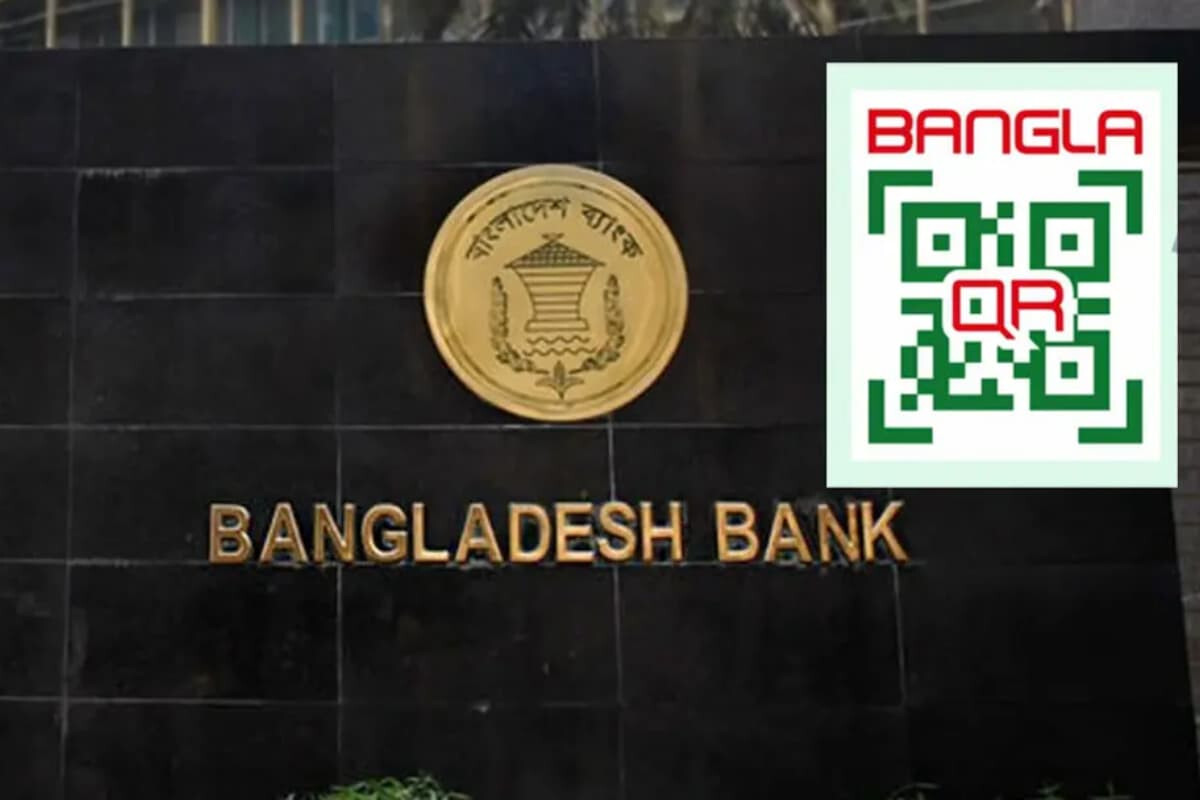
From July 2026, all merchant points across Bangladesh will be required to use the Bengali QR code for digital transactions, as per a new directive issued by Bangladesh Bank. Any transaction using alternative QR codes or proprietary digital payment systems will no longer be permitted.
The central bank has instructed all banks, mobile financial service (MFS) providers, and payment operators to implement the Bengali QR code nationwide. The move aims to create a standardised, interoperable digital payment ecosystem, reduce cash dependency, and simplify transactions for merchants and consumers alike.
According to the directive, by 30 June 2026, all merchant outlets must replace existing QR codes with the Bengali QR code. The guidelines also emphasise resolving technical issues and ensuring interoperability across different payment platforms to guarantee smooth and seamless transactions.
Mostak Ahmed, Governor of Bangladesh Bank, explained that mandatory adoption of the Bengali QR code is a key step to encourage online transactions and reduce reliance on cash in everyday commerce. The notification, issued on 1 April, warns that any merchant operating transactions without the Bengali QR code will face cancellation of their QR licence.
Currently, several leading MFS providers operate proprietary QR codes at over one million merchant points nationwide. Transitioning these to the Bengali QR system will involve both time and financial investment.
| Key Information | Details |
|---|---|
| Effective Date | July 2026 |
| Transition Deadline | 30 June 2026 |
| Coverage | All merchant points in Bangladesh |
| Responsible Entities | Banks, MFS providers, transaction operators |
| Existing QR Coverage | Over 1,000,000 merchant points |
| Pilot Launch | January 2023 (1,200 small businesses) |
| Enforcement | Non-compliance leads to QR licence revocation |
The Bengali QR code was initially piloted in January 2023, covering 1,200 small businesses. The pilot faced challenges, but the central bank has now decided to enforce nationwide adoption, making the code mandatory for all digital transactions.
Industry analysts note that the unified QR system will require MFS providers to share transaction volumes and revenues, a process some companies may initially resist. They suggest that targeted incentives could help facilitate smoother adoption.
Bangladesh Bank has underscored that failure to comply with the new regulations will result in legal action. The nationwide rollout of the Bengali QR code is expected to significantly streamline digital payments and reinforce the country’s move towards a cashless economy.




Comments