Monday, 6th April 2026

Khabor Wala Desk
Published: 30th December 2025, 2:25 AM
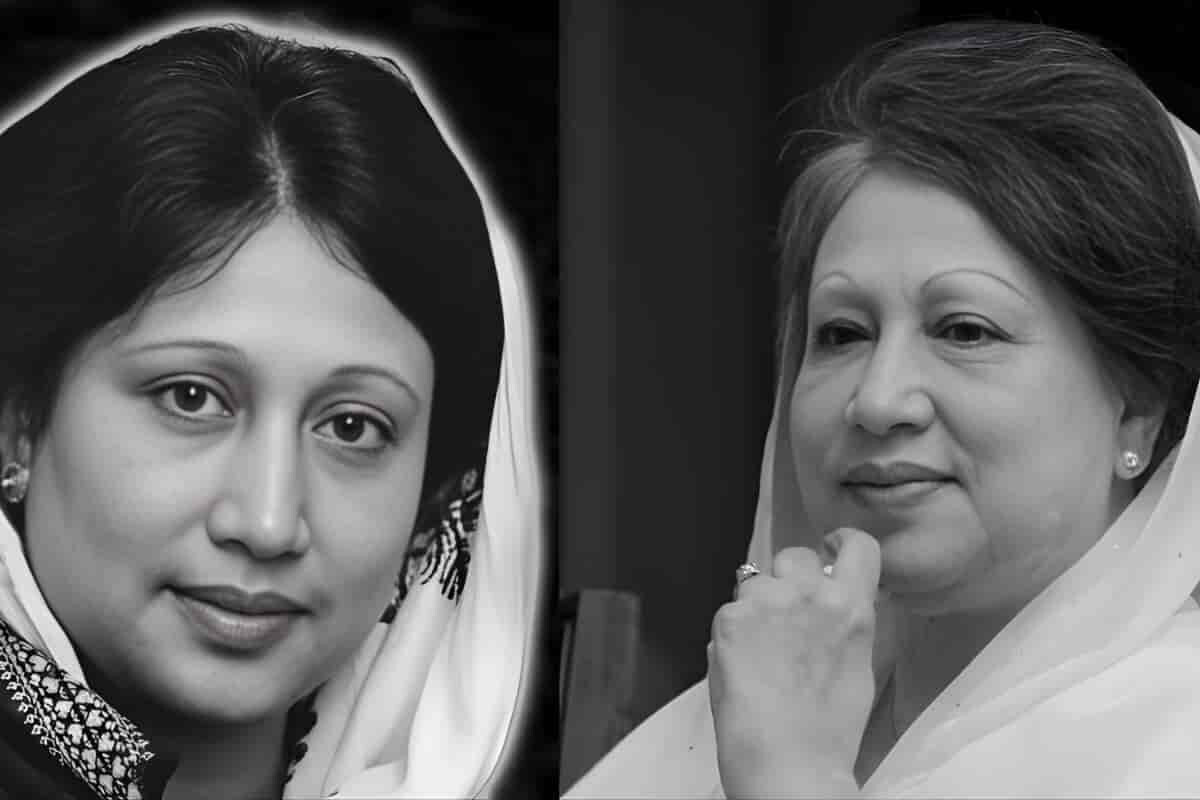
Bangladesh Nationalist Party (BNP) Chairperson and former Prime Minister Begum Khaleda Zia passed away early this morning while receiving treatment at Evercare Hospital in Dhaka. She was 80. According to a statement posted on the BNP’s verified social media page, she breathed her last at around 6:00 am, shortly after the Fajr prayer. The news was subsequently confirmed by BNP Secretary General Mirza Fakhrul Islam Alamgir, bringing an end to one of the most influential and contested political lives in Bangladesh’s modern history.
Khaleda Zia had been admitted to Evercare Hospital on 23 November on the advice of a medical board after being diagnosed with infections affecting her heart and lungs, alongside pneumonia. In recent years, she had been battling multiple chronic ailments, including cardiac disease, liver and kidney complications, diabetes, respiratory problems, arthritis, and eye-related conditions. She lived with a permanent pacemaker and had previously undergone cardiac stenting. Since her return from London on 6 May, following advanced medical treatment abroad, she had been undergoing regular check-ups at the same hospital.
Born in 1945 in Jalpaiguri, Khaleda Zia—affectionately known in her family as “Putul”—received her early education in Dinajpur. She married Ziaur Rahman, then a captain in the Pakistan Army, in 1960. Following Bangladesh’s Liberation War in 1971, Ziaur Rahman emerged as a key national figure and later became president. His assassination in 1981 plunged the BNP into uncertainty, paving the way for Khaleda Zia’s unexpected entry into politics.
Initially a political outsider, she rose rapidly within the BNP, becoming its chairperson in 1984. Her leadership proved decisive during the mass movement against the military regime of Hussain Muhammad Ershad. Despite repeated detentions and restrictions on her movement, she earned a reputation as an uncompromising leader.
Khaleda Zia made history in 1991 by becoming Bangladesh’s first female prime minister through a popular vote. Her government restored the parliamentary system and later played a central role in institutionalising the caretaker government mechanism to ensure credible elections. She served three terms as prime minister and was also Leader of the Opposition during periods of political transition.
Her later years were marked by prolonged legal battles, imprisonment, and serious illness. Convicted in corruption cases in 2018, she was temporarily released in 2020 on humanitarian grounds during the coronavirus pandemic. Earlier this year, she received a full presidential pardon, formally ending her legal constraints.
She is survived by her elder son, Tarique Rahman—who returned to Bangladesh in December after 17 years in exile—his wife, and their daughter. Her younger son, Arafat Rahman Koko, passed away in Malaysia several years ago.
| Year | Event |
|---|---|
| 1945 | Born in Jalpaiguri |
| 1960 | Married Ziaur Rahman |
| 1984 | Became BNP Chairperson |
| 1991 | Sworn in as first female Prime Minister |
| 1996 | Handed power to caretaker government |
| 2001 | Became Prime Minister for third term |
| 2018 | Imprisoned in corruption cases |
| 2020 | Temporarily released on humanitarian grounds |
| 2025 | Granted full presidential pardon |
| 2025 | Passed away in Dhaka |
Khaleda Zia’s death closes a defining chapter in Bangladesh’s political narrative, leaving behind a complex legacy of democratic struggle, governance, and enduring political rivalry.

Comments