Sunday, 5th April 2026

Khabor Wala Desk
Published: 17th October 2025, 5:43 AM
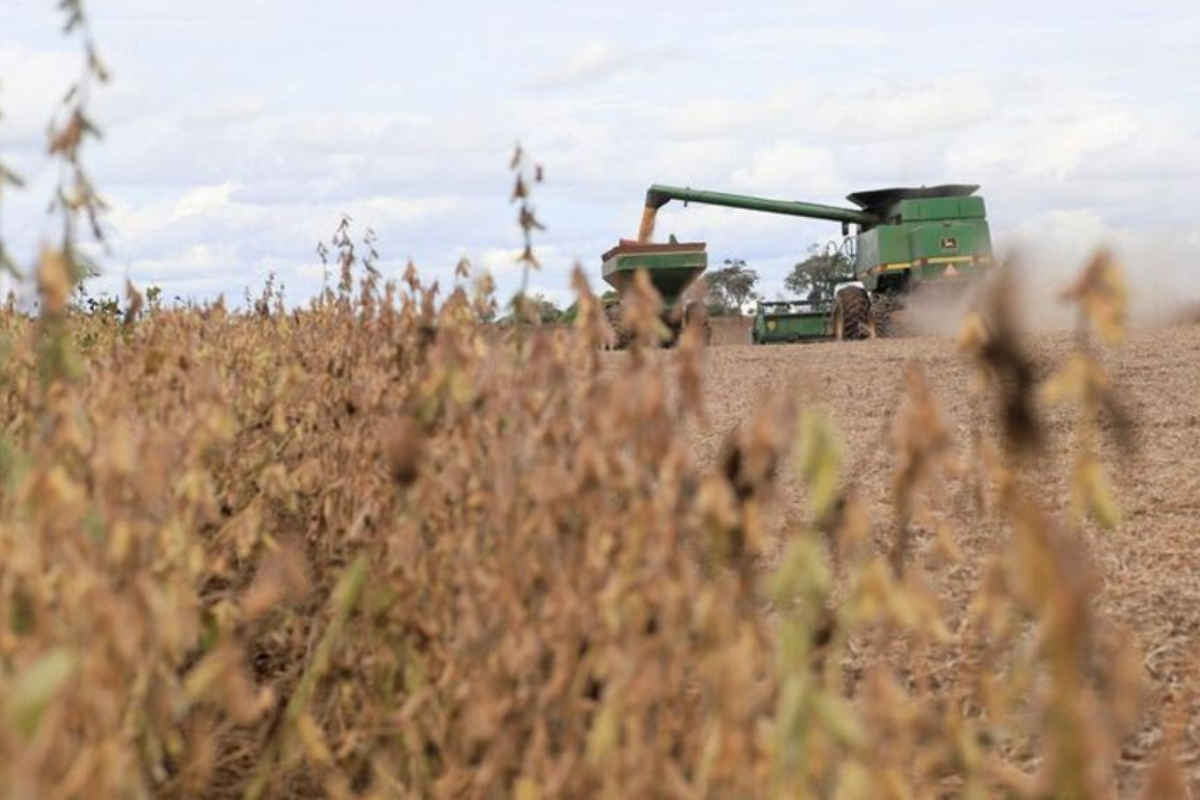
In the department of Santa Cruz, often called Bolivia’s breadbasket, weary farmers are pinning their hopes on a change of government to end the crippling fuel shortages that have paralysed their industry and the wider economy. They believe their sector could once again become the engine of national recovery—if only the fuel begins to flow again.
Across the region, snaking queues of cars and lorries have become a familiar sight at petrol stations in the dollar-starved South American nation, where farmers are forced to purchase fuel from the black market at exorbitant rates just to keep their machinery running.
On Sunday, two right-wing presidential candidates will contest a runoff election, seeking to end two decades of socialist rule in a country of nearly 12 million people.
“I’ve been here since last night. I had to sleep in the car,” said Diego Mercado, a 39-year-old dairy farmer from Santa Cruz, who travelled 70 kilometres (43 miles) from his farm in search of petrol.
While he can afford to wait in the queue for hours, he added, “the cows don’t wait.”
To ensure enough fuel for the tractor he uses to feed his livestock, Mercado said he is forced to buy from black market sellers, even though “it costs three times as much.”
For years, oil and natural gas formed the backbone of Bolivia’s economy, driving a decade of robust growth under former president Evo Morales between 2006 and 2014. But as successive governments failed to invest in the energy sector, production plummeted, cutting off a vital stream of foreign currency revenue.
In August’s first-round vote, crisis-fatigued citizens rejected the socialist MAS party, founded by Morales and now blamed for the country’s foreign currency shortages, fuel and food scarcity, economic stagnation, and spiralling inflation.
Now, two right-wing contenders are battling for the presidency:
Both have pledged to reform the fuel subsidy programme, maintaining subsidies only for public transport and vulnerable economic sectors such as agriculture.
“I have confidence in Tuto. He said he will bring back the dollars and the fuel,” said Edwin Cortes, a 45-year-old cattle farmer, as he waited in the same Santa Cruz petrol queue as his colleague Mercado.
The farmers of Santa Cruz produce 60 per cent of Bolivia’s beef and nearly 90 per cent of its soybeans — making the region indispensable to the country’s food security and export economy.
Among them is Alejandro Díaz, a 44-year-old rancher who cultivates soy and sorghum and rears 3,600 head of cattle on his 4,000-hectare (9,900-acre) ranch, located about three hours from Santa Cruz city.
While overseeing the weighing of his bulls, Díaz told AFP that whoever wins the election “will have to take very strong shock measures” to restore economic stability.
A former president of the Fegasacruz farmers’ federation, Díaz hopes for an end to export quotas and greater access to international markets.
“Bolivia could triple its agricultural exports in five years and become an economic sector as important, if not more so, than the gas industry,” he said.
Like many others, Díaz admits he also relies on black-market diesel to sustain his operations.
The Anapo Association, representing 14,000 oilseed and wheat producers, shares this optimism. It believes that with government support, the agricultural sector could revive the economy and generate employment across the country.
Anapo’s president, Abraham Nogales, told AFP that such growth could be achieved “with respect for the environment.”
However, environmental experts have expressed alarm over the ecological cost of agricultural expansion.
“The main drivers of deforestation are livestock farming and agro-industrial crops like soybeans,” said Nataly Ascarrunz, a biologist and director of the Bolivian Institute for Forest Research (IBIF).
She noted that in the past year alone, more than 12.6 million hectares (31.1 million acres) of land were burned for land clearance in Bolivia — including nine million hectares (22.2 million acres) in Santa Cruz.
| Sector / Issue | Key Data / Insights |
| Population | Approximately 12 million |
| Key Region | Santa Cruz – Bolivia’s agricultural heartland |
| Main Economic Problems | Fuel shortages, foreign currency scarcity, inflation |
| Presidential Runoff Candidates | Jorge “Tuto” Quiroga (Libre Alliance) and Rodrigo Paz (Christian Democrats) |
| Agricultural Output (Santa Cruz) | 60% of Bolivia’s beef; 90% of its soybeans |
| Anapo Membership | 14,000 oilseed and wheat producers |
| Deforestation (2024) | 12.6 million hectares burned; 9 million in Santa Cruz alone |
| Black Market Fuel Cost | Up to three times the official price |
Farmers and economists alike view the upcoming election as a critical turning point for Bolivia’s future. The hope among Santa Cruz’s agricultural workers is simple yet urgent: that a new government will end the fuel shortages, restore investment, and unleash the full potential of the country’s vast farmlands—without sacrificing its fragile environment in the process.


Comments