Monday, 6th April 2026

Khabor Wala Desk
Published: 6th March 2026, 11:16 AM
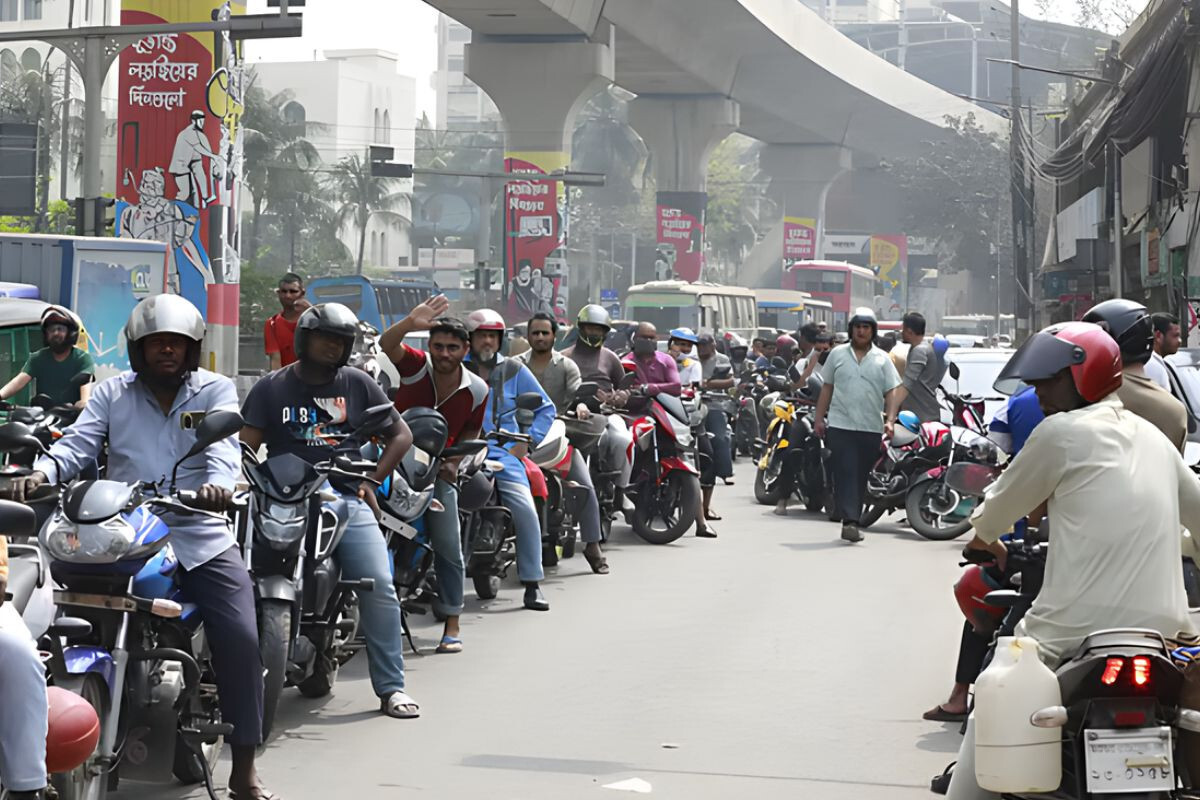
The Bangladesh Petroleum Corporation (BPC) has introduced daily fuel limits for vehicles following growing concerns over global supply disruptions. The move comes as tensions in the Middle East, particularly the ongoing conflict between the United States, Israel, and Iran, have reduced crude oil availability worldwide, sparking fears of a domestic fuel shortage.
Authorities observed that panic buying at fuel stations has surged, with many consumers attempting to stockpile petrol and diesel. In response, BPC issued a directive on Friday establishing maximum daily allocations for various types of vehicles.
| Vehicle Type | Fuel Type | Maximum Daily Allocation |
|---|---|---|
| Motorcycle | Petrol / Octane | 2 litres |
| Private Car | Petrol / Octane | 10 litres |
| SUV / Microbus | Petrol / Octane | 20–25 litres |
| Pickup / Local Bus | Diesel | 70–80 litres |
| Long-distance Bus / Truck / Covered Van / Container Truck | Diesel | 200–220 litres |
The directive highlighted that approximately 95% of Bangladesh’s fuel consumption relies on imports. Any disruption in the import schedule, exacerbated by negative reports in the media and social platforms regarding fuel stocks, can trigger surges in consumer demand. Some dealers have reportedly been attempting to collect excessive quantities from depots to meet this inflated demand.
BPC emphasised that all fuel purchases at filling stations must be accompanied by a receipt specifying the fuel type, quantity, and price. Consumers are required to present previous purchase receipts for subsequent purchases. Dealers are instructed to adhere strictly to allocations and to supply fuel only after reviewing current stock and entitlement data. At no point should fuel be dispensed beyond the allocated limits.
Officials reassured the public that regular imports continue, and temporary stock transfers via rail wagons and tankers from central depots are maintaining supply levels nationwide. Authorities expect that buffer stocks will stabilise the situation within a short period.
Despite these measures, crowded queues were observed at various fuel stations in Dhaka even on Friday. At the Poribag Meghna Model Service Center near Hotel Intercontinental, motorcycles and private cars formed long lines stretching beneath the Shahbagh Metro Rail. Conflicts and disputes among waiting riders were reported, with some minor scuffles occurring over queue positions.
One Uber driver, Nazmul Hasan, reported waiting approximately 50 minutes before filling his vehicle. He explained that he typically spends between 400–500 BDT daily on fuel, a necessity for sustaining his work. Many citizens echoed similar concerns, emphasising that their daily mobility depends heavily on regular fuel access.
With ongoing disruptions in the Strait of Hormuz and escalating regional conflicts, BPC’s measures aim to prevent panic buying and ensure that the country’s fuel distribution remains stable, reassuring the public that sufficient supplies are available.


Comments