Sunday, 5th April 2026

Khabor Wala Desk
Published: 27th July 2025, 1:33 PM
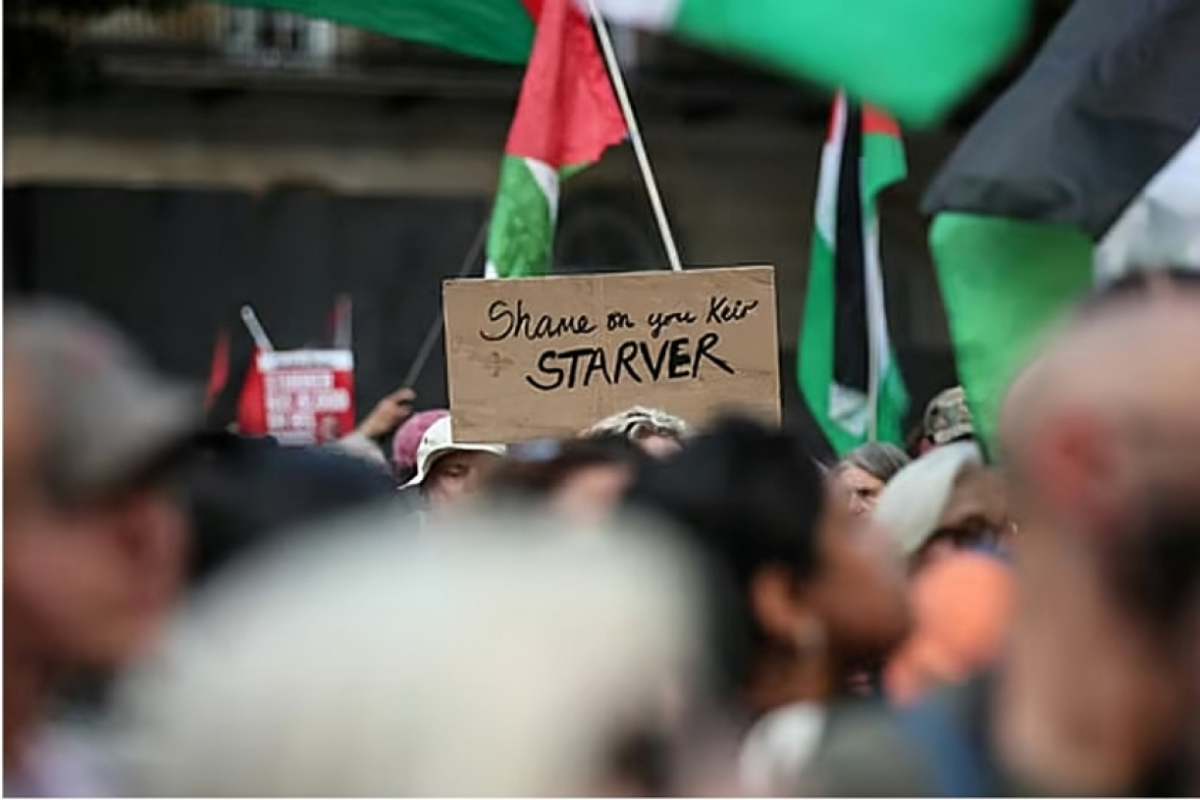
International pressure intensified on Saturday for alternative methods to deliver food to starving Palestinian civilians in Gaza, as the United Kingdom pledged support for airdrop operations.
The British government’s backing of airdrops, led by regional partners Jordan and the United Arab Emirates (UAE), coincided with a symbolic act of defiance by pro-Palestinian activists, who piloted an aid vessel toward Gaza’s coast in challenge of an Israeli naval blockade.
Meanwhile, the local civil defence agency in Gaza reported that at least 40 additional Palestinians had been killed in Israeli military operations and shootings.
Humanitarian Crisis Escalates
Despite widespread calls for increased humanitarian aid, experts and aid officials remain sceptical about the effectiveness of airdrops. Many insist that only a significant scale-up of overland aid convoys can meet the needs of Gaza’s more than two million residents.
Nevertheless, British Prime Minister Keir Starmer expressed support for the resumption of airdrops, committing to work with Jordan to restart air operations and with France and Germany on a broader peace initiative aimed at achieving a sustainable ceasefire.
Statements:
| Official | Statement |
| Keir Starmer (UK PM) | “The UK will take forward plans with partners such as Jordan to airdrop aid and evacuate children requiring medical help.” |
| Sheikh Abdullah bin Zayed Al Nahyan (UAE FM) | “The humanitarian situation in Gaza has reached a critical and unprecedented level. Airdrops are resuming once more, immediately.” |
An Israeli official told AFP that airdrop operations would soon resume, facilitated by both Jordan and the UAE.
Concerns Over Airdrop Effectiveness
The humanitarian sector has voiced strong concerns about the practicality and safety of airdrops. Philippe Lazzarini, head of the UN Relief and Works Agency (UNRWA), criticised the method:
“Airdrops will not reverse the deepening starvation. They are expensive, inefficient and can even kill starving civilians.”
Airdrop Limitations:
Israel imposed a total blockade on aid deliveries on 2 March following the breakdown of ceasefire negotiations. A minor relaxation in May allowed some aid trucks to enter, but humanitarian groups report continued road restrictions and stringent military controls on movement within Gaza.
Allegations and Conflicting Accounts
Israel maintains that it does not limit aid deliveries, alleging that UN agencies and NGOs are not collecting the supplies at the entry points. In contrast, relief organisations argue that Israeli forces impose excessive and dangerous constraints, making it impossible to operate safely and efficiently.
Gaza Humanitarian Foundation:
Naval Blockade Defied by Activists
The Freedom Flotilla, a pro-Palestinian activist group, announced that its aid boat, the Handala, was nearing Gaza and had progressed farther than its predecessor, the Madleen, which was intercepted by Israeli forces last month.
The Israeli military confirmed that it was monitoring the situation and prepared to enforce what it termed a “legal maritime security blockade.”
Civilian Deaths Mount
According to Gaza’s civil defence agency:
Eyewitness Account:
“The Israeli military opened fire while people were waiting to approach a distribution point near the Zikim area,” said Abu Samir Hamoudeh, 42.
The Israeli military responded that troops fired “warning shots to distance the crowd” after perceiving an immediate threat, and stated it was not aware of any casualties from the incident.
Due to media restrictions and limited access within Gaza, independent verification of casualty figures and specific incident details remains difficult.
Conflict Background and Toll
Israel launched its military campaign in Gaza following Hamas’s attack in October 2023, which resulted in the deaths of 1,219 people in Israel, mostly civilians (according to an AFP tally based on official figures).
Since then, 59,733 Palestinians have been killed in Gaza, the majority of them civilians, according to the Gaza Health Ministry, which is under Hamas administration.




Comments