Sunday, 5th April 2026

Khabor Wala Desk
Published: 8th February 2026, 5:00 AM
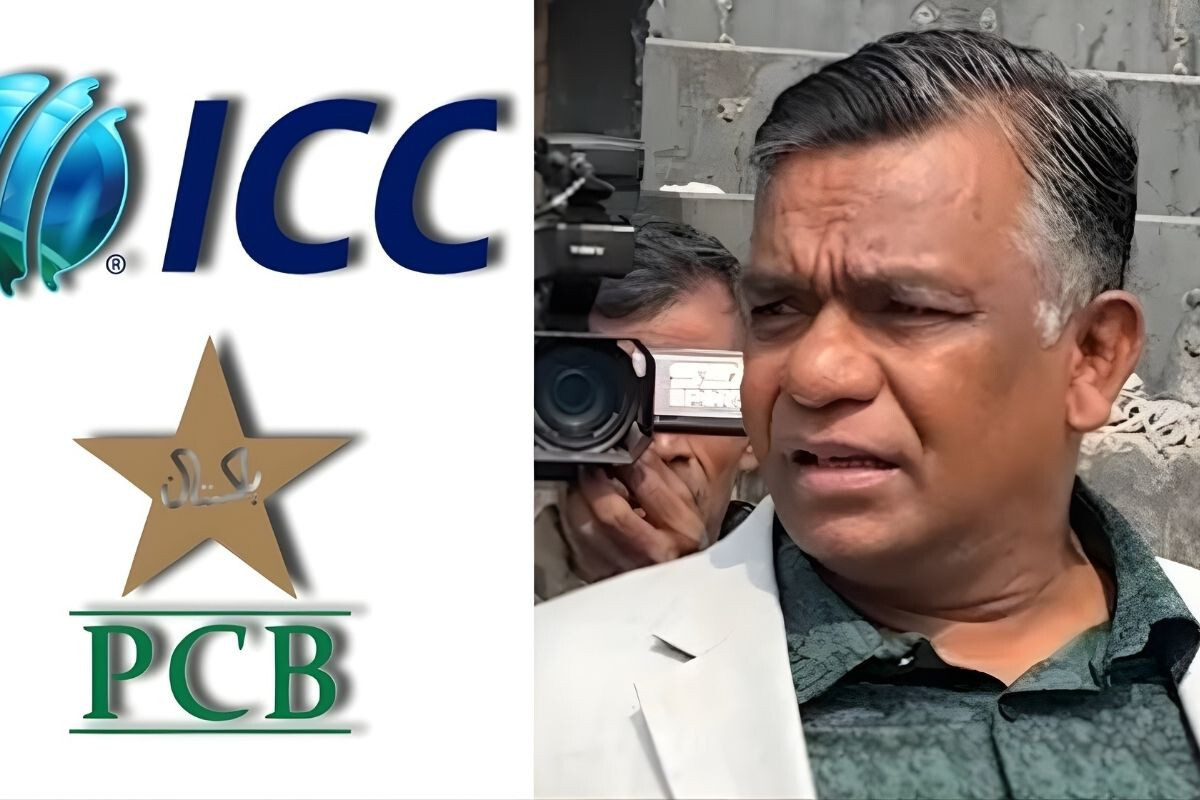
Bangladesh’s exclusion from the T20 World Cup following its refusal to play in India has sparked a series of high-stakes discussions among cricketing authorities. Earlier, Bangladesh had proposed relocating its World Cup fixtures to Sri Lanka, but the International Cricket Council (ICC) rejected this proposal. Consequently, Scotland was awarded Bangladesh’s spot in the tournament.
In the wake of this decision, the situation has taken a diplomatic turn. Expressing solidarity with Bangladesh, the Pakistan Cricket Board (PCB) declared that it would refuse to play its scheduled match against India. The matter has prompted continuous communication between the ICC and PCB, culminating in an urgent meeting today involving the ICC, PCB, and Bangladesh Cricket Board (BCB).
To participate in these high-level discussions, BCB President Aminul Islam Bulbul departed Dhaka for Lahore at 1 a.m. on Sunday. The emergency meeting is expected to focus on the current scenario, recent ICC rulings, and potential pathways to mitigate the crisis. Bulbul is scheduled to return to Dhaka later this afternoon.
From the outset, PCB has criticised Bangladesh’s exclusion from the World Cup as unjust. PCB Chairman Mohsin Naqvi initially threatened a complete boycott of the tournament. Subsequently, the Pakistani government confirmed that, as a symbolic gesture of support for Bangladesh, Pakistan would not face India in their scheduled fixture.
The India–Pakistan match carries significant financial stakes for all parties involved. Analysts estimate that if Pakistan withdraws from the match, the ICC could face losses of at least ₹6,000 crore. This financial dimension underscores why the ICC is keen to ensure that the match proceeds as planned. Cricket insiders suggest that the governing body is pursuing every possible measure to safeguard its revenue, even as the political and ethical dimensions of the dispute unfold.
The situation remains fluid, with global cricket watchers monitoring developments closely. The ICC’s ability to balance its commercial interests with the growing solidarity among Asian cricketing nations could set a precedent for how geopolitics intersects with international sport in the coming years.
| Key Stakeholders | Position / Action | Notes |
|---|---|---|
| Bangladesh Cricket Board (BCB) | Excluded from T20 World Cup | Proposed relocating matches to Sri Lanka; proposal rejected by ICC |
| Pakistan Cricket Board (PCB) | Refuses to play India | Expressed solidarity with Bangladesh; initial boycott threat |
| International Cricket Council (ICC) | Emergency talks with PCB & BCB | Keen to ensure India–Pakistan match proceeds; financial stakes significant |
| Scotland | Replaces Bangladesh in World Cup | Awarded spot after ICC rejected relocation proposal |
| Pakistan Government | Supports PCB decision | Symbolic solidarity with Bangladesh |
The coming days will likely determine whether the ICC can navigate both the political sensitivities and the enormous commercial pressures surrounding the tournament, or if the dispute will escalate further.


Comments