Monday, 6th April 2026

Khabor Wala Desk
Published: 23rd February 2026, 1:45 PM
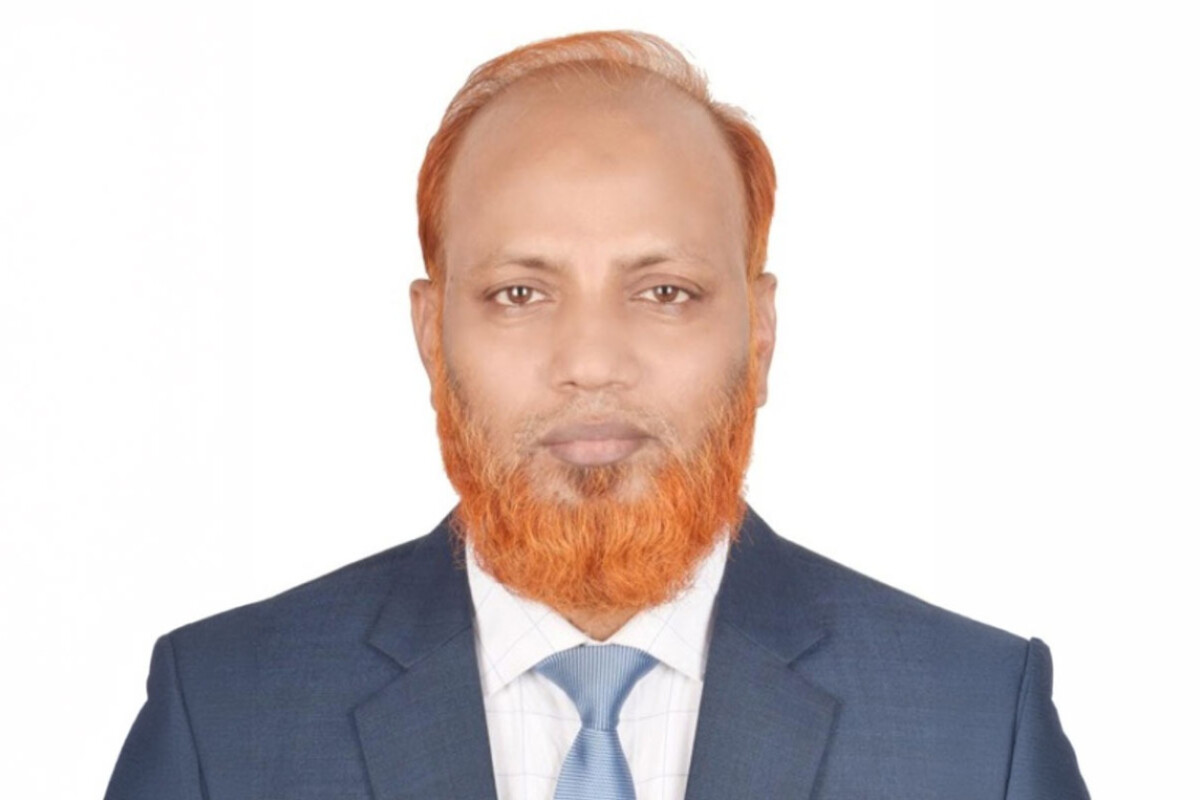
Kurigram Agricultural University has found itself at the centre of an intensifying controversy, as sections of its academic community and local stakeholders demand the resignation of its Vice-Chancellor, Professor Dr Md Rashedul Islam.
Dr Islam assumed office on 2 December 2024, shortly after the political transition that followed the July movement. Prior to his appointment, he served as Professor and Chairman of the Department of Entomology at Sher-e-Bangla Agricultural University, where he built his academic career in agricultural sciences.
However, his appointment has sparked debate from the outset. Critics allege that it was influenced by political considerations rather than solely by academic merit and administrative seniority. Some members of the university community have claimed that he was appointed with the backing of individuals sympathetic to Bangladesh Jamaat-e-Islami, an allegation that has further fuelled tensions on campus.
A group of teachers, students and local residents have voiced concerns over what they describe as a deterioration in campus stability and security since the change in leadership. They argue that the overall academic environment has become unsettled and that ideological divisions have deepened.
The principal allegations can be summarised as follows:
| Issue Raised | Description of Concern |
|---|---|
| Appointment Process | Claims of political influence and alleged violation of established seniority norms |
| Campus Environment | Reports of increased tension and instability following administrative changes |
| Governance Practices | Allegations of favouritism in academic and administrative appointments |
| Security Concerns | Fears expressed by some stakeholders regarding campus safety |
Opponents of the Vice-Chancellor assert that, during the tenure of the previous interim administration led by Muhammad Yunus, appointments to senior university posts across the country may have deviated from conventional guidelines, including seniority considerations. They argue that junior faculty members were elevated to vice-chancellorships on political grounds, potentially undermining institutional norms.
Some critics have gone further, alleging that recent recruitment and administrative decisions risk politicising the academic environment. They warn that universities must remain spaces for free inquiry, research and intellectual diversity rather than arenas for partisan contestation.
Higher education institutions in Bangladesh have long been sensitive to political shifts, with changes in government often accompanied by corresponding changes in university leadership. Analysts note that such transitions can generate instability unless managed transparently and in accordance with established regulations.
At present, no formal inquiry has been publicly announced regarding the allegations. Supporters of the Vice-Chancellor have maintained that he is a qualified academic with substantial administrative experience and that accusations against him are politically motivated.
As tensions continue, calls for dialogue and an impartial review process are growing louder. Many within the academic community emphasise that restoring confidence will require transparency, adherence to university statutes, and a renewed commitment to academic integrity.
Whether Professor Dr Md Rashedul Islam will remain in office or face mounting pressure to resign may ultimately depend on the outcome of institutional and governmental deliberations in the weeks ahead.


Comments