Sunday, 5th April 2026

Khabor Wala Desk
Published: 22nd December 2025, 11:16 AM
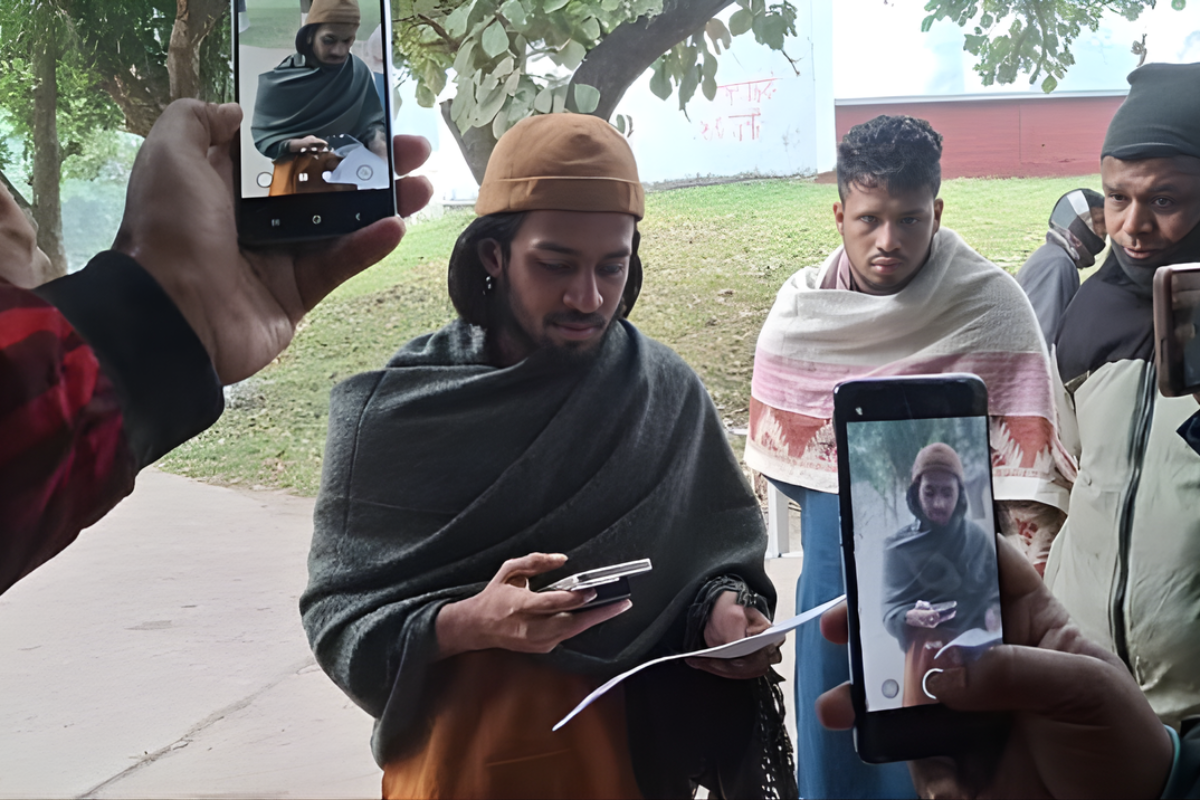
A fresh controversy has erupted at the University of Rajshahi following allegations by the university unit of the Jatiyatabadi Chhatra Dal that the recent conduct of Salahuddin Ammar, General Secretary of the Rajshahi University Central Students’ Union (RUCSU), amounts to behaviour akin to terrorist activity. The student organisation claims that Ammar’s statements and actions have gravely disrupted the academic atmosphere and are part of a deliberate attempt by vested interests to plunge the campus into disorder.
The allegations were set out in a written statement issued to the media on Sunday night, signed by Siam Bin Ayyub, Assistant Office Secretary of the university unit of Chhatra Dal. The statement argues that the standards of restraint, responsibility and decorum expected of an elected student leader have been repeatedly violated. Instead, Ammar’s rhetoric and conduct are described as inflammatory, threatening and wholly incompatible with the ethos of a centre of higher learning.
According to university sources, the controversy began last Thursday when Ammar posted messages on his personal Facebook account and in a group titled “Rajshahi University Parliament”. In those posts, he reportedly issued an ultimatum demanding the resignation of several deans described as aligned with the ruling Awami League. He further warned that if any of the deans were seen occupying their chairs, they would face abusive remarks and unspecified consequences, using language such as “you will be shown the rest”. The following day, his remarks reportedly escalated further, with threats that teachers or officials accused of supporting “Awami fascism” would be tied up in front of the administrative building if they continued in their posts.
In its statement, Chhatra Dal characterised these remarks as explicit threats directed at teachers, officers and employees, calling them unbecoming of a student leader and contrary to the peaceful academic environment of the university. The organisation argued that repeated instances of aggressive and menacing behaviour towards teachers reflect a mindset rooted in coercion and intimidation rather than democratic dissent.
The statement also condemned the revival of what it termed a “padlocking culture” on campus, noting that such practices evoke memories of authoritarian periods in the past. It recalled earlier incidents in which senior officials, including a former pro-vice-chancellor, were humiliated following provocative actions—episodes described as a dark chapter in the university’s history. Referring to the legacy of martyr intellectual Dr Shamsuzzoha, Chhatra Dal warned that any calculated attempt to insult or assault teachers at this historic institution would be resisted firmly by its activists.
At the same time, student leaders stressed that if credible evidence exists against anyone accused of being collaborators of authoritarianism, action should be pursued strictly through existing legal channels. They alleged that, in the post-uprising period, some individuals operating under the banner of “coordinators” are attempting to establish a culture of intimidation on campus. The organisation demanded exemplary punishment for anyone seeking to destabilise the university through baseless accusations and threats.
University unit president Sultan Ahmed Rahi and general secretary Sardar Jahurul Islam jointly stated that threats and aggressive conduct towards teachers and staff pose a serious danger to the academic environment and are unacceptable from any student leader.
Meanwhile, on the same morning, Ammar led a programme demanding the resignation of deans from six faculties. He staged a sit-in in front of the RUCSU building, telephoned the concerned deans in the presence of journalists, and later a group of students padlocked several offices at the Deans’ Complex and the administrative building. The locks were eventually removed following assurances from the university administration.


Comments