Sunday, 5th April 2026

Khabor Wala Desk
Published: 19th August 2025, 9:03 AM
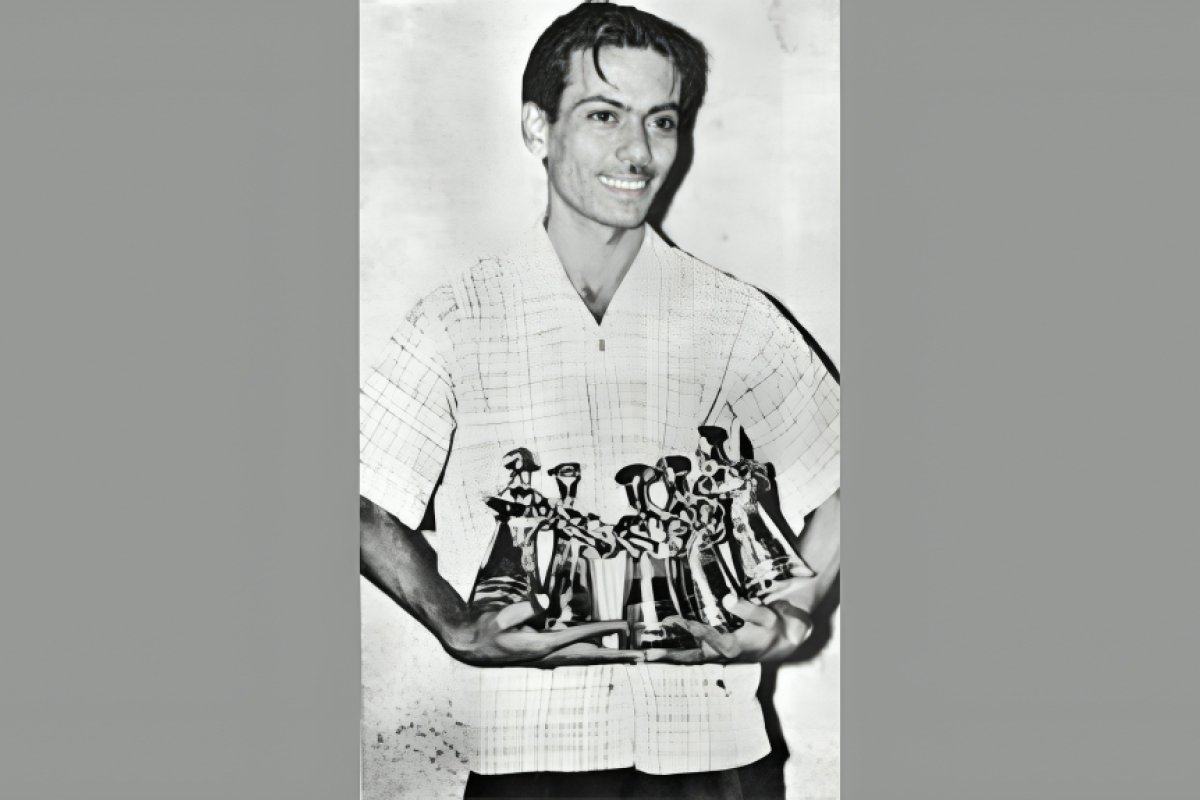
Today, 19 August, marks the birth anniversary of Zahir Raihan, one of the most eminent figures in Bangladeshi cinema.
Zahir Raihan began his journey as a journalist, wielding his pen to express love for humanity and patriotism. Drawing upon the history and heritage of the Bengali people, he created timeless cinematic works such as Hajar Bochor Dhore, Somoyer Proyojone, Jibon Theke Neya, and Stop Genocide. He was also a pioneering force in documentary filmmaking, setting the path for future generations.
Born on 19 August 1935 in Majupur village of Feni, Raihan moved with his family from Kolkata to East Pakistan after the partition of India. He completed his undergraduate studies in Bengali at Dhaka University, where he simultaneously pursued literature and journalism. In 1950, he joined the newspaper Juger Alo as a journalist, later contributing to publications such as Khapchhara, Yantrik, and Cinema. His first short story collection, Surjogrohon, was published in 1955.
Raihan began his cinematic career in 1957 as an assistant director, and made his directorial debut in 1961 with Kakhono Asheni. In 1964, he directed Sangam, Pakistan’s first colour film, followed by Bahana in 1965, the country’s first cinemascope film. Many of his films portrayed the spirit of the Bengali language movement, leaving a revolutionary imprint on the industry.
During the 1971 Liberation War, Raihan stayed in Kolkata, campaigning for Bangladesh’s independence and producing documentaries to support the cause. Despite financial constraints, he donated all proceeds from film screenings to the freedom fighters’ fund. His work earned admiration from legendary filmmakers such as Satyajit Ray, Mrinal Sen, Tapan Sinha, and Ritwik Ghatak.
Following Bangladesh’s independence, in January 1972, Raihan went to Mirpur in search of his missing brother, Shahidullah Kaiser, and never returned. It is believed he was killed by Al-Badar forces and Bihari collaborators.
Raihan married twice: first in 1961 to Sumita Devi and then in 1966 to Suchanda. He left behind children and a lasting legacy in both marriages. His niece, Shami Kaiser, remains a well-known figure in Bangladesh’s cultural scene.
Through his dedication to cinema and literature, Zahir Raihan remains immortal. His creative works and sacrifices continue to be an invaluable treasure for the Bengali nation.
| Details | Information |
| Birth | 19 August 1935, Majupur, Feni |
| Education | BA in Bengali, Dhaka University |
| Debut as Director | Kakhono Asheni (1961) |
| Landmark Films | Sangam (1964), Bahana (1965), Jibon Theke Neya |
| Contributions | Journalism, Cinema, Documentaries, Language Movement |
| Disappearance | January 1972, Mirpur, post-independence |
| Marriages | Sumita Devi (1961), Suchanda (1966) |
| Legacy | Immortal figure in Bangladeshi cinema and literature |
Zahir Raihan’s vision, creativity, and sacrifice have left an indelible mark on Bangladeshi culture, inspiring generations of artists, writers, and filmmakers.



Comments