Monday, 6th April 2026

Khabor Wala Desk
Published: 23rd February 2026, 11:55 AM
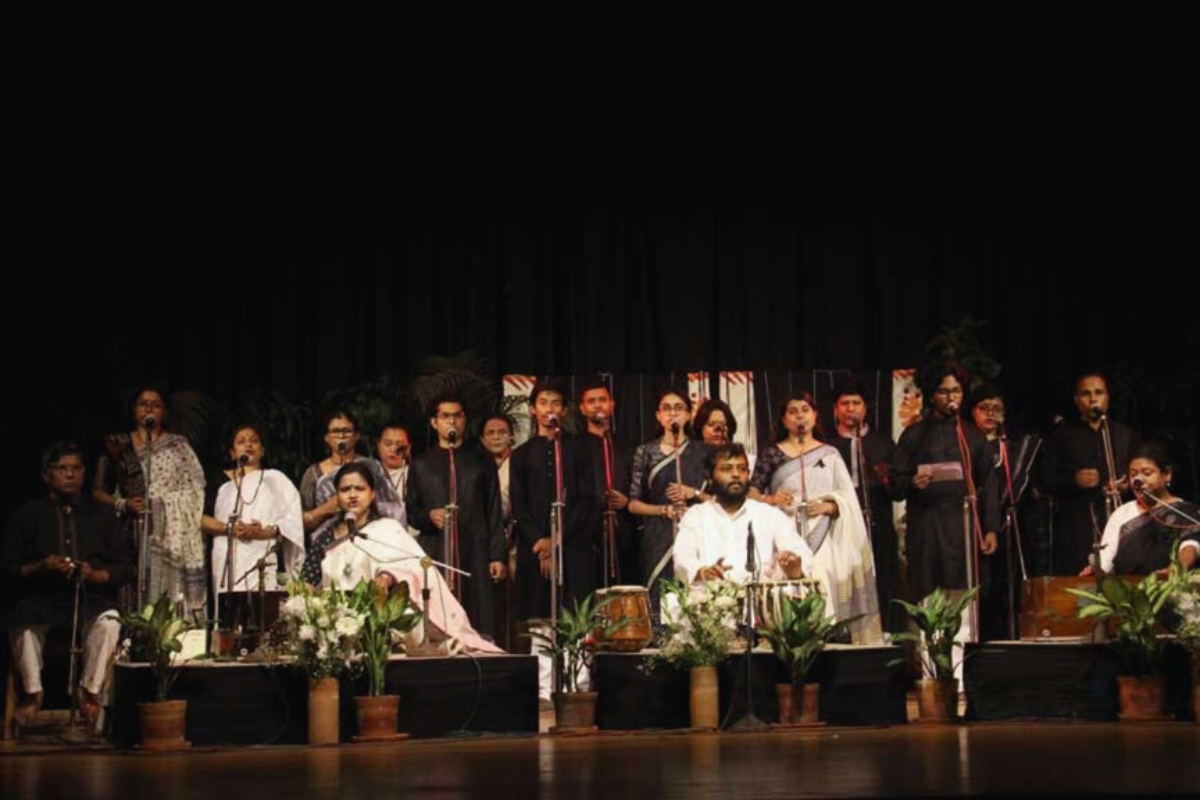
Dhaka: The Chhayanaut Cultural Centre marked International Mother Language Day with an elaborate and emotive morning of song, poetry, and patriotic reflection on Saturday, blending solemn remembrance with a vibrant celebration of Bengali cultural heritage. The event commenced at 10:30am in the centre’s Dhanmondi auditorium, drawing an engaged audience of artists, cultural enthusiasts, and members of the public.
Addressing attendees, Chhayanaut President Sarwar Ali reflected on the enduring significance of the 1952 Language Movement. “The seeds of a secular and inclusive state were sown through the Language Movement, paving the way for our liberation in 1971,” he said. He emphasised the nation’s debt to the martyrs of 1952, whose sacrifices allowed Bengalis to assert their identity with dignity and pride.
Sarwar underscored the link between language and national identity, noting that “a nation is defined by its language, and its way of life finds expression through culture—a discipline to which Chhayanaut remains devoted.” He cautioned that any language not preserved in print risks extinction and hailed the richness of Bengali as a medium that fosters creativity, thought, and cultural continuity. On the theme of nationalism, he observed that language transcends religious divisions, uniting people across faiths.
Highlighting Chhayanaut’s historical legacy, Sarwar reminded the audience that many participants of the 1952 Language Movement were instrumental in establishing the organisation in the 1960s. “If Ekushey is forgotten, the events of 1971 are obscured; if 1971 is ignored, Bengali national identity cannot endure. This is why 21st February holds supreme significance in Bengali life,” he asserted.
The programme opened with a choral performance of Nazim Mahmud’s iconic song Amader Chetanar Soikote, setting a reflective yet uplifting tone. Subsequent performances blended music and recitation, honouring both historic memory and artistic excellence.
| Performer | Composition | Composer/Author |
|---|---|---|
| Chhayanaut Choir | Amader Chetanar Soikote | Nazim Mahmud |
| Susmita Debnath Shuchi | Moder Gorob Moder Asha | Atulprasad Sen |
| Iffat Binte Nazir | Nishidin Bhorsha Rakhis | Rabindranath Tagore |
| Dhruba Sarkar | Salam Salam Hajar Salam | Fazal-e-Khuda |
| Priyantu Deb | Opomane Tumi Jwole Utthechile | Abu Hena Mostafa Kamal |
| Aishwarya Samaddar | O Amar Ei Bangla Bhasha | Abdul Latif |
| Mohit Khan | Mago Dhonyo Holo | SM Hedayet |
| Nusrat Jahan Runa | Amay Gnethe Dao Na Mago | Nazrul Islam Babu |
| Arnab Barua | Mago At-i Phalguner Kotha | Abdul Latif |
| Farzana Afrin Eva | Amar Desher Moton Emon | – |
| Suman Majumder | Bhebo Nago Ma Tomar Chhelera | Mostafizur Rahman |
| Dalia Ahmed & Dewan Saidul Hassan | Matribhumir Jonyo & Ekushe February | Srijan Sen & Asim Saha |
The ceremony concluded with a collective rendition of Abdul Gaffar Chowdhury’s timeless anthem Amar Bhaier Rokte Rangano Ekushe February, followed by the national anthem Amar Sonar Bangla, leaving the audience with a deep sense of pride and reflection. Through music, poetry, and performance, Chhayanaut successfully reinforced the cultural and historical significance of Ekushey, ensuring that the spirit of the Language Movement continues to resonate with younger generations.
Comments