Sunday, 5th April 2026

Khaborwala Online Desk
Published: 25th March 2025, 8:16 PM
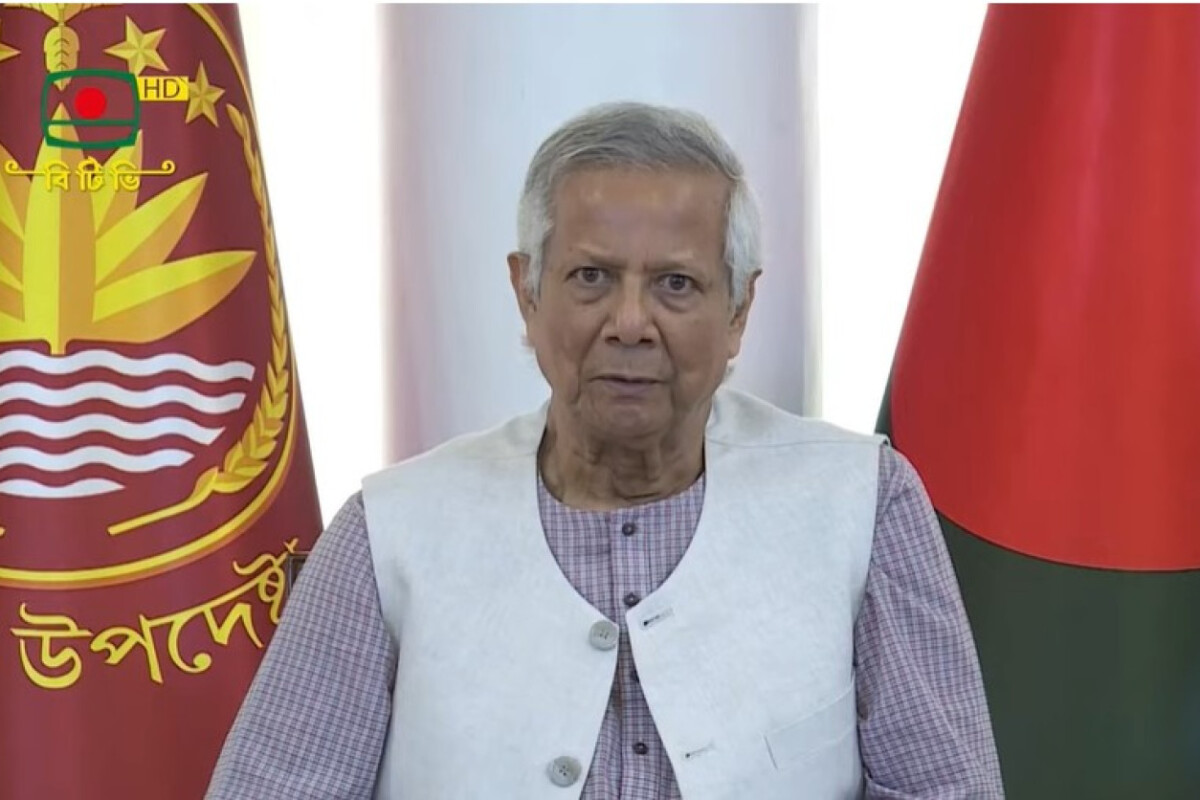
Chief Adviser Prof Muhammad Yunus today reaffirmed that the next general election will be held between December 2025 and June 2026, vowing to ensure it is the most credible and transparent vote in Bangladesh’s history.
Delivering a nationally televised address on the occasion of Independence Day and the upcoming Eid-ul-Fitr, Prof Yunus reiterated: “I have said before, and I say it again – the election will be held between December this year and June next year.”
The Chief Adviser emphasized the government’s commitment to a free, fair, and inclusive electoral process, noting that the Election Commission has already begun preparations.
“We want the upcoming election to be the most free, fair, and credible in Bangladesh’s history,” he said.
Prof Yunus also highlighted the ongoing work of the Consensus Commission, which is engaging political parties to find common ground. The results of these discussions will be compiled into a document titled the “July Charter,” to be signed by participating parties.
Inflation, Remittances, and Economic Turnaround
On the economic front, Prof Yunus said the government’s biggest challenge remains inflation, but positive signs are emerging.
“In February, inflation dropped to 9.32%, the lowest in 22 months. We expect it to fall below 8% by June,” he said.
He said that over 16 years, Sheikh Hasina oversaw a system of massive plundering that left the economy in crisis.
“When they fled amid a student and public uprising, they left behind a shattered economy,” he said.
Prof Yunus noted, the interim government has taken significant steps to restore economic stability:
“Our expatriate brothers and sisters have brought relief to the country’s devastated economy,” he said.
Crackdown on Corruption and Administrative Reforms
Prof Yunus made a strong case for rooting out corruption, warning that “business and development will not function if corruption persists.”
He blamed the previous authoritarian regime for taking corruption to the highest level in the world, which he said damaged the country’s international reputation and hurt trade.
“The entire world saw that, as a nation, we do not uphold honesty. It’s not just a matter of disgrace – it’s self-destructive,” he said.
To combat corruption, the interim government has planned a comprehensive digital governance initiative:
“As a result of removing police verification, about 70,000 delayed passports have already been delivered,” he said.
Prof Yunus said that the government’s goal is to build systems that prevent corruption not just now, but under future governments as well.



Comments